

Welcome to Lynn’s Design Blog


Author Tips Published Every Monday & Thursday
Read by Topic

Visualization for Authors: See It, Write It, Achieve It
Olympic athletes do it before every competition. Surgeons do it before complex procedures. Musicians do it before performances.
They visualize success in vivid, sensory detail—seeing, feeling, and experiencing their desired outcome before it happens in reality.
The result? Their brains create neural pathways that make the real performance feel familiar, practiced, and achievable.
Yet most authors never harness this scientifically-proven tool for their writing careers. We daydream about success, sure. We have vague fantasies about seeing our books in stores or getting that agent phone call.

Mastering Atmosphere: Writing Lessons from Robert Louis Stevenson's "The Body Snatcher"
Picture this: Two men on a dark road, driving a horse-drawn gig. Between them, wrapped in coarse sacking, sits a body they've just stolen from a grave.
Then one of them recognizes the corpse.
This is the heart of Robert Louis Stevenson's "The Body Snatcher"—and the moment that showcases his mastery of atmospheric writing.

Author Business Model: How to Create Multiple Revenue Streams Like Jan-Andrew Henderson
The genius lies in how Henderson transformed that authenticity into a brilliant business model that most authors only dream of achieving.
While most writers struggle to make a living from book sales alone, Henderson created something extraordinary: a business ecosystem where each element feeds and strengthens the others.
How to Be Generous Without Burning Out: Boundaries for Authors in a Gift Economy
I used to say yes to everything. I thought this was what generosity looked like. After all, hadn't I just embraced gift economy principles? Wasn't I supposed to give freely, trust in reciprocity, and build community through abundance thinking?
Then I hit a wall. Not a metaphorical wall—an actual, can't-get-out-of-bed, creative-energy-completely-depleted wall. I'd given so much that I had nothing left. Not for my clients who were actually paying me. Not for my own creative projects. Definitely not for myself.
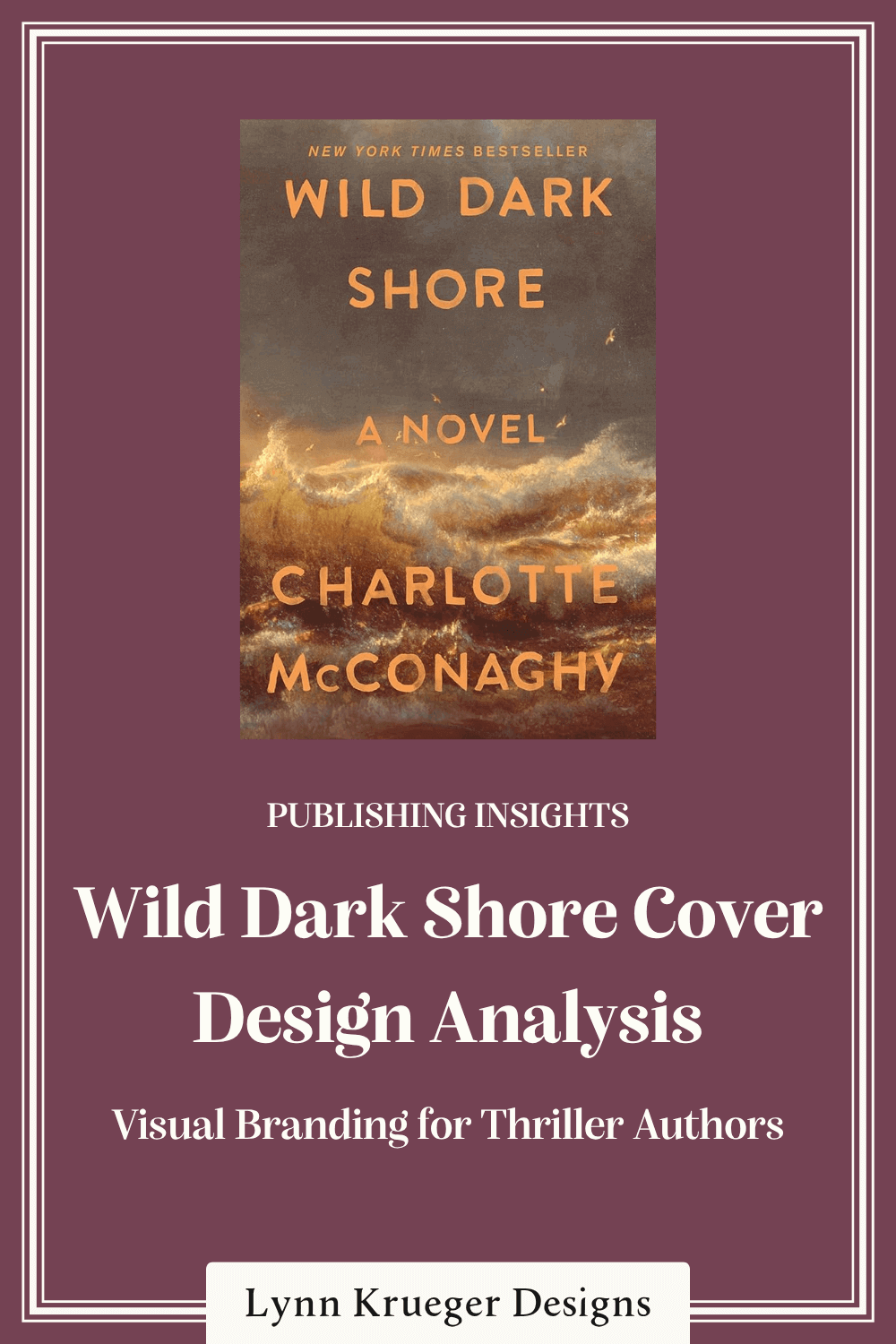
Wild Dark Shore Cover Design Analysis: Visual Branding for Thriller Authors
Your book cover has approximately three seconds to convince a browser to stop scrolling. That's it. Three seconds to communicate genre, tone, quality, and whether this book is "for them." Charlotte McConaghy's Wild Dark Shore cover nails those three seconds. The design is sophisticated, atmospheric, and immediately communicates "literary thriller with nature elements" without a single word.
Let Them Judge Your Genre
You probably make more than any of us, right? It must be nice to write something so commercial."
Suddenly, you're trapped between two equally frustrating responses.
The first treats your genre as inferior fluff that serious writers should outgrow. The second reduces it to a purely commercial calculation, as if the emotional complexity and craft skill that romance requires don't matter.

Affirmations for Authors: Stop the Inner Critic Once and For All
Meet your inner critic—the relentless voice that appointed itself editor-in-chief of your creative life without your permission.
Unlike constructive feedback that helps you improve, your inner critic specializes in wholesale destruction.
It doesn't offer solutions; it offers surrender.
It doesn't point out fixable problems; it questions your fundamental right to create.
For most authors, the inner critic isn't just an occasional visitor—it's a full-time resident that's taken over the spare room and refuses to pay rent.
But here's what years of working with authors has taught me: the inner critic's power comes from being unquestioned, not from being right.
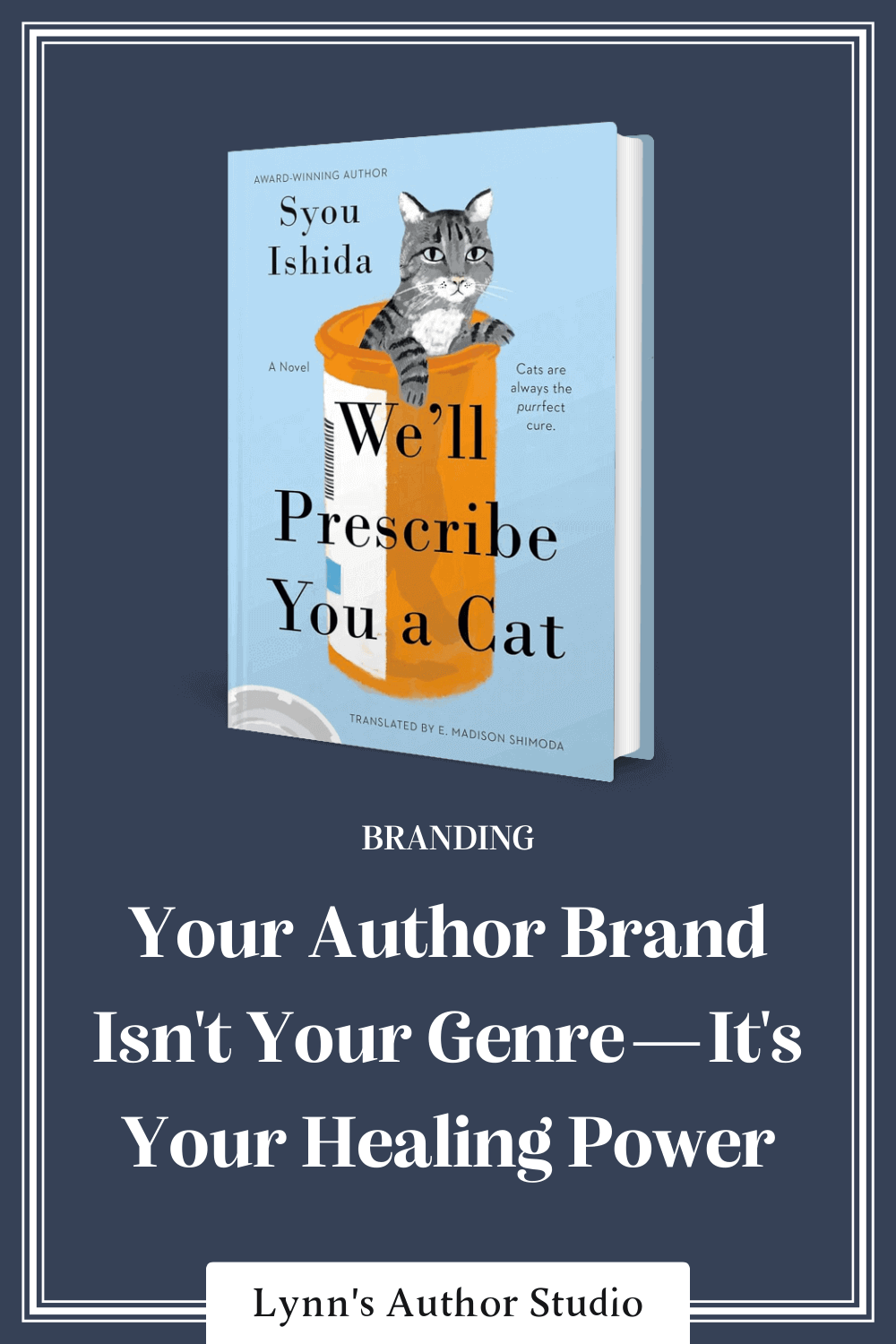
Your Author Brand Isn't Your Genre—It's Your Healing Power
Walk into any bookstore and you'll see the evidence everywhere. Author after author making the same critical error in their branding strategy. They think their genre equals their brand.
Climate Fiction Done Right: Marketing Lessons from Wild Dark Shore's Success
Wild Dark Shore tackles climate change head-on. Rising seas, seed vaults, environmental collapse—it's all there. Yet it became an instant bestseller, topped Amazon's 2025 list, and earned rave reviews from critics and readers across the political spectrum. How did Charlotte McConaghy write a climate-focused book that doesn't alienate readers or feel like a lecture?

The Reciprocity Loop: Why Authors Who Give Freely Become More Successful (Not Less)
We've been marinating in market economy thinking since childhood. We were told that value equals scarcity and sharing diminishes what we have. But when we apply market economy thinking to author communities, we miss the fundamental difference: creative work doesn't follow scarcity logic. Stories aren't a finite resource. Reader love doesn't get used up. And the most thriving author communities operate on principles that look nothing like competition.

How to Build Author Authenticity: The Jan-Andrew Henderson Case Study
You've heard the writing advice "write what you know" a thousand times.
But what happens when an author doesn't just write what they know—they become what they write about?
Meet Jan-Andrew Henderson, the author who didn't just research Edinburgh's most famous ghost story. He became Edinburgh's ghost story.
Let Them Compare Your Journey to Others
“Did you see that debut author who just got a six-figure deal? She's only twenty-five!"
Now you're not just feeling slow—you're feeling old, behind, invisible, and generally inadequate.
Every other author's success has somehow become evidence of your failure.
Robert Louis Stevenson's Author Brand: 5 Lessons for Modern Writers
The cobblestone closes of Edinburgh's Old Town twist through shadow even at midday. Walking these streets, you can almost hear the footsteps of grave robbers, the whispers of body snatchers doing their grim work under the cover of darkness. This is the Edinburgh that shaped Robert Louis Stevenson—and this is the Edinburgh that became inseparable from his author brand.
Is Wild Dark Shore a Thriller? How McConaghy Bends Genre Expectations
When readers pick up Charlotte McConaghy's Wild Dark Shore, they're not always sure what they're getting. The cover looks like a thriller. The premise—family isolated on remote island, secrets, danger—sounds like a thriller. But then you start reading, and something feels different. So what is this book, exactly?

Affirmations for Authors: Rewiring Your Brain for Writing Success
The difference between authors who thrive and those who burn out isn't talent, luck, or even persistence. It's the quality of their internal dialogue.
Here's what most authors don't realize: that critical voice in your head isn't providing helpful feedback. It's running outdated programming designed to keep you safe by keeping you small.
And every time you listen to it without questioning, you're reinforcing neural pathways that make creative success harder to achieve.
But here's the good news: you can literally rewire your brain for success.

Adding Uncommon Value: What Best-Selling Authors Do That Others Don't
Every author writes books. Most authors post on social media. Many send newsletters. These are expected behaviors—table stakes for being an author in today's publishing landscape. But world famous authors do something that keeps readers coming back between book releases, long after they've finished reading. They add uncommon value.

Multiple POV Done Right: Storytelling Techniques from Wild Dark Shore
Charlotte McConaghy makes a choice in Wild Dark Shore that would make most writing teachers raise an eyebrow: she uses both first person AND third person in the same book. This isn't a random choice or a stylistic quirk—it's a strategic decision that serves the story in specific ways.

From Debut to National Bestseller: Analyzing Eowyn Ivey's Career Trajectory
Most authors struggle to build on debut success or see their careers peak with their first book.
Ivey has done the opposite, creating a career that grows stronger with each release.
Let's decode exactly how she did it.
Let Them Question Your Success
Once again, something that felt meaningful and important gets dismissed as nice but not "real" success.
How did celebrating reader connection become something to apologize for?
When did every author win need to be justified against someone else's definition of what actually matters?
This is where the Let Them Theory becomes crucial for maintaining confidence in your own goals and values.
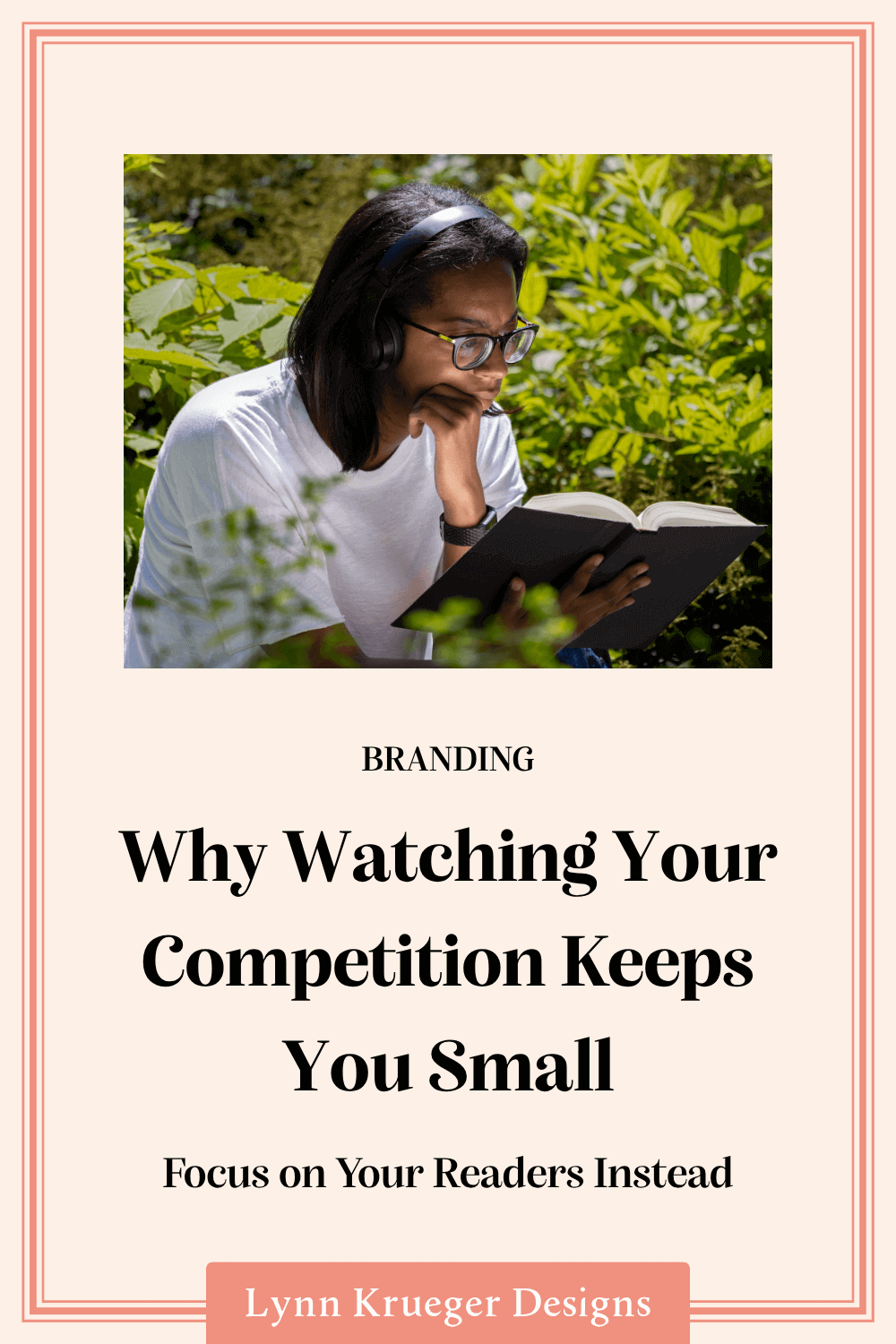
Why Watching Your Competition Keeps You Small: Focus on Your Readers Instead
You check the Amazon rankings. You scroll through successful authors' Instagram accounts. You analyze their book covers, their posting schedules, their newsletter strategies. You tell yourself you're "doing market research." But really, you're trapped in the comparison spiral that keeps most authors small.
Not finding the article you’re looking for? Let’s search it up.
