
Let Them Compare Your Journey to Others
Yes, Comparison IS a Trap
You're scrolling through Twitter during your lunch break, feeling pretty good about the progress you've made on your second novel.
You've been steadily chipping away at it around your full-time job and family responsibilities, and you're on track to finish the first draft by the end of the year.
It's not fast progress, but it's consistent, and you're proud of how you've managed to maintain momentum despite your busy life.
Then you see the post that stops you cold.
Another author—someone who started writing around the same time you did—is celebrating the release of their fifth book. Fifth book.
While you're still working on your second.
The post is full of gratitude for their "amazing journey" and excitement about their "incredible publishing team." The comments are flooded with congratulations and praise.

Suddenly, your steady progress feels pathetically slow.
Your pride in consistent effort evaporates into shame about your apparent lack of productivity.
Maybe you're not cut out for this.
Maybe you're not serious enough, not talented enough, not dedicated enough.
Maybe real authors don't take three years to write their second book.
Before you can spiral too far down this rabbit hole, your well-meaning critique partner calls. You mention feeling discouraged, and she immediately jumps in to "help."
"You know what your problem is?" she says. "You're not putting yourself out there enough. Look at Sarah Martinez—she started her Instagram account six months after you and already has 50,000 followers. And did you see that debut author who just got a six-figure deal? She's only twenty-five!"
Now you're not just feeling slow—you're feeling old, behind, invisible, and generally inadequate.
Every other author's success has somehow become evidence of your failure.
Every milestone they reach highlights how far behind you are.
Every achievement they celebrate makes your own progress feel insignificant.
How did other people's creative journeys become the measuring stick for your own worth and progress?
This is where the Let Them Theory becomes essential for protecting your creative confidence and strategic thinking.

Comparison Kills Creativity and Confidence
Social media has turned author comparison into a 24/7 mental health hazard.
Every scroll through Twitter, Instagram, or Facebook serves up a curated highlight reel of other authors' successes, achievements, and career milestones.
Book deals, bestseller announcements, award nominations, glowing reviews, impressive sales numbers, speaking opportunities, media coverage—an endless stream of other people's wins that can make your own progress feel inadequate by comparison.
What makes this particularly toxic is how social media comparison distorts reality.
You're comparing your behind-the-scenes struggle to others' polished public presentations.
You see their book launch celebration but not the three years of rejections that preceded it.
You see their bestseller announcement but not the financial stress, relationship strain, or mental health challenges that might have accompanied their success.
You see their confident author headshots but not their imposter syndrome or creative blocks.
The comparison trap becomes even more destructive when other people fuel it by constantly pointing out what you're "behind" on or what you "should" be doing based on other authors' journeys.
Well-meaning friends, family members, or fellow writers become unwitting saboteurs of your creative confidence by highlighting gaps between your progress and others' achievements.

This external pressure to "keep up" can lead to strategic copying instead of authentic development.
Instead of focusing on your unique strengths, circumstances, and goals, you start trying to replicate other authors' approaches, timelines, and career moves.
The result is often work that feels inauthentic and business decisions that don't align with your actual situation or values.
Perhaps most damaging, comparison culture creates the illusion that creative careers are zero-sum games where others' success diminishes your opportunities.
This scarcity mindset prevents the collaborative, supportive relationships that actually help authors thrive and makes every other writer feel like competition rather than community.
Different Authors, Different Starting Points and Advantages
Understanding how vastly different circumstances affect author journeys helps break the comparison habit by revealing how meaningless most comparisons actually are.
When you're comparing your progress to another author's, you're rarely comparing like to like—you're comparing completely different situations, advantages, and constraints.

Age and life stage create dramatically different writing contexts.
A twenty-five-year-old debut author might have the energy and focus that comes with fewer life responsibilities, while a fifty-year-old debut author brings life experience and emotional depth to their work that can't be replicated.
Neither approach is better; they're just different tools for creating compelling stories.
Financial situations profoundly impact how authors can approach their careers.
Someone with a trust fund, supportive partner, or high-paying day job can take risks and invest time in ways that aren't available to authors supporting families on tight budgets.
This doesn't make their success less legitimate, but it does make direct comparison pointless.
Geographic and cultural advantages vary enormously.
Authors living in major publishing centers might have easier access to industry networking events, while authors in other locations might have lower living costs that make writing careers more financially feasible.
Some authors benefit from educational opportunities, family connections, or cultural backgrounds that provide writing advantages, while others overcome significant barriers to pursue their creative goals.
Genre market timing and luck factors affect career trajectories in ways that have nothing to do with author quality or effort.
Writing dystopian fiction during The Hunger Games boom created opportunities that aren't available now.
Releasing romance during the pandemic e-book surge provided advantages that earlier or later authors didn't experience.

These timing factors can significantly impact apparent "success" rates.
Support system differences—from spouses who handle household responsibilities to extended families who provide childcare to friend networks that offer professional connections—create vastly different contexts for creative work.
Some authors write with extensive support systems, while others carve out creative time despite active opposition from their circumstances.
Health, neurodivergence, and accessibility factors affect everything from writing speed to marketing ability to career timeline flexibility.
These invisible factors can dramatically impact apparent productivity and success without reflecting anything about dedication, talent, or professional legitimacy.
Let Them Make Everything a Competition
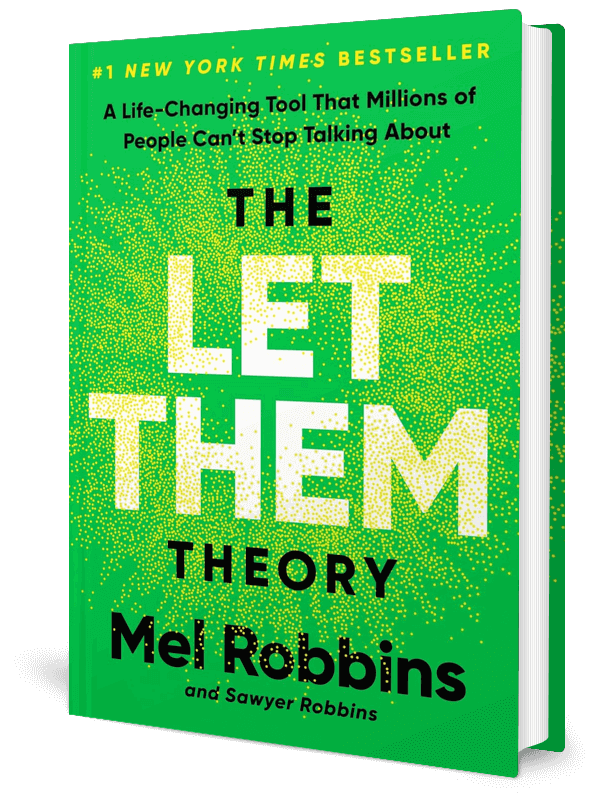
Here's where the Let Them Theory protects your creative energy and strategic focus: You stop trying to keep up with other people's journeys when doing so undermines your own progress and well-being.
Let them turn creative careers into rat races where speed matters more than sustainability, where visible success matters more than personal fulfillment, and where external achievements matter more than creative growth.
Let them exhaust themselves trying to replicate other people's paths instead of discovering what works for their unique circumstances and goals.
Let them miss the collaborative potential of creative communities because they're too busy keeping score.
Let them treat other writers as competition to beat rather than colleagues to learn from and support.
Let them spend time tracking other people's progress instead of focusing on their own craft improvement, reader connection, and strategic career building.
Let them miss their own unique strengths and advantages while focusing on others' highlight reels.
Let them overlook the distinctive perspectives, experiences, and capabilities they bring to their creative work because they're too busy trying to be someone else.
Most importantly, let them live on the emotional rollercoaster of comparison—feeling superior when they're ahead and inadequate when they're behind—instead of building the steady internal confidence that sustains long-term creative careers.
Let Me Focus on My Unique Path and Strengths

While you're letting them compete in games that drain creative energy, you get to build a career that leverages your specific advantages and works with your actual circumstances.
Let me leverage the life experiences and perspectives that only I can bring to my writing. My age, background, cultural experience, professional history, personal challenges, and unique viewpoint are creative assets that can't be replicated by other authors.
Instead of trying to write like someone else, I can explore what stories only I can tell with authenticity and depth.
Let me work with my circumstances instead of against them. If I have limited writing time due to family responsibilities, I can develop efficiency and focus that authors with more time might never cultivate. If I'm starting my career later in life, I can bring emotional maturity and life wisdom to my work.
If I'm writing in a less popular genre, I can build devoted readership in an underserved market.
Let me learn from others without trying to replicate their exact journey. Other authors' experiences can provide inspiration, practical strategies, and encouragement without becoming blueprints I need to follow precisely.
I can adapt useful techniques to my situation while maintaining my own creative vision and business approach.
Let me celebrate others' success without making it about my inadequacy. When fellow authors achieve milestones, I can genuinely enjoy their wins and learn from their strategies without interpreting their success as evidence of my failure.
Successful authors prove that opportunities exist; they don't diminish my chances of finding my own opportunities.
Let me build the career that fits my life rather than the career that looks most impressive from the outside. My definition of success might involve creative fulfillment, flexible scheduling, meaningful reader connection, or financial goals that don't match other authors' priorities.
Building toward my own goals rather than someone else's vision creates more sustainable satisfaction.
The most successful long-term authors often ignore comparison culture entirely, focusing instead on consistent creative development, authentic reader connection, and strategic career building that aligns with their personal circumstances and goals.
They understand that creative careers are not races with finish lines but ongoing journeys of growth, learning, and contribution.
Practical Strategies for Comparison Detox

Breaking free from destructive comparison patterns requires both mindset shifts and practical strategies for managing the inevitable exposure to other authors' highlight reels.
Social media management becomes crucial for protecting your creative confidence.
Consider curating your feeds to include more process-focused content and fewer achievement announcements.
Unfollow or mute accounts that consistently trigger comparison spirals.
Use time limits or scheduled breaks from platforms that tend to undermine your creative confidence.
Reframing comparison as market research or inspiration can transform a destructive habit into useful professional development.
Instead of "Why am I so far behind?" try "What strategies might work for my situation?" or "How can I adapt this approach to my circumstances?" This shifts focus from inadequacy to strategic learning.
Building genuinely supportive author communities rather than competitive ones provides better models for creative career development.
Seek out writing groups, online communities, or professional organizations that prioritize mutual support, skill development, and collaborative success rather than ranking or comparison.
Developing gratitude practices for your own progress helps maintain perspective on your actual journey rather than your relative position compared to others.
Regular reflection on skills developed, creative challenges overcome, and personal milestones achieved builds confidence based on your real growth rather than external comparison.
Knowing when to unfollow, mute, or take breaks from social media for mental health isn't giving up—it's strategic self-care that protects your creative energy for actual creative work.
Your career development doesn't depend on staying constantly updated on everyone else's progress.
Your Journey Doesn't Need to Match Anyone Else's Timeline
The most liberating realization for authors caught in comparison traps is this: Your creative journey is yours to navigate based on your circumstances, goals, and values, not based on how it measures against other people's timelines or achievements.

There is no universal schedule for creative careers.
Some authors publish their first book at twenty-two; others at seventy-two.
Some write prolifically; others slowly and deliberately.
Some achieve rapid commercial success; others build devoted readerships over decades.
Some focus on single genres; others explore diverse creative territories.
All of these approaches can lead to fulfilling, successful creative careers.
Your progress doesn't become less meaningful because someone else is moving faster, and your achievements don't become less valuable because someone else has achieved more.
Creative development happens at individual paces based on countless personal factors that don't show up in social media posts or industry announcements.
When you stop measuring your worth against other people's highlight reels, you can focus on the work that actually builds your career: developing your craft, connecting with readers, and making strategic decisions based on your goals rather than competitive pressure.
The creative industry will always provide examples of authors who seem to be moving faster, achieving more, or getting better opportunities than you are.
But it will also provide examples of authors whose journeys look slower or less impressive than yours.
Neither comparison tells you anything useful about your own potential or progress.
Your job is to write well, build meaningful connections with readers, and create the sustainable creative career that serves your life and goals.
Let them compare your journey to others' while you focus on making your journey authentic, strategic, and fulfilling.
Next time, we'll explore the final challenge in this identity and validation series: "Let Them Judge Your Genre"—because even when you're confident in your identity, success definitions, and unique journey, people will still have opinions about what you choose to write.
This Post is Part of The Let Them Theory for Authors series.
Dive into the complete series for more insights into how authors can build creative confidence and professional boundaries in a world that doesn’t always understand.

