

Welcome to Lynn’s Design Blog


Author Tips Published Every Monday
Read by Topic
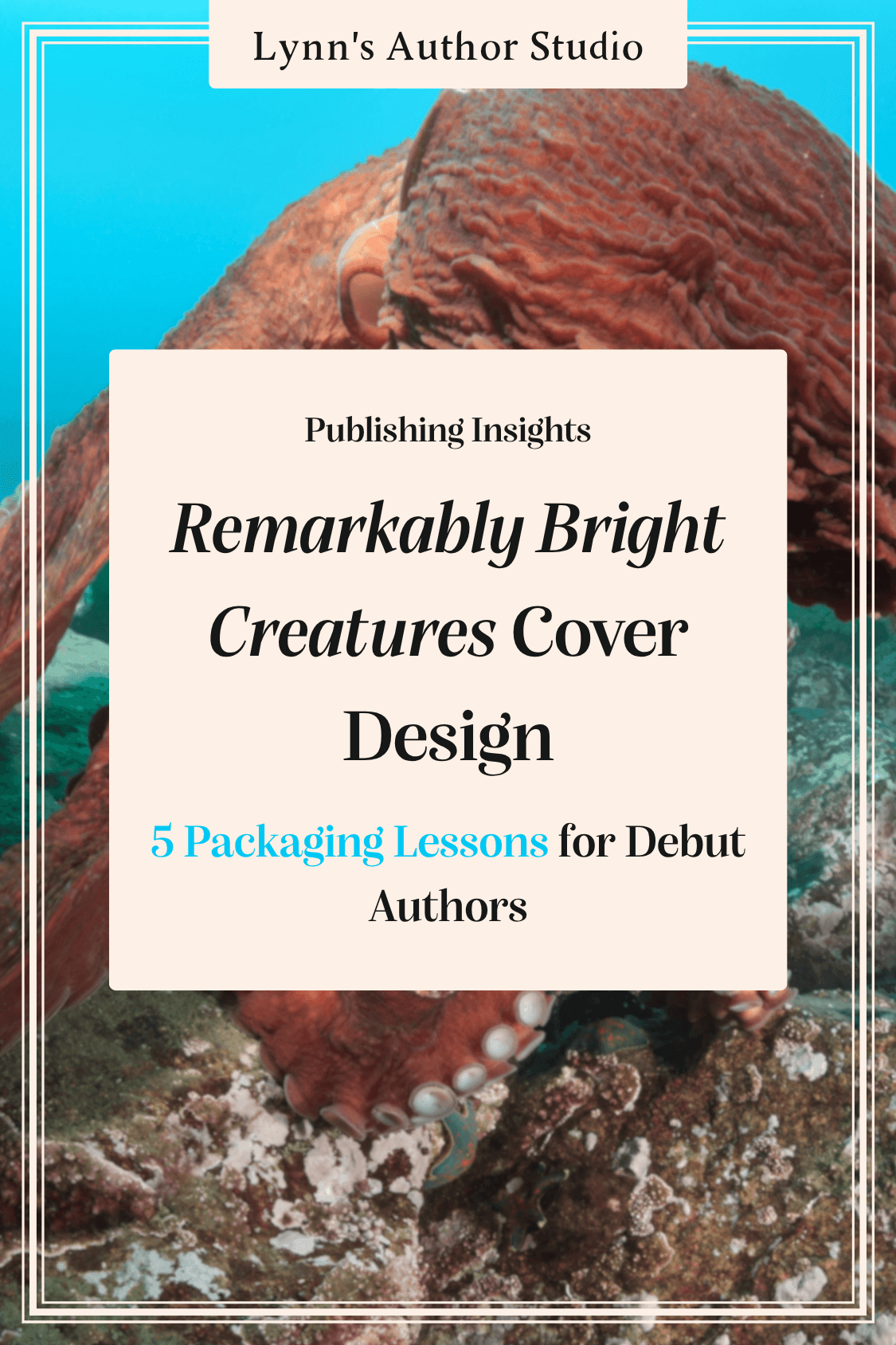
Remarkably Bright Creatures Cover Design: 5 Packaging Lessons for Debut Authors
What makes the Remarkably Bright Creatures cover design work? Break down 5 packaging lessons debut authors can use — from illustration choice to thumbnail performance.

The Comp Title That Sold Remarkably Bright Creatures Before Anyone Read Page One
How did "For fans of A Man Called Ove" help sell Remarkably Bright Creatures? Discover what comp titles really do — and how to find the right one for your debut novel.

Tom Felton on Mental Health: What Authors Don't Talk About
Tom Felton broke publishing's silence on depression and imposter syndrome. Discover what author mental health struggles are normal—and why no one admits them.
How Remarkably Bright Creatures Went Viral on BookTok (And What Authors Can Actually Control)
How did Remarkably Bright Creatures go viral on BookTok — and what can debut authors actually control? Discover the real conditions behind the phenomenon.
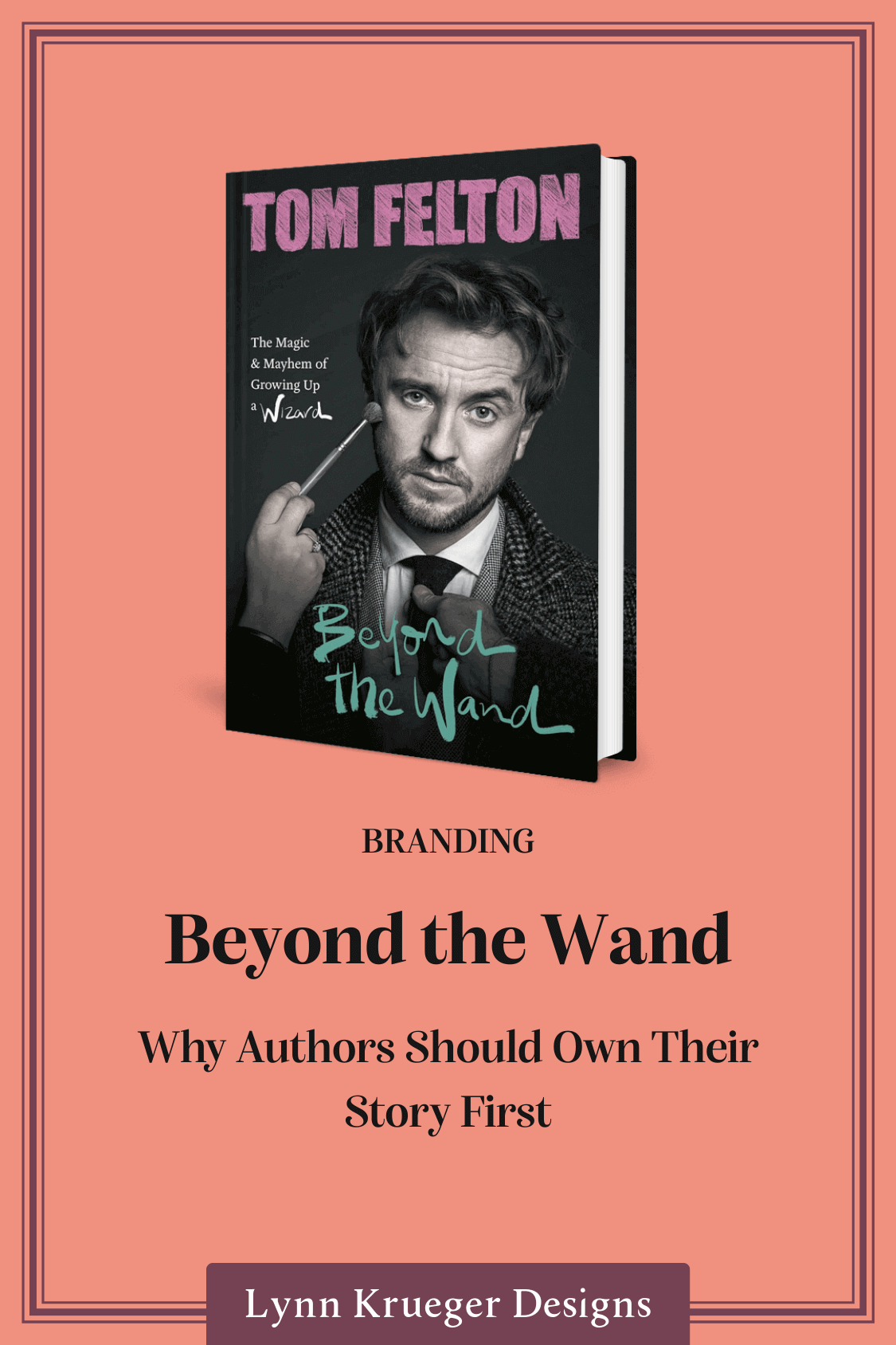
Beyond the Wand: Why Authors Should Own Their Story First
Tom Felton controlled his narrative by sharing his story first. Learn why proactive transparency protects your author brand better than hiding or waiting.
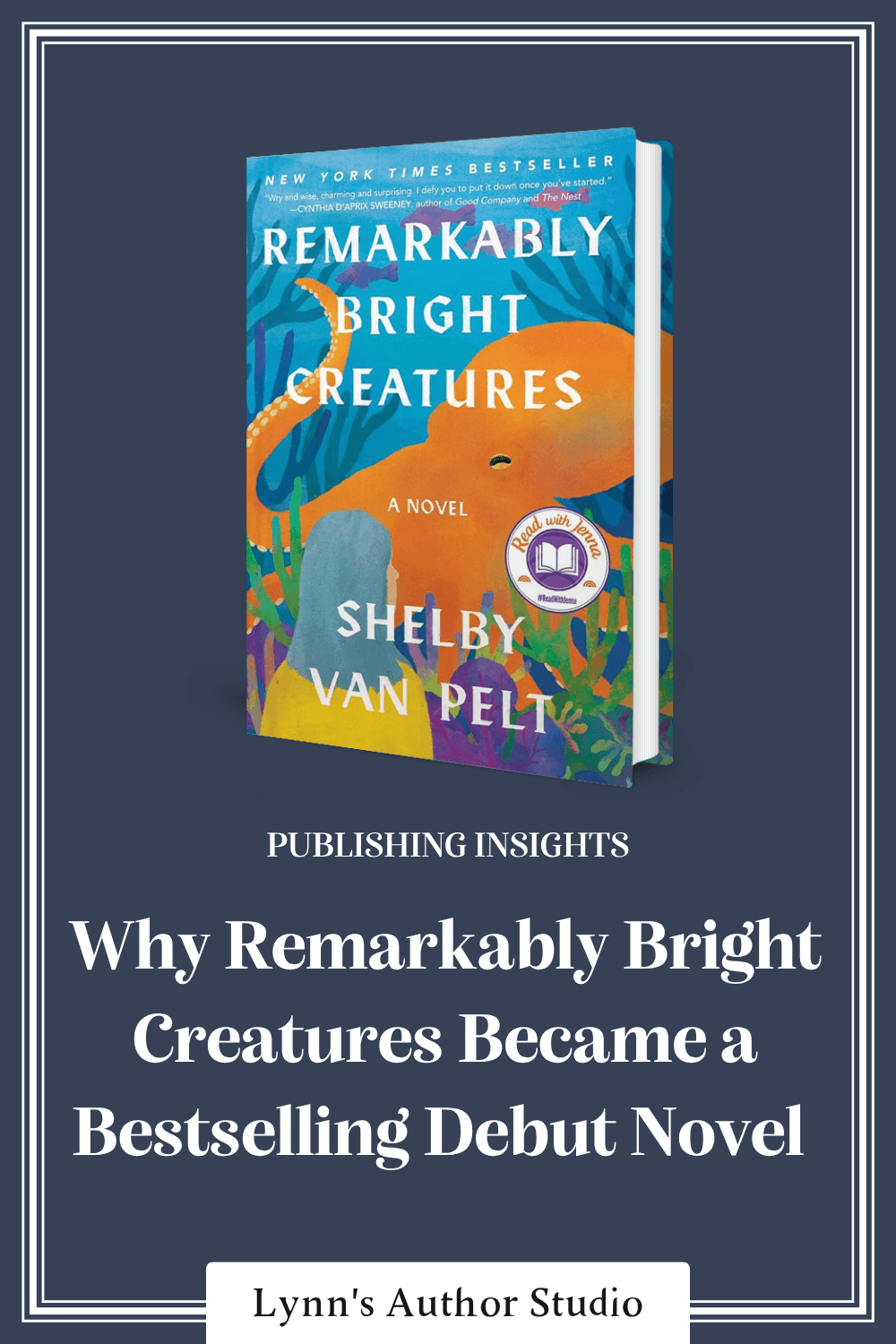
Why Remarkably Bright Creatures Became a Bestselling Debut Novel (Hint: It Wasn't the Octopus)
Why did Remarkably Bright Creatures become a bestselling debut novel? It wasn't just the octopus. Discover the real engines behind Shelby Van Pelt's breakout success — and what debut authors can learn from them.
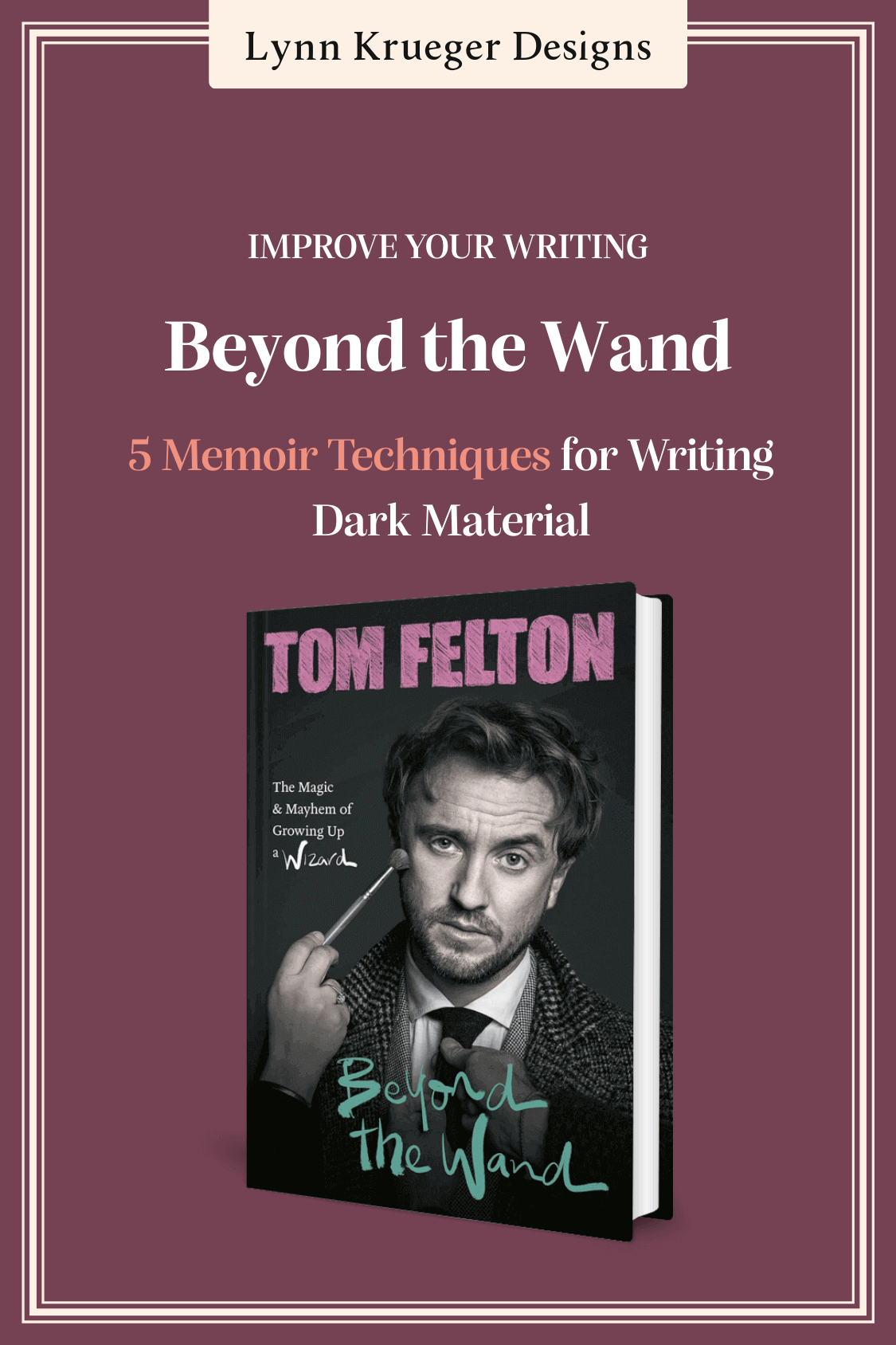
Beyond the Wand: 5 Memoir Techniques for Writing Dark Material
Discover how Tom Felton writes about alcoholism and depression without melodrama. Master 5 memoir techniques for crafting honest, powerful dark material.
Writing Authentic Emotions (Beyond Happy and Sad)
Every technique you've learned about understanding emotions becomes a tool for writing them. Today, we're bringing it all together.
You'll learn how to transform your emotional intelligence into emotional artistry—writing that doesn't just describe feelings but creates them in your readers.
This is where emotional intelligence becomes emotional artistry.

The Power of the Anthology: 5 Lessons for Short Story Writers
Master the anthology form with 5 essential lessons from folklore collections. Learn how to create story collections with unity, strategic ordering, and accumulated insight.

Life After Draco Malfoy: What Authors Can Learn About Post-Debut Pressure
Tom Felton spent years proving he was more than Draco Malfoy. Authors face the same post-debut pressure. Learn how to build a career beyond your first book.

5 Questions to Ask Before Sharing Your Author Story
Not sure if you're ready to share your author story? Use these 5 questions to assess whether you've processed something enough to share strategically.

Using Near vs Far Enemies for Character Development: How Emotional Nuance Creates Unforgettable Characters
Readers can spot one-dimensional characters from miles away.
But characters can only be as emotionally complex as their creator understands emotions to be.
When you expand your emotional vocabulary and understanding, your characters automatically become more nuanced.

The Art of the Retelling | 5 Rules for Reimagining Folklore
Master the art of retelling folklore and fairy tales. Learn 5 essential rules for reimagining traditional stories while honoring their power and cultural context.

Navigating Publishing Industry Egos: How to Deal with Difficult Personalities Without Sabotaging Your Career
Her editor dismissed every suggestion Sarah made, talked over her during phone calls, and demanded unilateral changes to her manuscript without discussion. Sarah felt trapped. This was her dream editor, her big break. But working with her was making Sarah question her own judgment and talent.

4 Things Tom Felton Didn't Do (And Why Authors Should Pay Attention)
Tom Felton shared struggles with alcohol and depression without damaging his brand. Here's the exact four-point framework that made it work for author vulnerability. (159 characters)
World-Building Through Mythology | A Folklore Research Guide
Learn how to build fictional worlds through mythology and folklore. Master the techniques oral traditions use to embed culture in story without info-dumping.

The Complete Guide to Cozy Book Trends: 6 Subgenres Reshaping Publishing
We explored why cozy fiction is a powerful prescription for publishing success in “Cozy Fiction's Prescription for Publishing Success,” but cozy isn't one-size-fits-all. The cozy fiction revolution is expanding beyond traditional boundaries, transforming every major genre from fantasy to literary fiction.

What Tom Felton's Beyond the Wand Teaches About Author Vulnerability
Tom Felton's Beyond the Wand proves honesty builds author trust. Discover the difference between strategic vulnerability and oversharing that sabotages.
10 Emotional Reset Rituals for Authors: How to Shift Your Mood and Unlock Your Creativity in Minutes
You stare at the cursor blinking on the blank page. Your shoulders feel tense. Your mind keeps wandering to everything except the story you're supposed to be writing. The frustration builds with each passing minute.
You know you should be writing, but your emotions have other plans.

7 Fairy Tale Story Structures That Still Work Today
Master 7 fairy tale story structures that work in contemporary fiction. Learn the rule of three, transformation arcs, and more proven narrative patterns from folklore.
Not finding the article you’re looking for? Let’s search it up.
