The Palimpsest Problem: When Authors Keep Overwriting Their Brand

Part 3 of From Stone Circles to Success
Is Your Brand a Palimpsest?
In medieval Scotland, parchment was precious and expensive. When scribes needed writing material, they often took existing manuscripts and scraped away the old text to write something new.

These recycled manuscripts were called palimpsests—literally meaning "scraped again."
Here's what those medieval scribes discovered: no matter how carefully you scrape, traces of the original text always remain.
The result? Confusing documents where fragments of old stories bleed through, making the new text difficult to read and understand.
Sound familiar? It should, because this is exactly what many authors do with their brands.
Every time you publish a new book or series, you completely overhaul your website, rebrand your social media, and reinvent your visual identity.
You think you're starting fresh, but what you're actually doing is creating a confusing palimpsest where traces of your old brand bleed through, leaving readers wondering: "Who is this author, really?"
Last week, we talked about how ancient bards had direct access to their audiences - and what we can learn from their success in “The Storyteller’s Paradox: Why Ancient Bards Never Had to Query Agents.”
The Author Palimpsest in Action
Let me paint you a picture of how this plays out in the modern author world.
The Romance-to-Fantasy Rebrand
Sarah starts as a contemporary romance author.
Her website is soft pinks and flowing fonts, her social media is full of book boyfriends and happy endings, and her bio emphasizes her belief in love conquering all.

Two years and three romance novels later, Sarah decides to write fantasy.
Suddenly, her website is dark purples and gothic fonts. Her social media pivots to dragons and magic systems. Her bio now emphasizes her love of world-building and complex political intrigue.
But here's the problem: her existing romance readers are confused and feel abandoned.
Her new fantasy branding doesn't acknowledge her romance background, making her seem like a debut author to fantasy readers.
She's essentially starting from zero, despite having built an audience over three books.
The Literary-to-Commercial Pivot
James builds his platform around literary fiction.
His author website features black and white photography, sparse design, and thoughtful essays about the craft of writing.
He attracts a dedicated following of readers who appreciate nuanced, character-driven stories.
When his literary novels struggle to find a wide audience, James decides to write a commercial thriller.
He scraps his entire website, creating something flashy with bold colors and action-oriented copy.
His thoughtful essays disappear, replaced by posts about plot twists and page-turning excitement.
The result? His literary fiction fans feel betrayed and stop following him.
Thriller readers see a website that feels inauthentic and manufactured.
James has essentially burned down his platform and confused both audiences.
Why Authors Create Palimpsests
Before we dive into solutions, let's understand why this happens. Most authors create brand palimpsests for understandable reasons:
The Book-Equals-Brand Misconception
This is the big one I discussed in my previous blog post about author branding.
Many authors think their brand should match their most recent book.
When they write something different, they feel compelled to rebrand everything to match.

Genre Anxiety
Authors worry that readers won't accept their writing in different genres.
They think the solution is to hide their previous work by completely rebranding, not realizing this actually makes the problem worse.
The Fresh Start Fantasy
There's something appealing about the idea of reinventing yourself with each new project. It feels creative and exciting.
Unfortunately, it's also incredibly damaging to long-term career building.
Platform Perfectionism
Some authors become dissatisfied with their existing brand and decide to start over "properly" rather than evolving what they already have.
This perfectionist impulse destroys valuable brand equity.
The Hidden Cost of Constant Rebranding

When you keep overwriting your brand, you're not just confusing readers—you're sabotaging the very platform principles we discussed in the first two posts of this series.
Trust Erosion
Remember those ancient stone circles? People trusted them because they were consistent, recognizable landmarks.
When you constantly rebrand, you're essentially moving your stone circle every few months and wondering why people can't find you.
Trust is built through consistency over time. Every rebrand resets your trust-building to zero.
SEO Suicide
Search engines reward websites that establish topical authority over time.
When you completely change your content focus and visual branding, you're telling search engines that you're no longer an authority on your previous topics—but you're not yet an authority on your new ones either.
This is particularly devastating for authors trying to build organic traffic to their author websites.

Community Confusion
Your most dedicated fans are the people who've been following your journey.
When you completely rebrand, you're sending them a message that their previous connection to you doesn't matter.
Many will simply stop following rather than try to figure out who you are now.
The Palimpsest Solution: Evolution, Not Revolution
The solution isn't to stop growing or writing in new genres.
The solution is to evolve your brand rather than overwriting it.
Rebecca Yarros: A Case Study in Brand Evolution
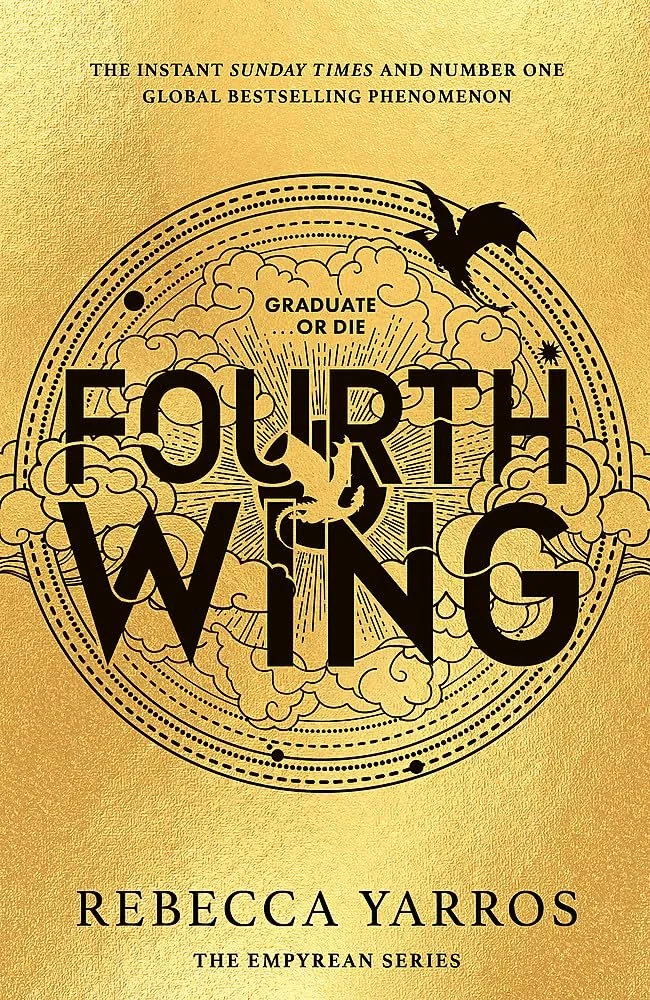
Let me revisit the Rebecca Yarros example from my author branding blog, but with a solutions focus.
Rebecca built her reputation writing military romance novels. Her brand was established around themes of service, sacrifice, and deep emotional connections.
When she wrote Fourth Wing, a dark romantasy, she faced a classic palimpsest moment.
She could have completely rebranded to match the dark, intense world of Fourth Wing.
Instead, she found the common threads that connected both her romance and fantasy work: intensity, emotional depth, and romantic tension.
Her author website now bridges both worlds. The darker elements of Fourth Wing are balanced with the romantic elements from her other work. The black and pink have evolved to complement each other.

Instead of two conflicting brands scraped over each other, Rebecca Yarros created one cohesive brand that encompasses all her work.
The result? She retained her romance readership while attracting fantasy fans, creating a much larger, more diverse audience.
The Foundation-First Approach
Here's how to avoid the palimpsest problem from the beginning:
Identify Your Core Brand Elements
Instead of building your brand around your current book, identify the deeper themes and qualities that run through all your work (or likely will). These might include:
Emotional tone (intense, humorous, contemplative)
Thematic elements (relationships, adventure, justice)
Writing style (lyrical, fast-paced, character-driven)
Reader experience (escapist, thought-provoking, comforting)
Create a Flexible Visual System

Your author website design should be built around your core brand elements, not your current book cover. Choose colors, fonts, and imagery that can evolve and expand rather than completely change.
For example, if intensity is a core brand element, you might build around a sophisticated color palette that can go darker or lighter depending on the specific project, rather than switching from pink to black.
For authors I work with, they receive a color palette expansion pack, with complementary colors that can evolve their brand if they decide to write in a drastically different age group or genre in the future.
Develop an Expandable Brand Voice
Your author voice should be authentically you, regardless of what genre you're writing. This doesn't mean every social media post needs to sound like your current book—it means your personality should be consistent even as your content evolves.
Fixing an Existing Palimpsest
If you're reading this and realizing you've already created a brand palimpsest, don't panic. You can fix this without starting over completely.

Audit Your Brand History
Look at all your previous branding iterations.
What elements appeared consistently? What themes or visual elements showed up repeatedly?
These are clues to your authentic brand foundation.
Find the Common Threads
Identify what connects all your work, even across genre changes. These connections become the foundation of your evolved brand.
Create Bridge Content
Develop content that acknowledges your journey and shows how your different works connect. This might include:
Author notes that explain your genre exploration
Blog posts about your writing evolution
Social media content that shows your personality across all your work
Gradual Evolution
Instead of another complete rebrand, make gradual changes that bring consistency without throwing away recognition you've already built.
The Anti-Palimpsest Author Website Strategy

When I work with authors on their websites, we build what I call "anti-palimpsest" brands—identity systems designed to grow and evolve without requiring complete overhauls.
Modular Design Systems
Instead of themed websites that only work for one book, we create modular systems where different sections can be emphasized or de-emphasized as your catalog grows.
Genre-Flexible Branding
We identify color palettes, typography, and imagery styles that can stretch across genres while maintaining consistency.
Future-Proof Content Strategy
We plan content structures that can accommodate multiple books, series, and even genre shifts without requiring complete reorganization.
Your Brand is Your Literary Legacy
Here's what those medieval scribes understood that many modern authors miss: what you build should be meant to last.
When they created a palimpsest, it was because parchment was too valuable to waste.
But your brand isn't parchment—it's not a limited resource that needs to be scraped clean for reuse.
Your brand is your literary legacy. Every book you write should add to it, not replace it.
Think of authors with lasting careers: Stephen King, Nora Roberts, Neil Gaiman.

While they might be known for a specific genre, they've all written across multiple genres and styles, and have allowed their brand to evolve consistently rather than being overwritten with each new project.
Their readers trust them to deliver a certain quality of experience, even when the specific genre or content changes.
They've built brands that encompass their range rather than reflecting only their most recent work.
The Long Game of Author Branding
Building a sustainable author platform means thinking beyond your current project to your entire career.
It means creating something that can grow with you rather than something that needs to be discarded every time you evolve as a writer.
Your author website should be a home for all your work, not just a showcase for your latest book.
Your social media presence should reflect your personality and interests, not just your current marketing campaign.
Your email newsletter should build relationships with readers who are interested in your journey, not just people who might buy one specific book.
When readers discover you, they should be able to understand your entire body of work and see how each piece fits into the larger picture of who you are as a storyteller.
Stop Scraping, Start Building

The next time you're tempted to completely rebrand for a new book or series, remember those medieval scribes and their confusing palimpsests.
Ask yourself: am I building something that will last, or am I just scraping away what I've already built?
Your readers want to know who you are, not who you think you should be for your current project.
They want consistency, authenticity, and the confidence that comes from an author who knows their own identity.
Stop scraping away your progress. Start building a brand that's worthy of your entire literary legacy.
Ready to stop scraping away your progress with every new book?
You've seen the problem now—constant rebranding destroys trust and recognition. This free guide shows you exactly what you're missing: the Author DNA approach that lets bestselling authors evolve across genres without starting over. See how Rebecca Yarros transformed her brand from genre-trapped to career-proof, and discover what building around your essence (instead of your book) could look like for you.