
How to Build Author Authenticity: The Jan-Andrew Henderson Case Study

Part 1 of the Jan-Andrew Henderson Case Study
When an author becomes the living embodiment of their expertise, magic happens. Here's how one writer turned personal experience into unshakeable credibility.
The Jan-Andrew Henderson Case Study
You've heard the writing advice "write what you know" a thousand times.
But what happens when an author doesn't just write what they know—they become what they write about?
Meet Jan-Andrew Henderson, the author who didn't just research Edinburgh's most famous ghost story. He became Edinburgh's ghost story.
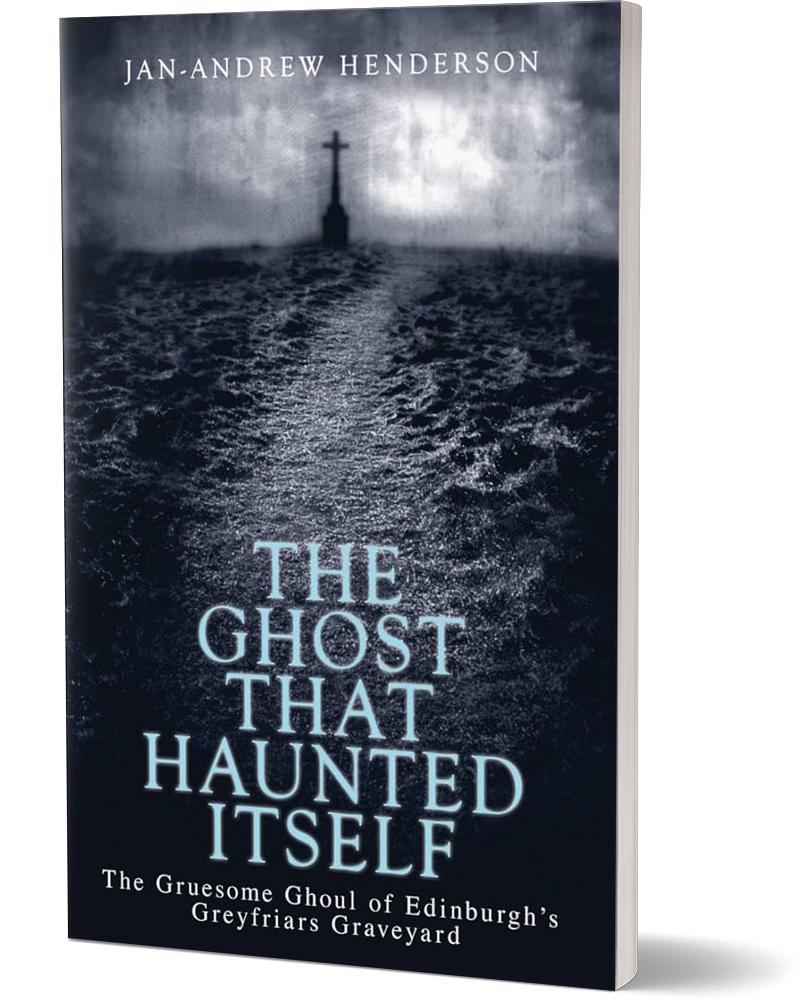
Henderson wrote "The Ghost That Haunted Itself," a gripping account of the McKenzie Poltergeist that terrorizes visitors to Edinburgh's Greyfriars Cemetery.
But here's where it gets interesting: Henderson doesn't just write about these supernatural encounters—he owns and operates the City of the Dead Ghost Tours, the very tours where many of these paranormal incidents occur.
This isn't your typical case of an author doing research.
This is author authenticity taken to its logical extreme, and there are powerful lessons here for every writer looking to build unshakeable credibility in their niche.
What Is Author Authenticity?
Author authenticity is the alignment between who you are, what you know, and what you write about.
It's the difference between an author who researches medieval warfare for six months and one who spent years as a medieval historian.
Both can write compelling fantasy novels, but readers can sense which one has lived and breathed their subject matter.
Authentic authors don't just know their topics—they embody them. They've walked the walk, not just talked the talk.
But here's what most authors miss: authenticity isn't just about having experiences. It's about positioning yourself as the definitive voice in your space through lived expertise.
The Henderson Model: Living Your Brand

Jan-Andrew Henderson has created something remarkable in the author space. He hasn't just written about Edinburgh's supernatural side—he's become synonymous with it.
When tourists want to experience Edinburgh's ghostly history, they take his tours.
When they want to understand the stories behind those experiences, they read his books.
This creates a feedback loop of credibility that most authors only dream of.
His real-world experience informs his writing.
This gives him firsthand accounts that no amount of research could provide.
When Henderson describes the cold spots visitors feel in the Covenanters' Prison or the unexplained injuries tourists sustain near the McKenzie Mausoleum, he's not relying on vague secondhand sources.
Through his ghost tour company, he and his employees are witnessing these events firsthand, night after night, tour after tour.
His writing enhances his business credibility.
Tourists who read "The Ghost That Haunted Itself" don't just book any ghost tour—they specifically seek out Henderson's City of the Dead Tours because they want to experience the locations with the author who wrote about them.
The Three Pillars of Author Authenticity
Henderson's success reveals three crucial elements that every author needs to build authentic credibility:
1. Lived Experience
Henderson didn't just research the McKenzie Poltergeist—he encounters it regularly through his tours. This gives him a depth of knowledge that pure research couldn't provide.
Chances are, you have lived experience that could bring authenticity to a novel.
If you’re shaking your head, do a little brainstorming. Often the topics we’re experts on feel simple or like common knowledge to us, but if you start asking around, you might realize how much of an expert you really are!

Ideas to consider for your writing:
What aspects of your genre or subject matter can you experience firsthand?
If you write thrillers, have you studied criminology or worked in law enforcement?
If you write romance, what personal experience do you have about relationships and human psychology that goes beyond surface-level research?
If you’re writing a mystery, what niche subject do you have more knowledge about than anyone else you know?
Or vice versa, how can your lived experience be infused into your stories? What are unique things you’ve experienced that could add authenticity and flavor to your novels?
Have you worked as an archeologist in Egypt?
Did you grow up in a family of singers?
Did you spend your summers at your grandparents’ ranch in Catoosa?
2. Professional Integration
Henderson's business and his writing aren't separate entities—they're integrated parts of the same brand ecosystem.
His ghost tours provide material for his books, and his books drive customers to his tours.
Ideas to consider for your writing:
How can you integrate your professional background with your author brand?
If you're a therapist writing self-help books, your practice informs your writing.
If you're a teacher writing young adult fiction, your daily interactions with teens give you authentic voice and dialogue.
If your day job enhances your writing credibility, share it! Don’t compartmentalize your professional life from your author brand if your professional life adds authenticity or expertise.
Think about it this way: do you want to pick up a detective novel written by someone who’s never spoken to a real cop in their life? Or do you want to pick up the cop thriller that was written by a former NYC beat cop?
Which feels more authentic, and makes you go, “ooh that sounds like it will be interesting!”
3. Consistent Authority Building

Henderson hasn't just written one book about Edinburgh's supernatural side. He's authored multiple books about the city's dark history, including "Edinburgh: City of the Dead" and "The Town Below the Ground."
In focusing on his area of expertise, he's positioned himself as THE authority on Edinburgh's hidden stories.
Ideas to consider for your writing:
What would it look like to become the definitive voice in your specific niche?
Authority isn't built with a single book or blog post. It's built through consistent, valuable content that demonstrates deep knowledge over time.
This isn’t meant to limit you! Henderson has written many books on topics unrelated to Edinburgh’s supernatural side. However, by publishing multiple books on a topic he’s passionate and knowledgable about, he deepens his authority and authenticity.
If readers pick up one of his supernatural books and love it, they’re going to want to reach for another one. But if he doesn’t have one, they’ll reach for another author instead.
It’s the same way someone who loves Sarah J. Maas’ first romantantasy series will reach for her next one, or the way someone who loves Ender’s Game will want to buy another SciFi novel by Orson Scott Card.
If you pick a topic you do well, don’t be shy about having multiple novels born out of that expertise. Whether fiction or non-fiction, leaving readers wanting more only works if you have…well, more!
Why Author Authenticity Matters More Than Ever
In today's crowded publishing landscape, readers are overwhelmed with choices.
They're not just looking for good stories—they're looking for authors they can trust to deliver expertise along with entertainment.
Read these two author bios and ask yourself which author you would trust to get the historical details right, and which would you seek out for more books in the same genre?

Generic Version: "Sarah Johnson has always been fascinated by medieval history. She spent months researching castle life for her debut historical romance."
Sounds a bit…boring, honestly.
Authentic Version: "Sarah Johnson worked for five years as a museum interpreter at Warwick Castle, where she specialized in 14th-century domestic life. Her experiences helping thousands of visitors understand medieval daily routines inform every scene in her historical romances."
Oooh, she sounds like an expert! I bet her books are great!
Henderson is a great example of this in action, because his author bio doesn't just mention his ghost tours as a side business—it positions them as evidence of his expertise. He’s not relating second-hand anecdotes; he’s an expert with personal experience with the poltergeist.
The Authenticity Implementation Plan
Ready to build Henderson-level authenticity in your own author brand? Here's your action plan:
Step 1: Audit Your Expertise
List everything you know deeply—not just surface-level knowledge, but areas where you have genuine expertise through experience, education, or passion. Include:
Professional background
Life experiences
Hobbies you've pursued seriously
Problems you've solved
Communities you're part of
Step 2: Find the Intersection

Where do your areas of expertise intersect with your writing?
Henderson's intersection was supernatural Edinburgh + storytelling + entertainment business.
What's yours?
Look for the sweet spot where your lived experience meets reader demand.
If you're a nurse who writes medical thrillers, that's an obvious intersection.
But don’t be afraid to think outside the box!
What if you're a project manager who writes fantasy? Your expertise in organizing complex systems and managing personalities could inform how you construct magical governments or guild structures.
Sometimes it’s the least obvious intersections of expertise, personal experience, and genre that create the most unique (and authentic!) stories.
Step 3: Document Your Journey
Consider creating content that showcases your expertise alongside your creative work. This could be:
Blog posts that tie your professional knowledge to your writing process
Social media content that shows behind-the-scenes expertise
Speaking opportunities where you can demonstrate knowledge
Networking within communities where your expertise is valued
Step 4: Integrate, Don't Separate

Don't keep your "real job" separate from your author brand if they can authentically connect.
Henderson doesn't hide that he's a businessman—he leverages it to enhance his credibility as an author.
If you're a teacher writing young adult fiction, don't just mention it in passing. Talk about how daily interactions with teenagers inform your character dialogue.
If you're a project manager writing epic fantasy, explain how your experience managing complex systems helps you build believable fictional governments.
Burying your expertise helps no one. Feel free to brag about your experience! After all, you want your readers to discover your wonderful books, right? Sharing your expertise will help them realize your books are the real deal.
When Authenticity Feels Impossible
"But Lynn," you might be thinking, "I write science fiction and I work in accounting. How is that authentic?"
Here's the thing: authenticity isn't about having the most obvious connections.
It's about finding genuine links between who you are and what you write.
That accountant writing science fiction? They understand complex systems, resource management, and how societies function economically—all crucial elements for building believable futuristic worlds.
The stay-at-home parent writing thrillers? They understand the fierce protective instincts that drive many thriller protagonists, plus they've mastered the art of managing chaos and thinking ten steps ahead.
Henderson's authenticity works because he's not forcing a connection—he's living it.
But you don't need to own ghost tours to be authentic. You need to honestly assess what you know deeply and find ways to let that knowledge enhance your creative work.
The Long-Term Authenticity Strategy

Building Henderson-level authenticity doesn't happen overnight. It's a long-term brand strategy that requires:
Consistency: Henderson has been operating ghost tours and writing about Edinburgh's supernatural side for years. He's not jumping from trend to trend—he's deepening his expertise in his chosen niche.
Integration: His business and writing work together to reinforce his authority. Each element of his brand supports the others.
Evolution: While Henderson stays in his lane of intense, mysterious, and often supernatural topics, he's published multiple books on other aspects of Edinburgh’s hidden stories as well as books unrelated to Edinburgh at all. But the “vibe” of his author brand remains consistent, so that when readers reach for the next book on his list, it will not disappoint.
Confidence: Henderson owns his expertise. His bio doesn't apologetically mention his tours—it positions them as evidence of his authority. He's not modest about his knowledge; he's confident in his position as Edinburgh's supernatural storytelling expert.
Your Authenticity Action Step
Here's your homework: Write two versions of your author bio.
First, write the version you currently use—the one that focuses solely on your writing credentials.
Then, write a Henderson-inspired version that positions your real-world experience as evidence of your writing authority. Look for ways to connect your lived experience to your creative work authentically.
The goal isn't to fabricate connections that don't exist—it's to recognize and articulate the expertise you already possess.
The Authenticity Advantage

When you build your author brand on authentic expertise, several powerful things happen:
Readers trust you more deeply: They know you're not just making things up—you're drawing from real knowledge and experience.
Your writing improves: Authentic knowledge creates richer, more believable stories and more authoritative non-fiction.
Marketing becomes easier: Instead of trying to convince people you know what you're talking about, you can simply demonstrate it.
You stand out in the market: In a sea of authors writing about the same topics, authentic expertise makes you memorable and distinctive.
Opportunities multiply: Like Henderson, you may find that your authentic expertise opens doors to speaking, consulting, or business opportunities that complement your writing.
Want to Learn More from Henderson? —> Discover how Henderson transformed his authenticity into a thriving multi-revenue business model in “Author Business Model: How to Create Multiple Revenue Streams Like Jan-Andrew Henderson.”
The Henderson Lesson

Jan-Andrew Henderson didn't become successful by accident. He identified an area where his expertise, passion, and market opportunity intersected, then he doubled down on becoming the definitive authority in that space.
He didn't try to be everything to everyone. He became indispensable to a specific audience: people fascinated by Edinburgh's supernatural history.
The question isn't whether you have Henderson-level expertise in some area—you do.
The question is whether you're brave enough to position yourself as the authority you already are and let that authenticity drive your author brand.
Your readers are waiting for an author they can trust completely. When you build your brand on authentic expertise, you become that author.
Henderson haunts Edinburgh's graveyards every night, sharing stories that only he can tell with the authority only he possesses.
What stories are you uniquely qualified to tell?
And more importantly, are you ready to own that expertise and let it transform your author brand?
Ready to Position Your Authentic Expertise?
Understanding you have valuable expertise is one thing—translating it into a compelling author brand that positions you as THE authority is another. My Professional Author Brand guide helps you identify the Henderson-level intersection between your lived experience and your writing, so you can build unshakeable credibility readers trust.

If You Liked This Article, You’ll Also Love…
What Tamora Pierce's 30-Year Career Teaches Us About Author Brand Evolution
Why Author Branding Isn't Vanity—It's Survival: Professional Design in the Age of Digital Censorship
Find Your Author DNA: The Secret to Building an Unforgettable Author Brand
Building Your Author Brand Like Charlotte McConaghy: From YA to Literary Thriller
