

Welcome to Lynn’s Design Blog


Author Tips Published Every Monday
Read by Topic

Tom Felton on Mental Health: What Authors Don't Talk About
Tom Felton broke publishing's silence on depression and imposter syndrome. Discover what author mental health struggles are normal—and why no one admits them.
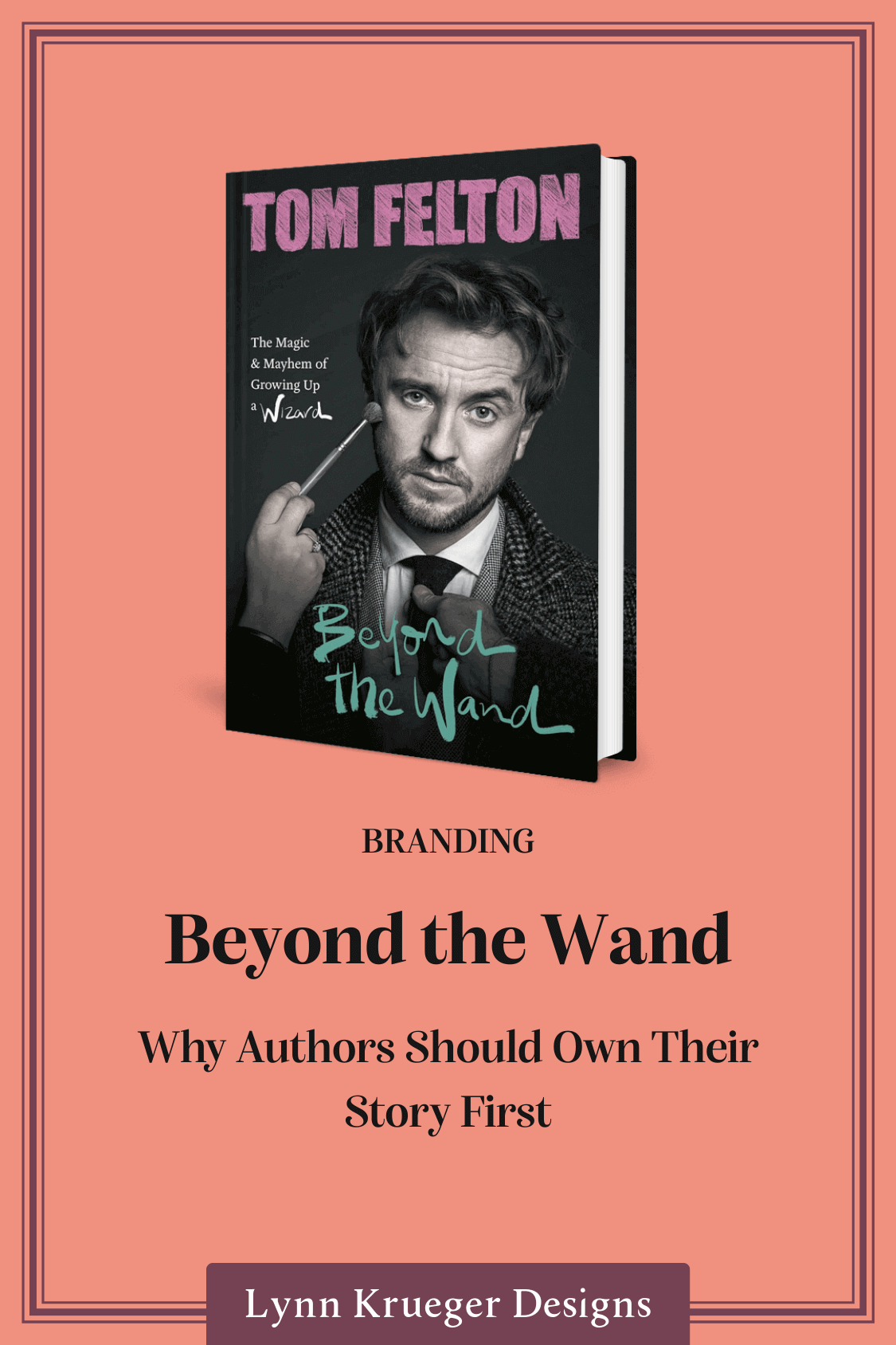
Beyond the Wand: Why Authors Should Own Their Story First
Tom Felton controlled his narrative by sharing his story first. Learn why proactive transparency protects your author brand better than hiding or waiting.
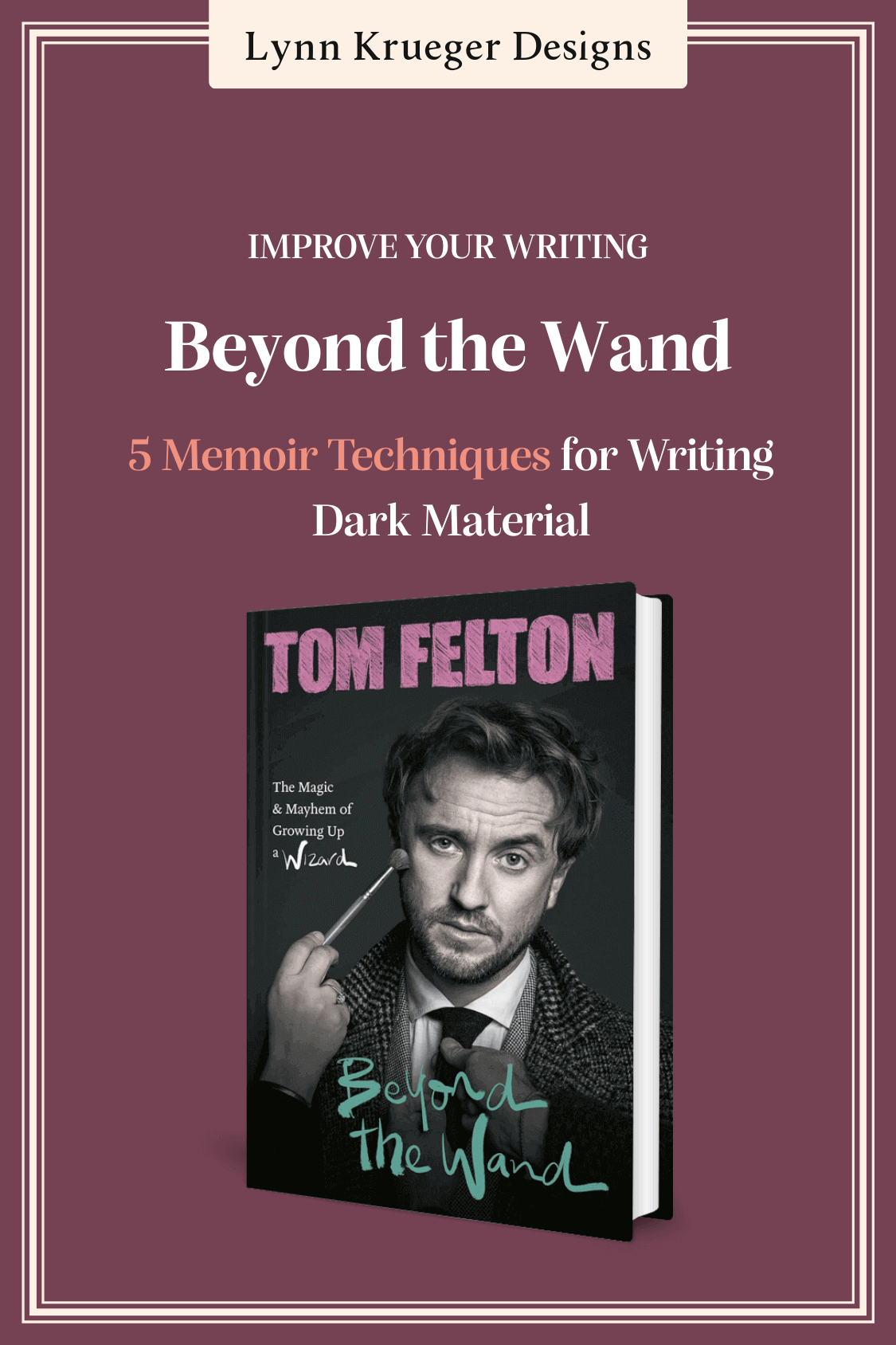
Beyond the Wand: 5 Memoir Techniques for Writing Dark Material
Discover how Tom Felton writes about alcoholism and depression without melodrama. Master 5 memoir techniques for crafting honest, powerful dark material.

The Power of the Anthology: 5 Lessons for Short Story Writers
Master the anthology form with 5 essential lessons from folklore collections. Learn how to create story collections with unity, strategic ordering, and accumulated insight.

Life After Draco Malfoy: What Authors Can Learn About Post-Debut Pressure
Tom Felton spent years proving he was more than Draco Malfoy. Authors face the same post-debut pressure. Learn how to build a career beyond your first book.

5 Questions to Ask Before Sharing Your Author Story
Not sure if you're ready to share your author story? Use these 5 questions to assess whether you've processed something enough to share strategically.

The Art of the Retelling | 5 Rules for Reimagining Folklore
Master the art of retelling folklore and fairy tales. Learn 5 essential rules for reimagining traditional stories while honoring their power and cultural context.

4 Things Tom Felton Didn't Do (And Why Authors Should Pay Attention)
Tom Felton shared struggles with alcohol and depression without damaging his brand. Here's the exact four-point framework that made it work for author vulnerability. (159 characters)
World-Building Through Mythology | A Folklore Research Guide
Learn how to build fictional worlds through mythology and folklore. Master the techniques oral traditions use to embed culture in story without info-dumping.

The Complete Guide to Cozy Book Trends: 6 Subgenres Reshaping Publishing
We explored why cozy fiction is a powerful prescription for publishing success in “Cozy Fiction's Prescription for Publishing Success,” but cozy isn't one-size-fits-all. The cozy fiction revolution is expanding beyond traditional boundaries, transforming every major genre from fantasy to literary fiction.

What Tom Felton's Beyond the Wand Teaches About Author Vulnerability
Tom Felton's Beyond the Wand proves honesty builds author trust. Discover the difference between strategic vulnerability and oversharing that sabotages.
10 Emotional Reset Rituals for Authors: How to Shift Your Mood and Unlock Your Creativity in Minutes
You stare at the cursor blinking on the blank page. Your shoulders feel tense. Your mind keeps wandering to everything except the story you're supposed to be writing. The frustration builds with each passing minute.
You know you should be writing, but your emotions have other plans.

7 Fairy Tale Story Structures That Still Work Today
Master 7 fairy tale story structures that work in contemporary fiction. Learn the rule of three, transformation arcs, and more proven narrative patterns from folklore.
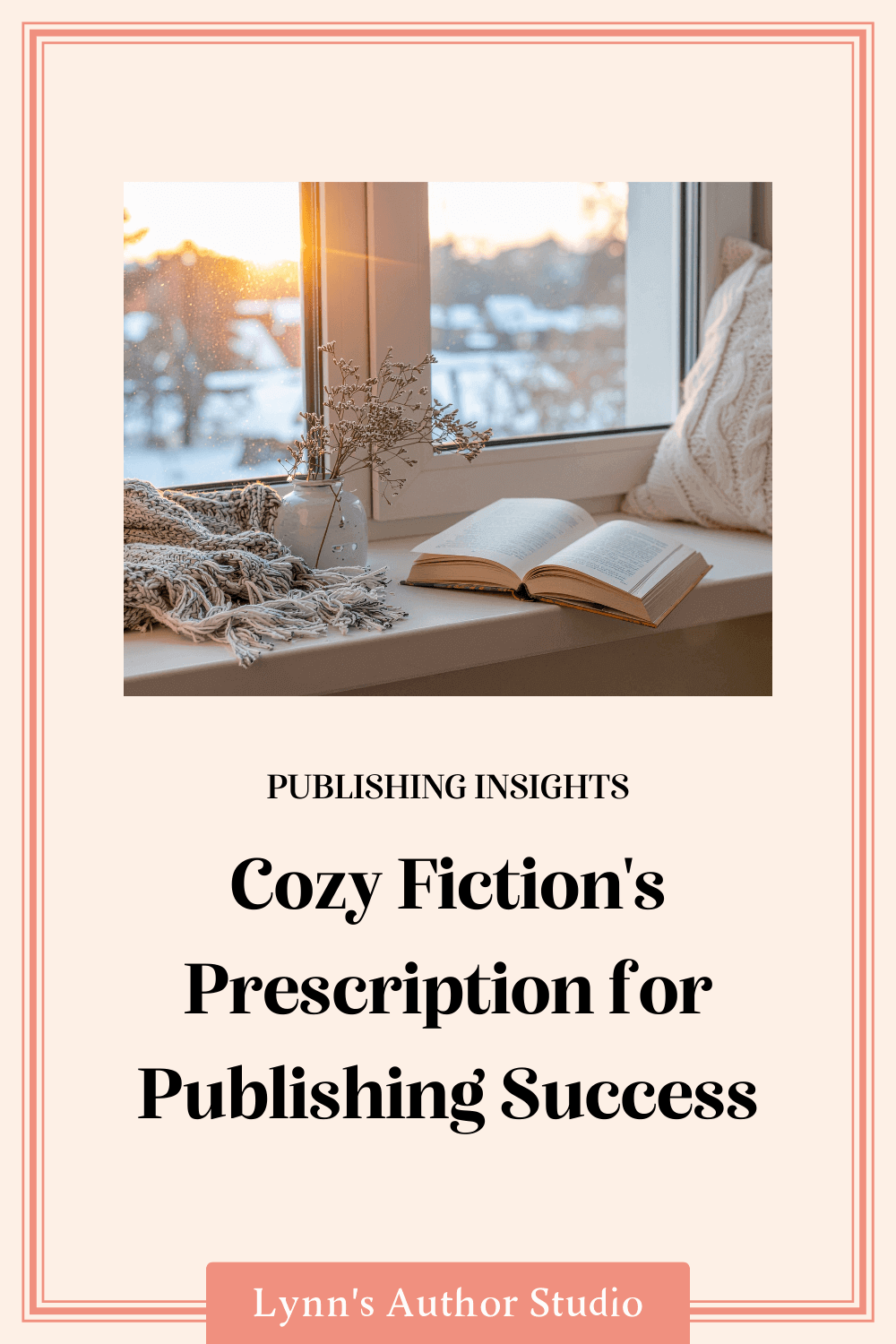
Cozy Fiction's Prescription for Publishing Success
We'll Prescribe You A Cat—a gentle story about healing, mysterious prescriptions, and the transformative power of caring for something beyond yourself—was a worldwide success. Readers across cultures, languages, and continents have embraced Syou Ishida's tender tale of emotional restoration. But why?

Finding Your Author Rhythm: The Healing Power of a Daily Writing Routine
When I read about the patients who receive cat prescriptions from the mysterious Kokoro Clinic in Syou Ishida’s We’ll Prescribe You A Cat, here’s what stuck with me:
The transformation doesn't happen in a single dramatic moment when they first meet their assigned cat. The healing unfolds slowly, through daily interactions, consistent care, and small moments of connection accumulated over time.
In the same way, building a sustainable writing career requires daily attention to your creative practice.
Overcoming Imposter Syndrome with Emotional Awareness: How to Stop Questioning Your Right to Call Yourself a Writer
Imposter syndrome affects 90% of authors—including those with multiple bestsellers, literary awards, and historical achievements. Maya Angelou, one of the most celebrated authors of our time, once admitted: "I have written 11 books, but each time I think, 'uh oh, they're going to find out now. I've run a game on everybody, and they're going to find me out.”

The Magic of Subtle Worldbuilding: Why Less is More in Magical Realism
If you’ve read We’ll Prescribe You A Cat, then you’re familiar with the mysterious clinic in Kyoto where a doctor prescribes cats as medication for every emotional ailment.
Your logical mind should be asking dozens of questions—but you're not. You're completely absorbed in the story, accepting this impossible premise as naturally as you'd accept a character ordering coffee.

How to Use Animal Symbolism in Your Fiction (5 Proven Techniques)
Master animal symbolism in fiction with 5 proven techniques from folklore. Learn to layer cultural meaning, create depth, and build symbolic systems that resonate.

How This Author Sells Books, Tours, and Services Simultaneously
We've explored how Jan-Andrew Henderson built unshakeable authenticity and created a brilliant business ecosystem around his expertise.
But here's where the rubber meets the road: How does all that strategic thinking translate into a website that actually converts visitors into readers, customers, and advocates?
Henderson's website isn't just showcasing his books—it's the central hub of his entire business empire.
The Complete Guide to Emotional Intelligence for Authors: How to Build Mental Resilience in a Rejection-Heavy Industry
Picture this: You've just received your fifteenth rejection letter this month. Your critique partner loves your manuscript, your beta readers are raving, but agents keep passing.
The familiar wave hits. Self-doubt creeps in.
Maybe you're not cut out for this. Maybe your writing isn't good enough. Maybe you should just give up.
Not finding the article you’re looking for? Let’s search it up.
