
What Authors Can Learn from Charlotte McConaghy's Atmospheric Writing in Wild Dark Shore

Article 6 of the Wild Dark Shore series
Some books you read. Others you inhabit.
Charlotte McConaghy's Wild Dark Shore falls firmly in the second category.

From the opening pages, you're not just reading about a remote island—you're standing on it, feeling the wind tear at your clothes, tasting salt spray, hearing seals bark in the distance.
This is atmospheric writing at its finest. And here's the thing: it's not magic. It's craft.
McConaghy uses specific, replicable techniques to create that immersive sense of place.
Today we're going deep on those techniques so you can apply them to your own work. Whether you're writing thrillers, literary fiction, fantasy, or romance, atmosphere matters—and McConaghy's approach offers lessons for every genre.
Let's break down exactly how she does it.
If you haven't read my complete review and analysis of Wild Dark Shore, start there for full context on the book and McConaghy's career.

What Atmospheric Writing Actually Means
Before we analyze McConaghy's techniques, let's define what we're talking about.
Atmospheric writing creates a vivid sense of place and mood that permeates the story. It's the difference between knowing intellectually that a scene takes place on a cold island versus feeling the cold seep into your bones as you read.
Atmosphere isn't just description—it's immersion.
Bad atmospheric writing dumps paragraphs of static description that readers skip. Good atmospheric writing weaves sensory details through action and emotion so seamlessly that readers don't notice the technique—they just feel transported.
McConaghy excels at the latter. Let's see how.
Technique #1: Choose Details That Do Double Duty
One of McConaghy's signature moves is selecting details that simultaneously establish setting AND reveal character or advance plot.
She never wastes words on pure description. Every detail serves multiple purposes.
Look at how she introduces the island's wildlife:
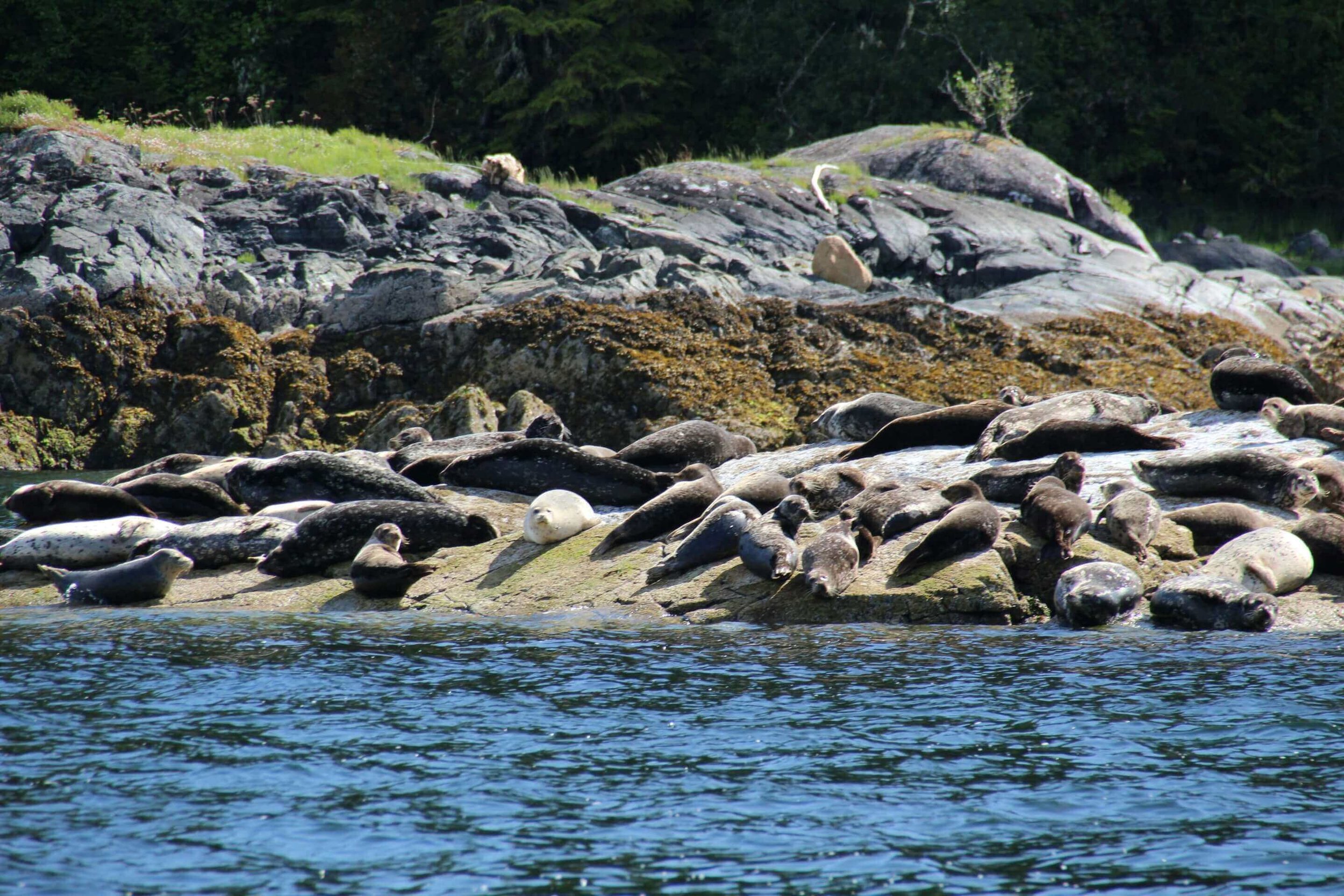
The seals aren't just described as "lying on the beach." We see Fen choosing to sleep among them, finding safety with animals instead of humans. The seals become both setting and character insight.
The penguins aren't simply "present on the island." They appear when characters need reminders of innocence, community, or the stakes of environmental collapse.
When Raff plays violin to whale song, McConaghy is simultaneously establishing the island's soundscape, revealing Raff's character, and exploring themes of connection across species.
This efficiency is what makes the atmosphere feel organic rather than forced. You're not stopping the story to learn about the setting—you're learning about the setting through the story.
How to Apply This: The Two-Purpose Test
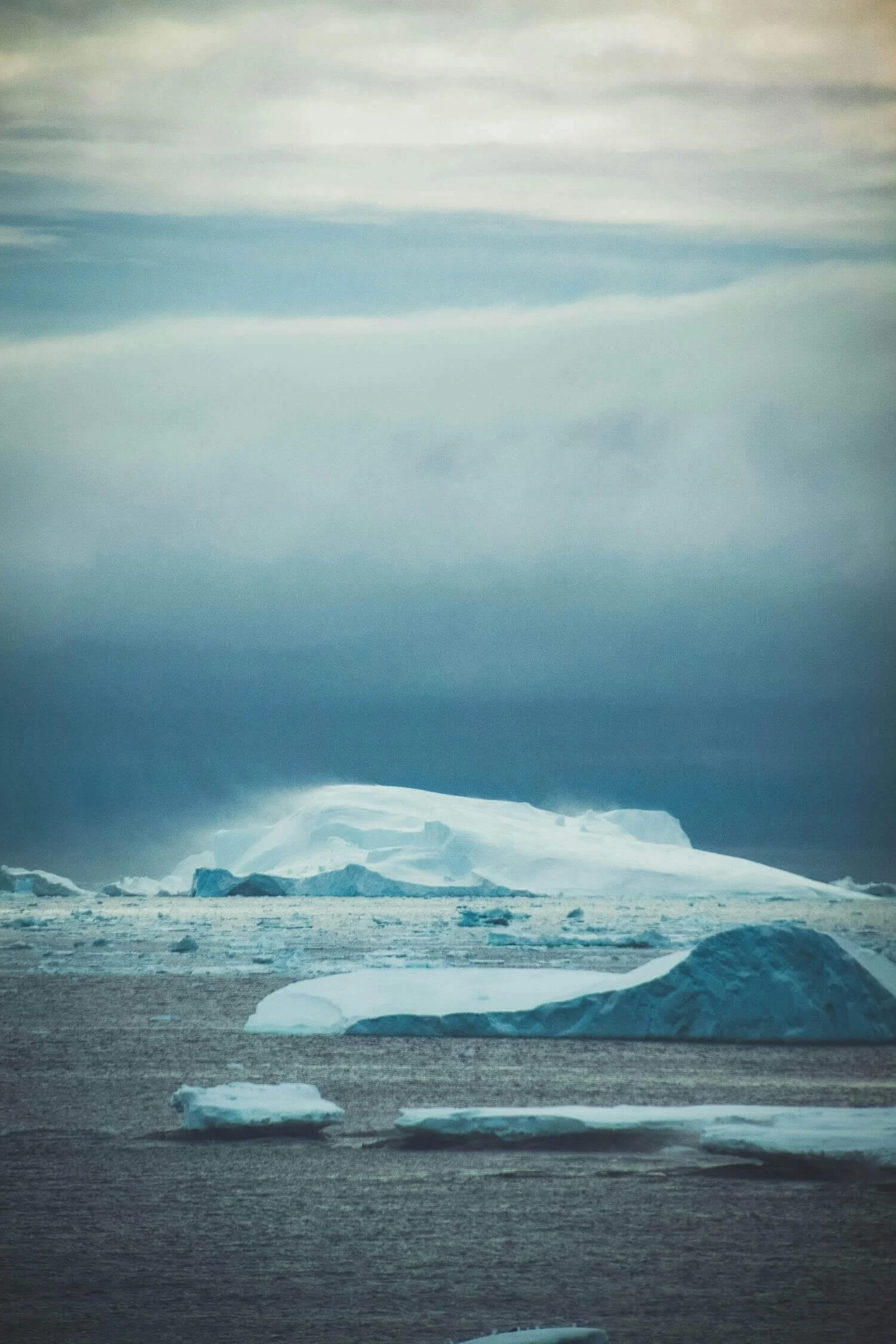
When you're writing descriptive passages, ask yourself: what else is this accomplishing?
If a paragraph only establishes that it's cold, cut it. If the cold reveals your character's mood, mirrors the tension in the scene, or becomes an obstacle they must overcome—keep it.
Every atmospheric detail should pull double (or triple) duty.
Setting + character emotion. Setting + theme. Setting + plot development. Setting + tone.
Practice this ruthlessly and your prose will tighten while your atmosphere deepens.
Technique #2: Use Specific, Concrete Imagery
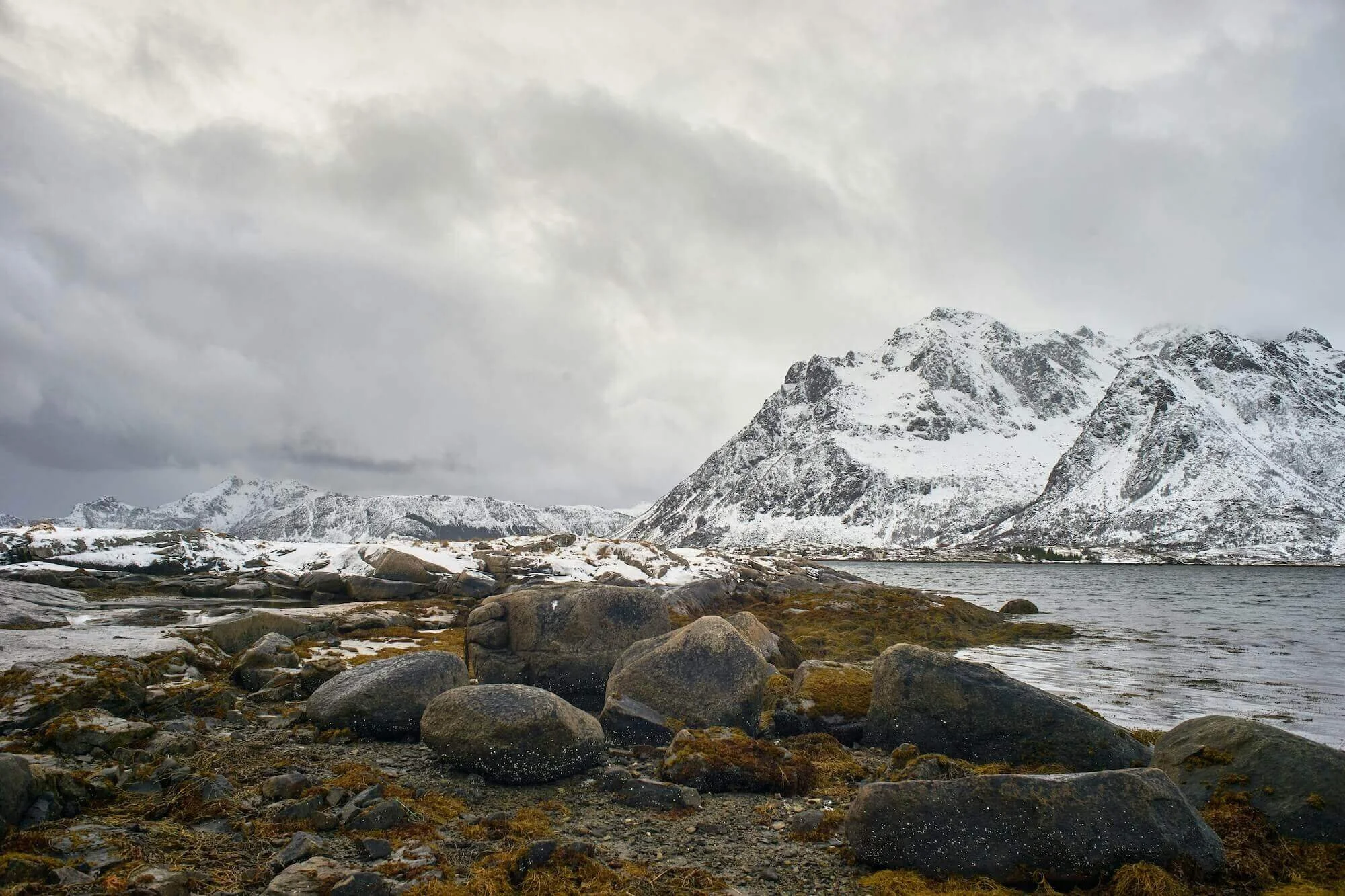
McConaghy doesn't write "the ocean was rough." She writes about specific textures, movements, and sounds that make you feel the roughness.
She gives you the bursting pressure in lungs as someone drowns. The sensation of being dragged across rocks. The fat bodies of sleeping seals and the rough, wind-bitten texture of a face.
These aren't generic descriptions—they're visceral and specific.
This specificity tricks your brain into believing you're experiencing the sensation. Generic language keeps you at arm's length. Specific language pulls you in.
Compare these two versions:
Generic: "The storm was scary and the wind was very strong."
McConaghy's approach: "The windows shook. Outside the storm was rabid."
The second version uses specific verbs (shook, rabid) that do sensory work without explaining. You feel the violence without being told how to feel.
How to Apply This: Ban Weak Modifiers
Go through your manuscript and highlight every instance of "very," "really," "quite," and other intensity modifiers.
Now replace the entire phrase with a stronger, more specific word. Don't tell us something is "very cold"—tell us about numb fingers, visible breath, or ice forming in hair.
Strong nouns and verbs beat weak nouns/verbs plus modifiers every time.
Also practice replacing abstract concepts with concrete sensory details. Don't tell us a character feels anxious—show us the physical sensation in their body.
Technique #3: Let Weather Be a Character

In Wild Dark Shore, weather isn't backdrop—it's a force that shapes every decision and drives major plot points.
The storm that brings Rowan to the island isn't just a plot device. It's a demonstration of the island's power and unpredictability. It's climate change made tangible. It's the external chaos that mirrors internal turmoil.
McConaghy uses weather to create urgency, isolate characters, and externalize emotion.
When characters are in conflict, the wind picks up. When secrets are about to surface, storms gather. This isn't heavy-handed symbolism—it's using environment to enhance what's already happening emotionally.
The weather also grounds us in physical reality. These characters live at the mercy of elements, and we feel that constant awareness.
How to Apply This: Weather as Pressure
Look at your scenes and ask: what's the weather doing?
If the answer is "nothing" or "it's just nice out," you're missing an opportunity. Weather creates texture, sets tone, and can function as a ticking clock.
Give your characters weather to contend with—literal pressure that creates narrative tension.
A difficult conversation becomes more difficult in stifling heat or bitter cold. A tender moment becomes more poignant against harsh elements. A character's isolation feels more complete in fog or snow.
Use weather strategically, not randomly.
Technique #4: Sound as Much as Sight
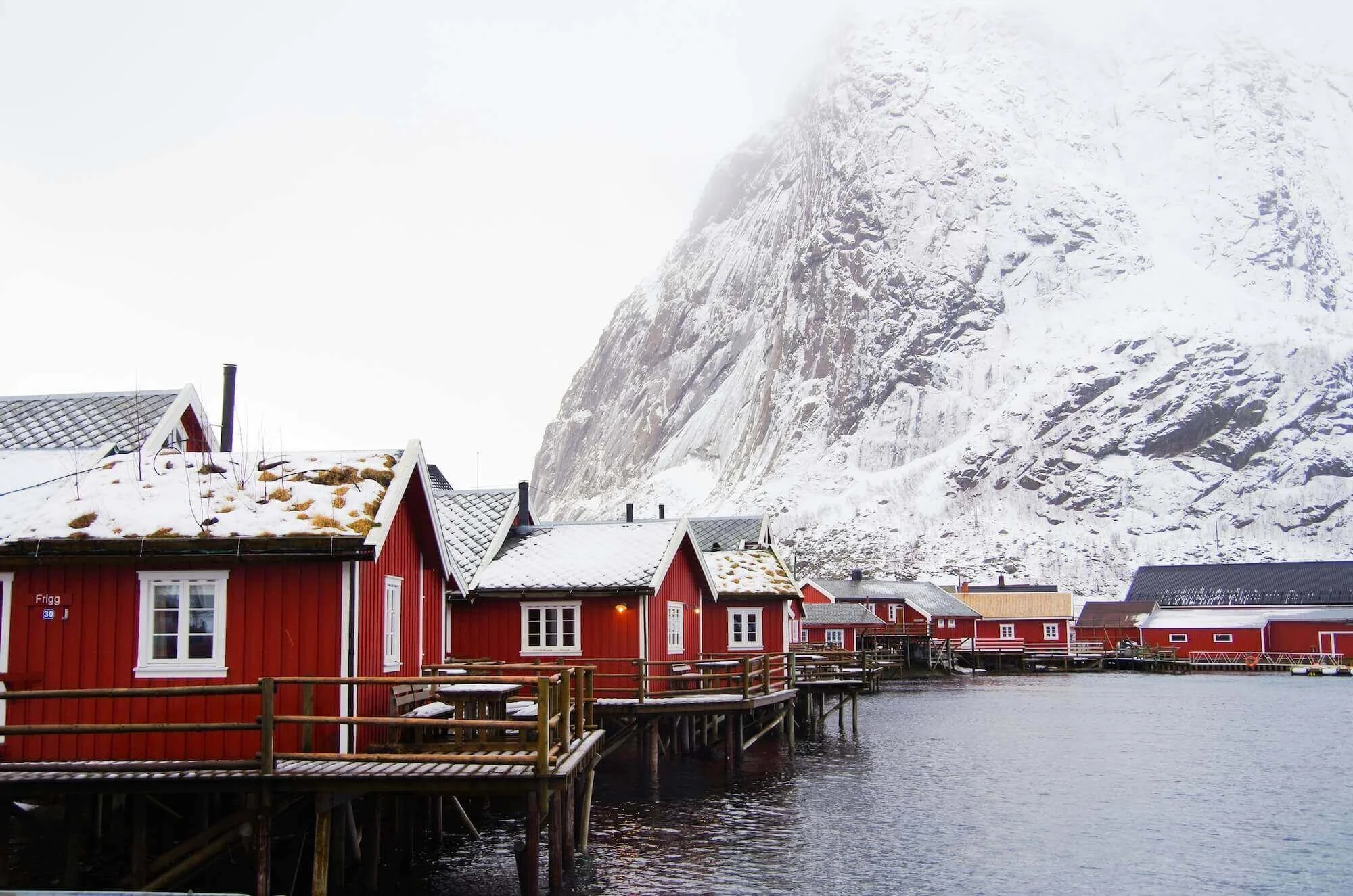
Many writers rely too heavily on visual description.
McConaghy understands that sound creates equally powerful atmosphere.
Wind doesn't just blow—it screams. Seals don't just exist—they bark and shuffle. The ocean isn't silent—it surges and crashes.
The soundscape of Shearwater is as vivid as the visual landscape.
Orly hears voices in the wind—whether real or imagined doesn't matter as much as the fact that the island is full of sounds that can be interpreted as voices. This auditory element makes the island feel haunted and alive.
Raff's violin music mixing with whale song creates an auditory image that lingers. We hear it even when McConaghy isn't describing it.
How to Apply This: Close Your Eyes
Try this exercise: close your eyes and imagine your setting. What do you hear?
Not what you see—what you hear. The sounds that would be constant. The sounds that would punctuate silence. The sounds that would signal danger or comfort.
Add those sounds to your scenes strategically.
Sound is especially powerful for creating unease or foreshadowing. A character might not see the threat approaching, but they might hear it.
Don't neglect the other senses either. Smell and taste are underutilized by most writers and create incredibly strong memory associations.
Technique #5: Sparse Prose That Trusts the Reader
Here's what McConaghy doesn't do: overwrite.
Her prose is notably spare. She uses short sentences. She trusts readers to fill in emotional gaps. She doesn't explain what every detail means.
This restraint makes the atmosphere more powerful, not less.
When you over-explain atmosphere, you rob readers of the pleasure of experiencing it themselves. When you trust them to feel what you're showing, they engage more deeply.
How to Apply This: Cut the Explanation

Go through your atmospheric passages and highlight every sentence that explains what the previous description meant or how the character feels about it.
Try cutting those explanatory sentences. Nine times out of ten, the passage is stronger without them.
Show the detail. Trust the reader. Move on.
This takes courage because it feels like you're leaving work undone. But sparse prose creates space for readers to inhabit the story rather than just consuming it.
Technique #6: Match Sentence Rhythm to Mood
McConaghy's sentence structure shifts based on the emotional tenor of the scene.
In moments of calm, her sentences lengthen slightly, creating a meditative rhythm. In moments of tension, they fracture into short, sharp fragments.
The rhythm of prose affects how readers experience atmosphere.
Short sentences create urgency, danger, breathlessness. Longer sentences create contemplation, expansion, flowing thought.
McConaghy modulates between these intentionally, using sentence length as another atmospheric tool.
How to Apply This: Read Your Work Aloud

Seriously. Read your atmospheric passages aloud and pay attention to rhythm.
Do the sentences all have the same length and structure? That creates monotony. Do they vary in a way that matches the emotional content?
In tense scenes, try breaking long sentences into shorter ones. In peaceful scenes, let sentences breathe.
This is subtle but powerful. Readers feel rhythm even if they can't articulate it.
Technique #7: Use Setting to Externalize Internal States
One of McConaghy's most sophisticated techniques is using the external environment to reflect internal psychology without being obvious about it.
When Rowan feels trapped by her past, the island's isolation mirrors that entrapment. When Dominic struggles with grief, the wind carries voices. When Orly feels the weight of climate anxiety, the rising seas literally threaten everything.
The setting becomes a projection screen for emotional states.
This isn't one-to-one symbolism where "rain equals sadness." It's more nuanced—the setting resonates with emotions without being reducible to simple metaphor.
How to Apply This: Find the Emotional Equivalent
For each major scene, ask: what's the emotional core here?
Then look at your setting. What element of the physical environment could resonate with that emotion without being heavy-handed?

A character feeling lost might move through fog. A character feeling trapped might notice closed doors or small spaces. A character feeling exposed might stand in wide-open landscape.
The key is resonance, not equivalence. The setting should echo the emotion, not explain it.
Technique #8: Ground Action in Physical Space
When characters move through scenes, McConaghy always keeps us oriented in physical space.
We know where the lighthouse is in relation to the beach. We understand the distance between the research station and the Salt family's home. We can picture the layout of rooms.
This spatial grounding makes the atmosphere feel solid and real.
Without it, characters would float through undefined space. With it, we inhabit the location alongside them.
This spatial awareness also pays off in action scenes. When characters run or hide or search, we understand the geography well enough to track what's happening.
How to Apply This: Draw a Map

Even if you never show it to readers, draw or sketch your primary settings.
Where are the rooms in relation to each other? What's the path from point A to point B? What can characters see from different vantage points?
When you know the geography, you can ground readers without info-dumping.
A character can glance toward the beach (establishing direction) or head upstairs (establishing vertical space) in ways that orient us without stopping the story.
Common Atmospheric Writing Mistakes to Avoid
Now that we've covered what McConaghy does right, let's look at what she avoids.
Mistake #1: Front-Loading Description
Don't dump three paragraphs of setting description before anything happens. McConaghy introduces atmosphere gradually, woven through action.
Mistake #2: Generic or Cliché Imagery
"The sun rose in the east" tells us nothing. "First light touched the peaks" at least has some specificity. McConaghy's descriptions are never generic.
Mistake #3: Overwriting
More words don't equal more atmosphere. McConaghy's spare prose creates more immersion than pages of purple prose would.
Mistake #4: Ignoring the Body
Atmosphere isn't just what characters observe—it's what they feel physically. McConaghy grounds us in bodies experiencing cold, pain, exhaustion.
Mistake #5: Being Too Literal
Don't explain what your atmospheric details symbolize. Let them resonate. Trust readers to make connections.
The Cumulative Effect of Strong Atmosphere

Here's why all this matters: atmosphere is what makes readers remember your book long after they've forgotten the plot details.
People might not recall every twist in Wild Dark Shore, but they'll remember the feeling of that island. The isolation. The beauty. The danger. The cold.
That emotional residue is what creates lasting impact.
Strong atmosphere also differentiates your work. Plot structures can be similar across books, but atmosphere is unique to your voice and vision.
The way you evoke place, mood, and sensory experience becomes part of your signature as a writer.
This connects to what I discussed in my post about building your author brand like Charlotte McConaghy—your atmospheric approach is one of those through-lines that makes your work distinctly yours.

Practice Exercises for Atmospheric Writing
Want to develop your atmospheric writing skills? Try these exercises.
Exercise #1: The Five Senses Check
Take a scene from your manuscript. Count how many times you engage each sense: sight, sound, smell, taste, touch. If you're heavy on sight and light on everything else, revise to balance.
Exercise #2: Weather Revision
Take a scene with neutral weather and rewrite it three ways: in a storm, in fog, in oppressive heat. Notice how weather changes the scene's entire feeling.
Exercise #3: The Cutting Exercise
Take an atmospheric passage and cut it by half. Then cut it by half again. What remains? Often, the leanest version is the strongest.

Exercise #4: The Specific Detail Hunt
Replace every generic word in a description with something specific. "Tree" becomes "windblown pine." "Building" becomes "lighthouse." See how specificity enhances atmosphere.
Exercise #5: Rhythm Matching
Write a peaceful scene with long, flowing sentences. Write a tense scene with short, fragmented sentences. Feel how rhythm affects mood.
Your Atmosphere is Your Signature
Charlotte McConaghy's atmospheric writing isn't accidental or mystical—it's the result of specific craft choices she makes consistently.
She chooses details that work hard. She uses concrete imagery. She treats weather as a character. She incorporates sound and physical sensation. She writes with restraint. She matches rhythm to emotion. She grounds us in physical space.
You can make these same choices in your own work.
Your settings might be completely different from McConaghy's remote islands. You might write contemporary settings or fantasy worlds or historical periods. The techniques still apply.

Atmosphere isn't about what you describe—it's about how you describe it. From characters to flora and fauna; It's about selecting details strategically, engaging multiple senses, trusting your readers, and using environment to deepen everything else in your story.
Master atmospheric writing and you'll create stories that readers don't just read—they inhabit.
That's the difference between a book someone finishes and forgets versus a book that haunts them for years.
Continue Exploring McConaghy's Craft
This is just one aspect of what makes Wild Dark Shore work so well. McConaghy's use of multiple POV, her approach to climate themes, her character work—all of these deserve their own deep dives.
I'll be continuing this series with more craft analysis, plus insights into McConaghy's career strategy and branding choices. Each post gives you practical techniques you can steal for your own writing.
Whether you're drafting your first novel or revising your tenth, there's always more to learn about craft.
And studying writers who excel at specific techniques—like McConaghy's atmospheric writing—is one of the fastest ways to level up your own skills.
Next in the series: Learn more about Wild Dark Shores in “Where Does Wild Dark Shore Take Place? The Real Islands Behind Shearwater.”
The Let Them Theory for Authors
You're studying craft deeply. You're doing the work. But what about the mental game—the comparison, the social media pressure, the voice saying you're not good enough yet?
The Let Them Theory gives you permission to release the weight that's holding you back. Explore the mindset shifts that will change your author life —>

