

Welcome to Lynn’s Design Blog


Author Tips Published Every Monday
Read by Topic
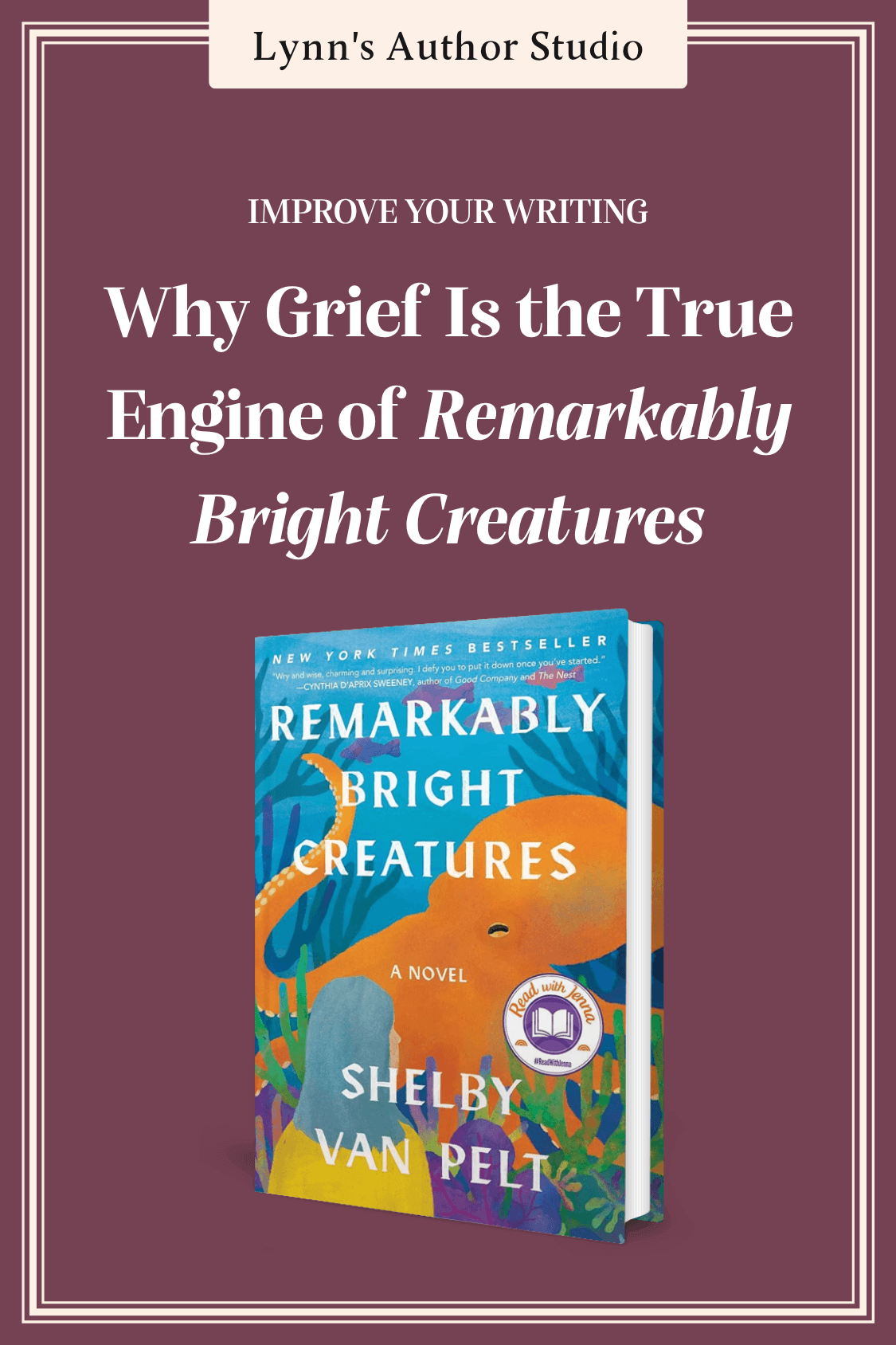
Why Grief Is the True Engine of Remarkably Bright Creatures
Remarkably Bright Creatures isn't a viral hit because of the octopus. It's a grief novel with a precise emotional engine. Here's what debut authors can learn from how Van Pelt built it.
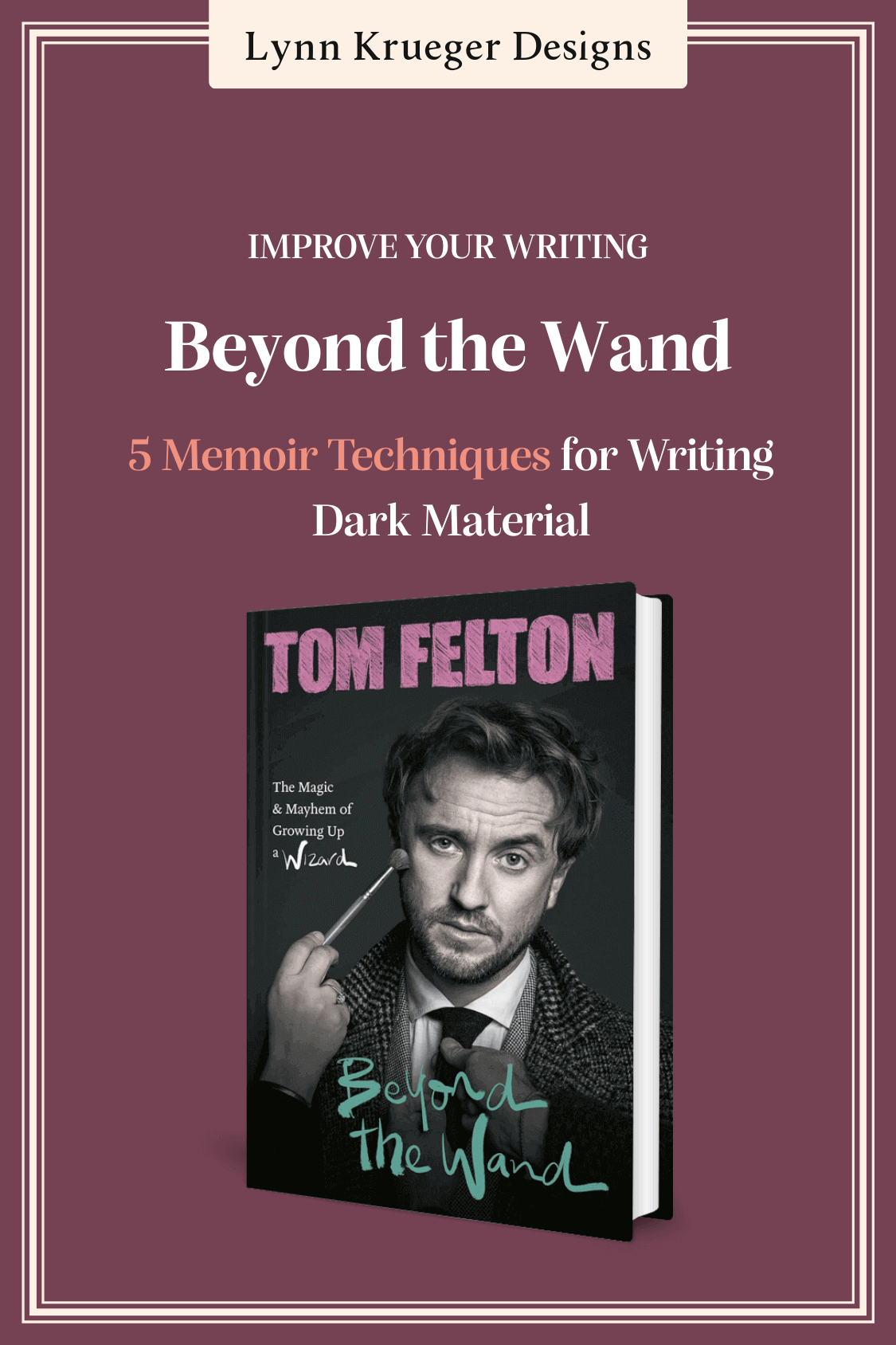
Beyond the Wand: 5 Memoir Techniques for Writing Dark Material
Discover how Tom Felton writes about alcoholism and depression without melodrama. Master 5 memoir techniques for crafting honest, powerful dark material.
Writing Authentic Emotions (Beyond Happy and Sad)
Every technique you've learned about understanding emotions becomes a tool for writing them. Today, we're bringing it all together.
You'll learn how to transform your emotional intelligence into emotional artistry—writing that doesn't just describe feelings but creates them in your readers.
This is where emotional intelligence becomes emotional artistry.

The Power of the Anthology: 5 Lessons for Short Story Writers
Master the anthology form with 5 essential lessons from folklore collections. Learn how to create story collections with unity, strategic ordering, and accumulated insight.

Using Near vs Far Enemies for Character Development: How Emotional Nuance Creates Unforgettable Characters
Readers can spot one-dimensional characters from miles away.
But characters can only be as emotionally complex as their creator understands emotions to be.
When you expand your emotional vocabulary and understanding, your characters automatically become more nuanced.

The Art of the Retelling | 5 Rules for Reimagining Folklore
Master the art of retelling folklore and fairy tales. Learn 5 essential rules for reimagining traditional stories while honoring their power and cultural context.
World-Building Through Mythology | A Folklore Research Guide
Learn how to build fictional worlds through mythology and folklore. Master the techniques oral traditions use to embed culture in story without info-dumping.

7 Fairy Tale Story Structures That Still Work Today
Master 7 fairy tale story structures that work in contemporary fiction. Learn the rule of three, transformation arcs, and more proven narrative patterns from folklore.

Finding Your Author Rhythm: The Healing Power of a Daily Writing Routine
When I read about the patients who receive cat prescriptions from the mysterious Kokoro Clinic in Syou Ishida’s We’ll Prescribe You A Cat, here’s what stuck with me:
The transformation doesn't happen in a single dramatic moment when they first meet their assigned cat. The healing unfolds slowly, through daily interactions, consistent care, and small moments of connection accumulated over time.
In the same way, building a sustainable writing career requires daily attention to your creative practice.

The Magic of Subtle Worldbuilding: Why Less is More in Magical Realism
If you’ve read We’ll Prescribe You A Cat, then you’re familiar with the mysterious clinic in Kyoto where a doctor prescribes cats as medication for every emotional ailment.
Your logical mind should be asking dozens of questions—but you're not. You're completely absorbed in the story, accepting this impossible premise as naturally as you'd accept a character ordering coffee.

How to Use Animal Symbolism in Your Fiction (5 Proven Techniques)
Master animal symbolism in fiction with 5 proven techniques from folklore. Learn to layer cultural meaning, create depth, and build symbolic systems that resonate.

Why Authors Should Study Folklore: 7 Lessons from Cat's Tales
Discover 7 writing craft lessons from Charlie Creed's Cat's Tales. Learn how folklore teaches symbolism, structure, and world-building for fiction writers.

Mastering Atmosphere: Writing Lessons from Robert Louis Stevenson's "The Body Snatcher"
Picture this: Two men on a dark road, driving a horse-drawn gig. Between them, wrapped in coarse sacking, sits a body they've just stolen from a grave.
Then one of them recognizes the corpse.
This is the heart of Robert Louis Stevenson's "The Body Snatcher"—and the moment that showcases his mastery of atmospheric writing.
Is Wild Dark Shore a Thriller? How McConaghy Bends Genre Expectations
When readers pick up Charlotte McConaghy's Wild Dark Shore, they're not always sure what they're getting. The cover looks like a thriller. The premise—family isolated on remote island, secrets, danger—sounds like a thriller. But then you start reading, and something feels different. So what is this book, exactly?

Multiple POV Done Right: Storytelling Techniques from Wild Dark Shore
Charlotte McConaghy makes a choice in Wild Dark Shore that would make most writing teachers raise an eyebrow: she uses both first person AND third person in the same book. This isn't a random choice or a stylistic quirk—it's a strategic decision that serves the story in specific ways.
The Patience of True Craft: Why Eowyn Ivey's 'Slow Publishing' Career Is Actually Brilliant
Here's a confession that might shock you: Eowyn Ivey has published exactly three novels in thirteen years.
In today's publishing landscape, where authors are told to release books annually (or faster) to stay relevant, this pace seems career suicide.
Yet Ivey's "slow publishing" approach has created one of the most enviable author careers in literary fiction.

The Power of Remote Settings: How Wild Dark Shore's Shearwater Island Drives the Story
In Wild Dark Shore, Shearwater Island isn't simply where the story takes place—it's why the story happens the way it does. Remove the isolation, the harsh weather, the rising seas, and you remove the plot itself. This is the power of a truly integrated setting. And Charlotte McConaghy wields it masterfully. Remote, isolated locations offer storytelling opportunities that urban or accessible settings simply can't provide.

Where Does Wild Dark Shore Take Place? The Real Islands Behind Shearwater
If you've read Charlotte McConaghy's Wild Dark Shore, you know the setting is as much a character as the Salt family itself. Shearwater Island feels viscerally real—the brutal winds, the crashing waves, the seals and whales and relentless isolation. So where exactly is this place? And is Shearwater Island real? Let's start with the straightforward answer, then dig into what authors can learn from how McConaghy built this world.

What Authors Can Learn from Charlotte McConaghy's Atmospheric Writing in Wild Dark Shore
Some books you read. Others you inhabit. Charlotte McConaghy's Wild Dark Shore falls firmly in the second category. From the opening pages, you're not just reading about a remote island—you're standing on it, feeling the wind tear at your clothes, tasting salt spray, hearing seals bark in the distance.
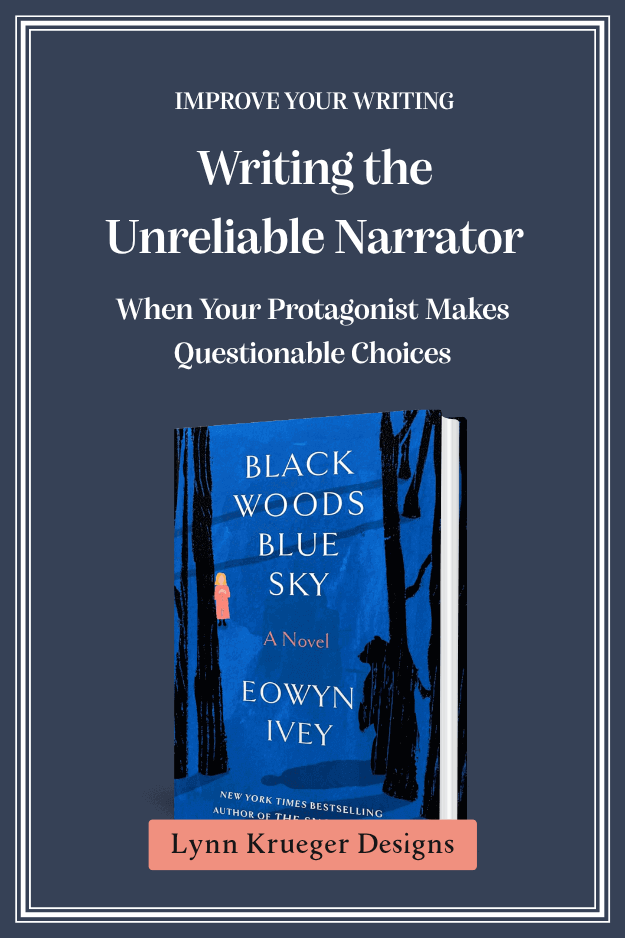
Writing the Unreliable Narrator: When Your Protagonist Makes Questionable Choices
Picture this moment from Black Woods, Blue Sky: Birdie, a single mother with a six-year-old daughter, decides to move to an isolated mountain cabin. No electricity. No running water. No way to call for help. With a man she barely knows.
Yet we can’t stop reading.
This is the paradox of the unreliable narrator: characters make questionable (or terrible) decisions that we simultaneously hate and can't stop following.
Not finding the article you’re looking for? Let’s search it up.
