Wild Dark Shore Characters: A Deep Dive into the Salt Family & What Authors Can Learn
Article 3 of the Wild Dark Shore series
Charlotte McConaghy's Wild Dark Shore centers on one family isolated on a subantarctic island. But calling them "one family" undersells how complex each person feels.

The Salts aren't just characters serving a plot. They're distinct individuals whose perspectives, flaws, and desires drive every page.
Whether you're here for a quick character refresher or you're an author studying McConaghy's craft, this post has you covered. We'll start with straightforward character introductions, then dig into what makes her character development so effective—and what you can learn from it.
Meet the Salt Family
Dominic Salt
Dom is the lighthouse keeper and patriarch. He chose this isolated life deliberately, running from a past that haunts him.
As a narrator, Dom is unreliable—partially because he lies, but also because grief and guilt distort his perception. He's a man who hears his dead wife's voice in the wind. He's protective of his children but carries secrets that threaten to destroy them all.
Rowan Jones
Rowan washes up on the island with her own agenda—one she's kept hidden from the Salt family, who both rescue her and take her in.
Rowan is practical, determined, and deeply conflicted about the choices that brought her to Shearwater Island. She narrates portions of the novel, and we slowly learn she's not quite who she appeared to be.
Her scientific background gives her a unique perspective on the island's ecosystem, but it also makes her deception more calculated. The tension between her growing attachment to the family and her hidden mission drives much of the novel's suspense.
Fen Salt
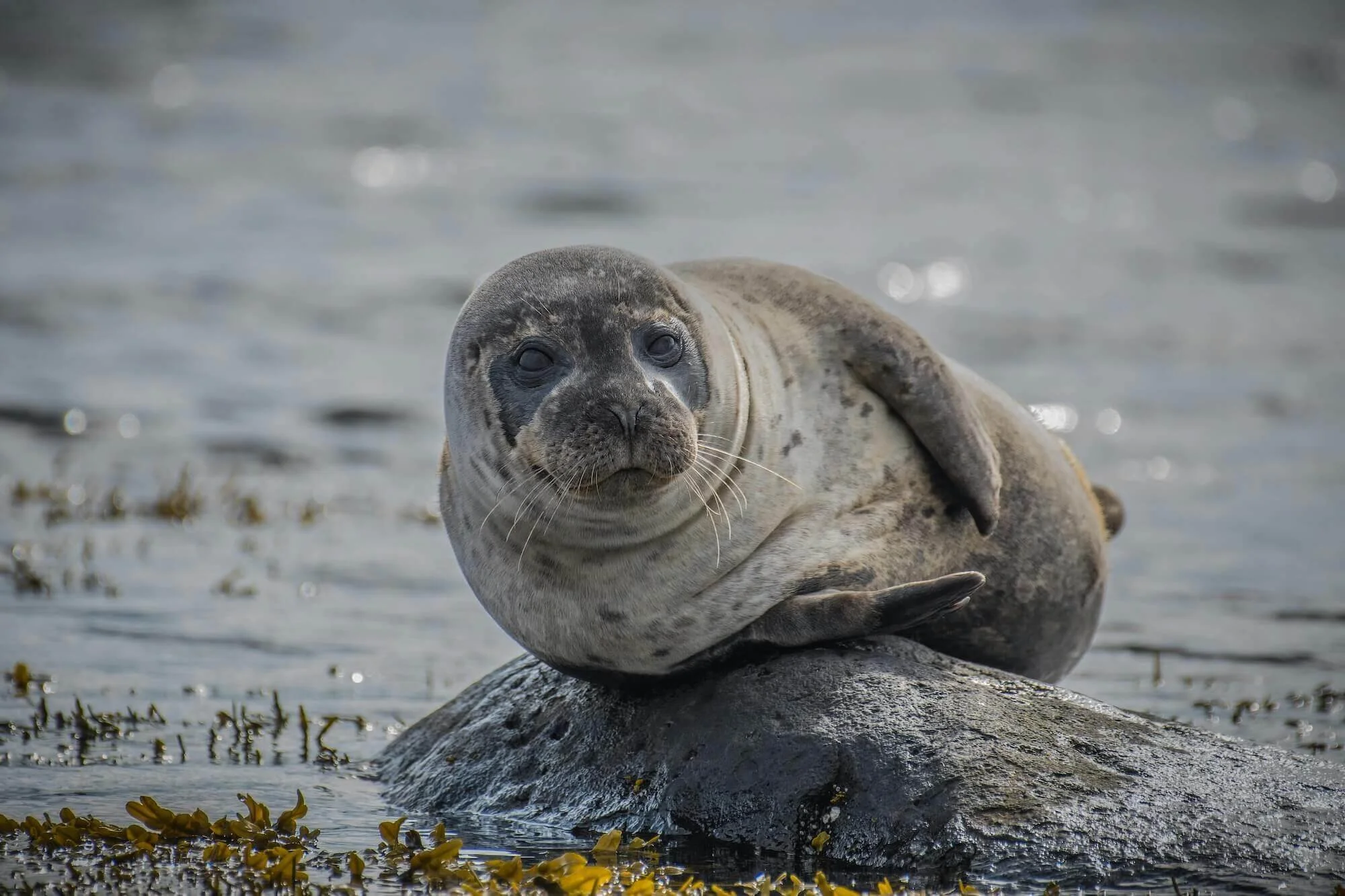
Fen is the eldest child, a teenager navigating grief over her mother's death while struggling with a hidden trauma. She has a special connection to the island's seals and serves as a bridge between childhood innocence and adult disillusionment.
She's protective of her younger siblings and suspicious of Rowan. Her anger is sharp and justified—she lost her mother, her father brought them to this isolated place, and now a stranger has arrived with unclear intentions.
Fen sees more than the adults realize. Her observations and instincts about Rowan create conflict, but they're not necessarily wrong.
Raff Salt
Raff is the middle child, sensitive and observant. He connects deeply with the island's whales and carries an old soul quality.
He processes the family's trauma differently than his siblings, though her father tries to teach Raff to process pain and anger in a more visceral, “manly” way. Raff notices things others miss, particularly the unspoken tensions between the adults.
Orly Salt
Orly is the youngest, imaginative, and surprisingly perceptive. He adores seeds and tending to the island’s seed vault.
He represents both hope and the devastating loss of innocence as the novel progresses. Orly's role as sorter of the seeds gives him purpose and connection to something larger than the family's immediate struggles. But his youth also makes him the most vulnerable member of this fractured household.
Want to catch up? Read the first post in the blog series, Wild Dark Shore by Charlotte McConaghy: A Complete Review & Analysis.

What Authors Can Learn from McConaghy's Character Development
Now let's examine what makes these characters work so well—and how you can apply these techniques to your own writing.
1. Give Each Character a Distinct Relationship with the Setting
Here's what McConaghy does brilliantly: she doesn't just plop five people on an island. Each Salt family member connects to Shearwater differently.
Fen bonds with seals. Raff listens to whale songs. Orly tends the seeds. Dom maintains the lighthouse.
Don't just describe your setting—show how each character uniquely interacts with it.

This technique serves double duty. It makes your setting feel alive while simultaneously deepening characterization.
Raff's connection to whale songs tells us he's sensitive and attuned to beauty. Fen's relationship with seals shows her need for connection outside her fractured family.
When you're building your own story world, ask yourself: how does each character experience this place differently?
What does their interaction with the environment reveal about who they are?
2. Use Limited POV to Create Mystery and Tension
Wild Dark Shore uses first-person narration for Dom and Rowan, but third-person for Fen and Raff. This isn't arbitrary—it's strategic.
We're inside Dom and Rowan's heads, yet they're both unreliable in different ways. Dom is haunted and withholding information. Rowan is actively deceiving everyone, including the reader.
Meanwhile, we observe Fen and Raff from outside. We see their actions and hear their dialogue, but we don't have full access to their interior lives.
This creates sympathy and protectiveness. We worry about them precisely because we can't always know what they're thinking.
POV choice shapes reader trust and emotional distance.
First person creates intimacy but also potential unreliability. Third person can create protective distance or dramatic irony.
McConaghy uses both in one novel to control exactly how we feel about each character. That's sophisticated craft that elevates this book from good to exceptional.
3. Let Children Be Children (But Give Them Agency)
One of the hardest things to write convincingly? Children who feel like actual children—not miniature adults or plot devices.
McConaghy nails this. Fen, Raff, and Orly think and speak like real kids. They misunderstand adult situations. They latch onto details adults might miss. They're simultaneously perceptive and naive.
But here's the key: they're never passive. Each child makes choices that affect the plot.
Orly's relationship with the seeds isn't just cute—it's narratively essential. Fen's suspicion of Rowan drives tension.
If you're writing child characters, let them be authentically young while still giving them meaningful roles in your story.
They should think like kids but still have agency and impact. That balance is what makes them feel real.
4. Build Conflict Through Competing Valid Perspectives
The genius of this family is that no one is simply "wrong."

Dom chose isolation to protect his children. Rowan came to the island for reasons she believes justify her deception. Fen's anger is completely understandable.
Everyone has legitimate grievances and sympathetic motivations.
The best conflict comes from opposing characters who are both right from their own perspective.
Avoid clear villains in favor of complicated people making difficult choices. This is what elevates Wild Dark Shore from thriller to literary fiction.
The suspense comes not from external danger alone, but from the painful reality that these people are developing connections while also potentially destroying each other.
5. Use Secrets to Control Pacing
McConaghy parcels out information about each character gradually. We learn Dom's backstory in pieces. Rowan's true purpose is revealed slowly. Even the children have secrets.
But here's what's crucial: the secrets are revealed at different speeds. Some mysteries resolve early, creating new questions. Others linger until near the end.
Don't save all revelations for the climax.
Stagger your reveals to maintain momentum throughout your novel. Answer some questions early to build trust with readers, then deepen remaining mysteries.
This technique keeps readers turning pages. They're not waiting for one big reveal—they're constantly receiving new information that reshapes their understanding.
6. Show Love Through Specific, Imperfect Gestures

The relationships in this novel are complicated. Dom and Rowan are drawn to each other despite secrets and suspicion. The children are grieving and wary.
Yet we feel the growing connections. Why? Because McConaghy shows care through small, specific, sometimes clumsy actions.
Don't tell us characters care about each other—show it through specific, even flawed, actions.
Imperfect connection feels more real than perfect devotion. Your readers will engage more deeply with characters who reach for each other messily and imperfectly.
The Bigger Picture: Family as Microcosm
The Salt family isn't just five interesting people. They're a microcosm for larger themes in the novel—climate grief, impossible choices, the cost of survival, what we owe each other when the world is ending.
Each character represents a different response to crisis. Dom's guilt and attempt to hide. Rowan's desperate action. Fen's anger. Raff's quiet observation. Orly's hope mixed with magical thinking.
When you're writing multiple characters, especially in a family or tight-knit group, consider how they can each embody different aspects of your novel's central themes.
This creates resonance between character and meaning. It makes your story feel cohesive and intentional.
Final Thoughts
McConaghy's character work in Wild Dark Shore demonstrates that great characterization isn't about making people likable. It's about making them real.
Complicated. Contradictory. Capable of both tenderness and cruelty.
The Salt family stays with you not because they're perfect, but because they're painfully, recognizably human. If you want to study character development, this novel is a masterclass.
For more on Charlotte McConaghy's craft and what authors can learn from Wild Dark Shore, check out: