The Power of Remote Settings: How Wild Dark Shore's Shearwater Island Drives the Story
Article 8 of the Wild Dark Shore series
Some settings are just backdrops. Others are the story.
In Wild Dark Shore, Shearwater Island isn't simply where the story takes place—it's why the story happens the way it does. Remove the isolation, the harsh weather, the rising seas, and you remove the plot itself.

This is the power of a truly integrated setting. And Charlotte McConaghy wields it masterfully.
Remote, isolated locations offer storytelling opportunities that urban or accessible settings simply can't provide.
Today we're exploring how McConaghy uses Shearwater's remoteness to drive plot, deepen character, heighten tension, and explore themes. Then we'll break down how you can harness the power of remote settings in your own work—regardless of genre.
Let's dive in.
If you haven't read my complete review and analysis of Wild Dark Shore, start there for full context on the book and its themes.

Why Remote Settings Work So Well in Fiction
Before we analyze Shearwater specifically, let's talk about why isolated locations show up so frequently in compelling fiction.
Remote settings strip away the cushions of modern life. No calling for help. No escaping to a coffee shop when things get awkward. No backup plan.
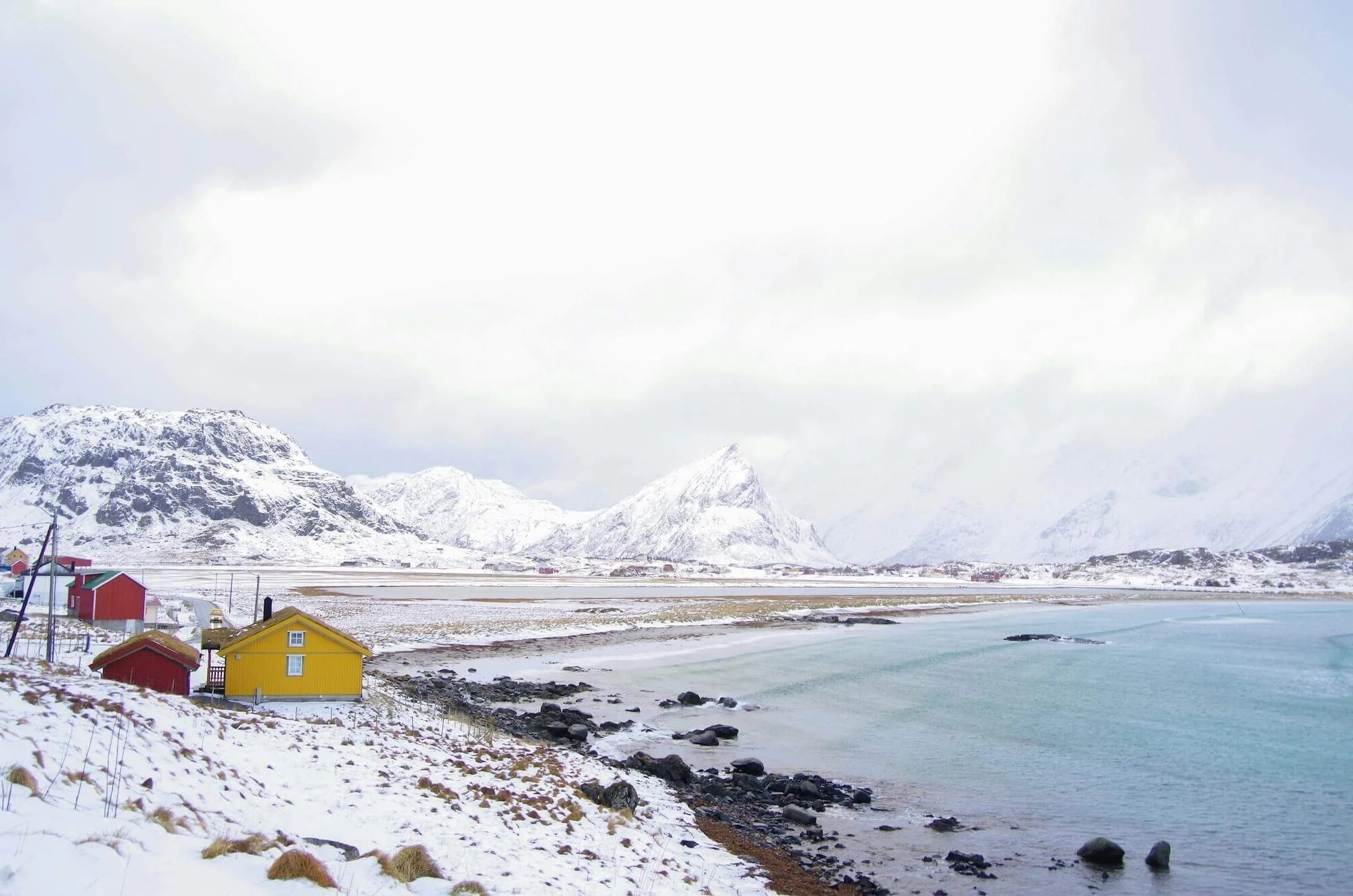
Isolation forces characters to deal with each other and themselves—there's nowhere to hide.
This creates natural tension and raises stakes. A minor disagreement in a city might end with someone leaving. The same disagreement on a remote island becomes a crisis because leaving isn't an option.
Remote settings also eliminate distractions. When you can't escape into Netflix, social media, or crowds, you're left with the people present and your own thoughts.
For character-driven fiction, this forced intimacy is gold.
Additionally, remote settings often feature harsh or unpredictable nature. Weather becomes an antagonist. The landscape creates obstacles. Survival itself requires attention.
This external pressure intensifies whatever internal drama your characters are experiencing.
Shearwater Island: More Than a Setting
Let's look at how McConaghy uses Shearwater specifically.
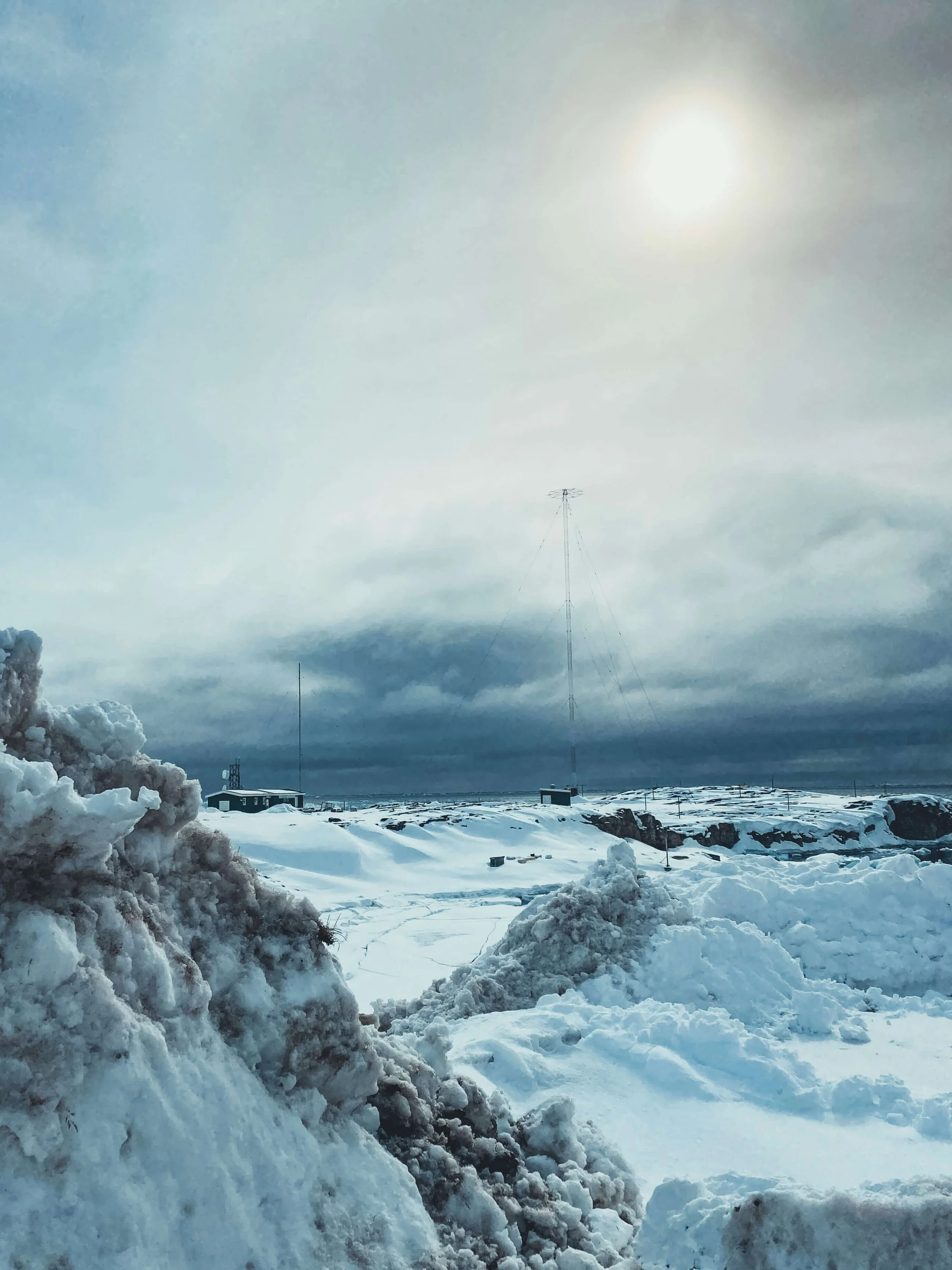
The island sits somewhere between New Zealand and Antarctica—about as remote as you can get. It's subantarctic, meaning brutal weather and zero margin for error.
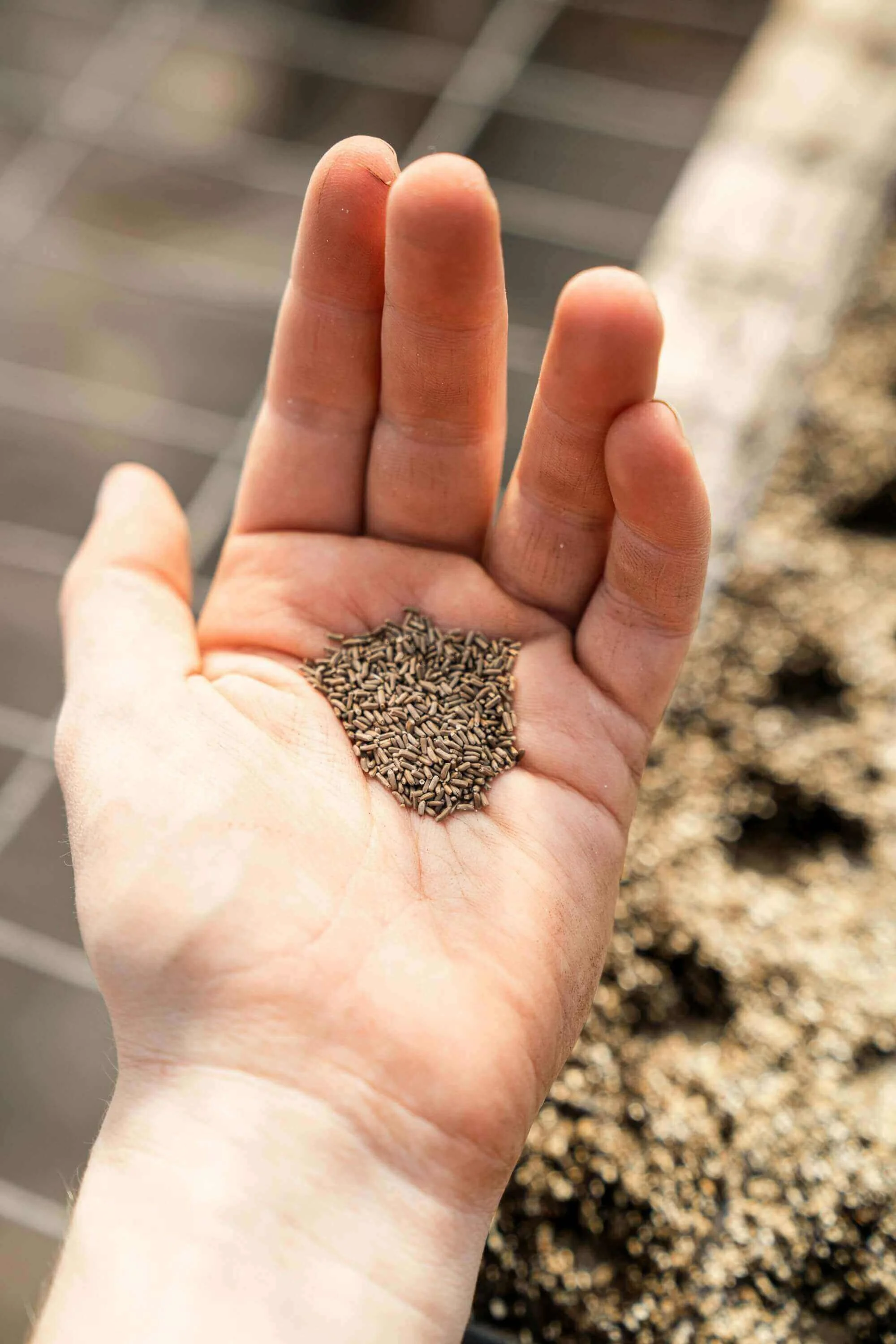
It houses (housed) a research station with the world's largest seed vault, humanity's insurance policy against climate collapse. Now the researchers have fled rising seas, leaving only the Salt family to pack up what can be saved.
McConaghy based Shearwater on real Macquarie Island, but she shaped every detail to serve her story.
The island is beautiful—king penguins, elephant seals, albatross families. But it's also deadly—storms that can kill, seas that rise, isolation that crushes.
This duality mirrors every character in the book. Beautiful and damaged. Valuable and threatened. Worth fighting for and maybe already lost.
Function #1: Isolation Creates Inescapable Conflict
The most obvious function of Shearwater's remoteness: characters can't leave when things get difficult.
When Rowan washes ashore after the storm destroys her boat, she's stuck. She's trapped with this family regardless of whether she trusts them or they trust her.
The island becomes a pressure cooker with no release valve.
Dominic and his children have lived in isolation for years. They've developed their own ecosystem, their own rules, their own secrets. Rowan's arrival disrupts that fragile balance.
In a different setting, these people could avoid each other. Rowan could stay in a hotel. The kids could escape to friends' houses. Dominic could lose himself in work elsewhere.

On Shearwater, there's one lighthouse and nowhere else to go.
This forced proximity means every conflict must be addressed rather than avoided. Every secret eventually surfaces because there aren't enough places to hide them.
For your own writing: if your characters can simply walk away from conflict, they probably will. Trap them in a space—literally or metaphorically—and watch what happens.
Function #2: The Environment Becomes an Active Threat
Shearwater doesn't just host the story—it actively threatens the characters throughout.
The storm that brings Rowan nearly kills her. The rising seas will eventually swallow the island entirely. The weather can turn deadly without warning. The isolation means injury or illness becomes life-threatening.
The island keeps characters in a constant state of alertness and vulnerability.
This external threat serves multiple purposes. It creates immediate physical danger that drives plot. It mirrors the characters' internal states. And it forces cooperation even when trust is broken.
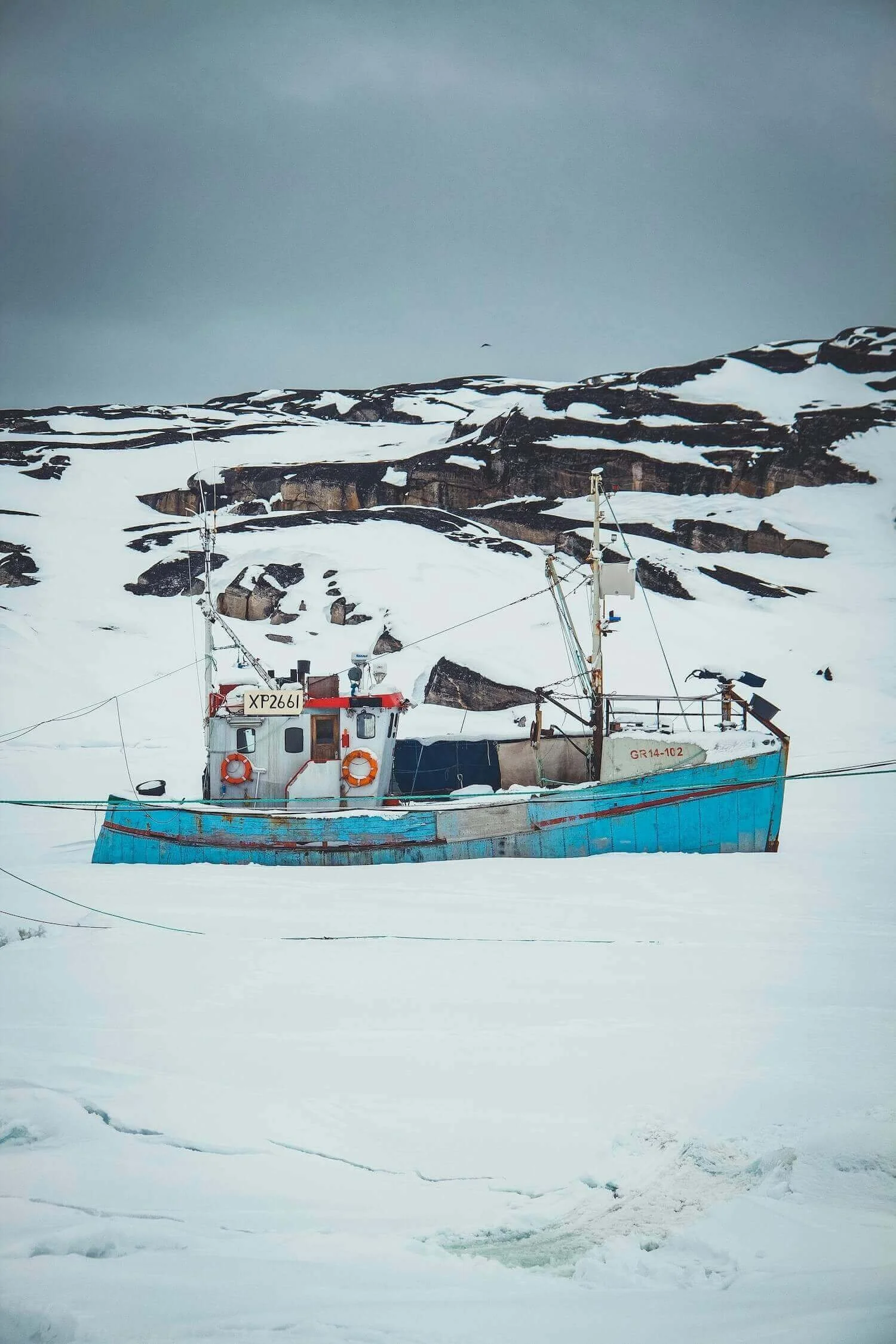
When a massive storm hits, old conflicts become temporarily irrelevant. Survival requires working together despite suspicions and secrets.
Nature doesn't care about your interpersonal drama—and that indifference becomes its own kind of antagonist.
Compare this to a story set in a safe, climate-controlled environment. Without external pressure, internal conflicts can feel manufactured or easily avoidable.
The island provides constant external pressure that makes internal conflicts more urgent and unavoidable.
Function #3: Limited Resources Create Stakes
On Shearwater, everything is finite and irreplaceable.
Food supplies are limited. Communication equipment is limited (and sabotaged). Medical supplies are limited. The seed vault itself forces impossible choices about what to save and what to let go.
Scarcity creates stakes and forces decisions.
When Dominic realizes they can't evacuate all the seeds, he must choose which species survive. This isn't an abstract ethical dilemma—it's immediate and consequential.
When the radios are destroyed, the family can't call for early evacuation even if they want to. They're committed to six months regardless of what happens.
Every resource matters because there's no running to the store for more.
This scarcity thinking permeates the book. Characters are constantly calculating: how much food is left, how much time until the ship arrives, what they can afford to sacrifice.
For your own remote settings: identify what's scarce and make your characters feel that scarcity viscerally. Limited food, water, time, medical supplies, ammunition, whatever matters in your story.
Function #4: Nature Reflects and Amplifies Internal States
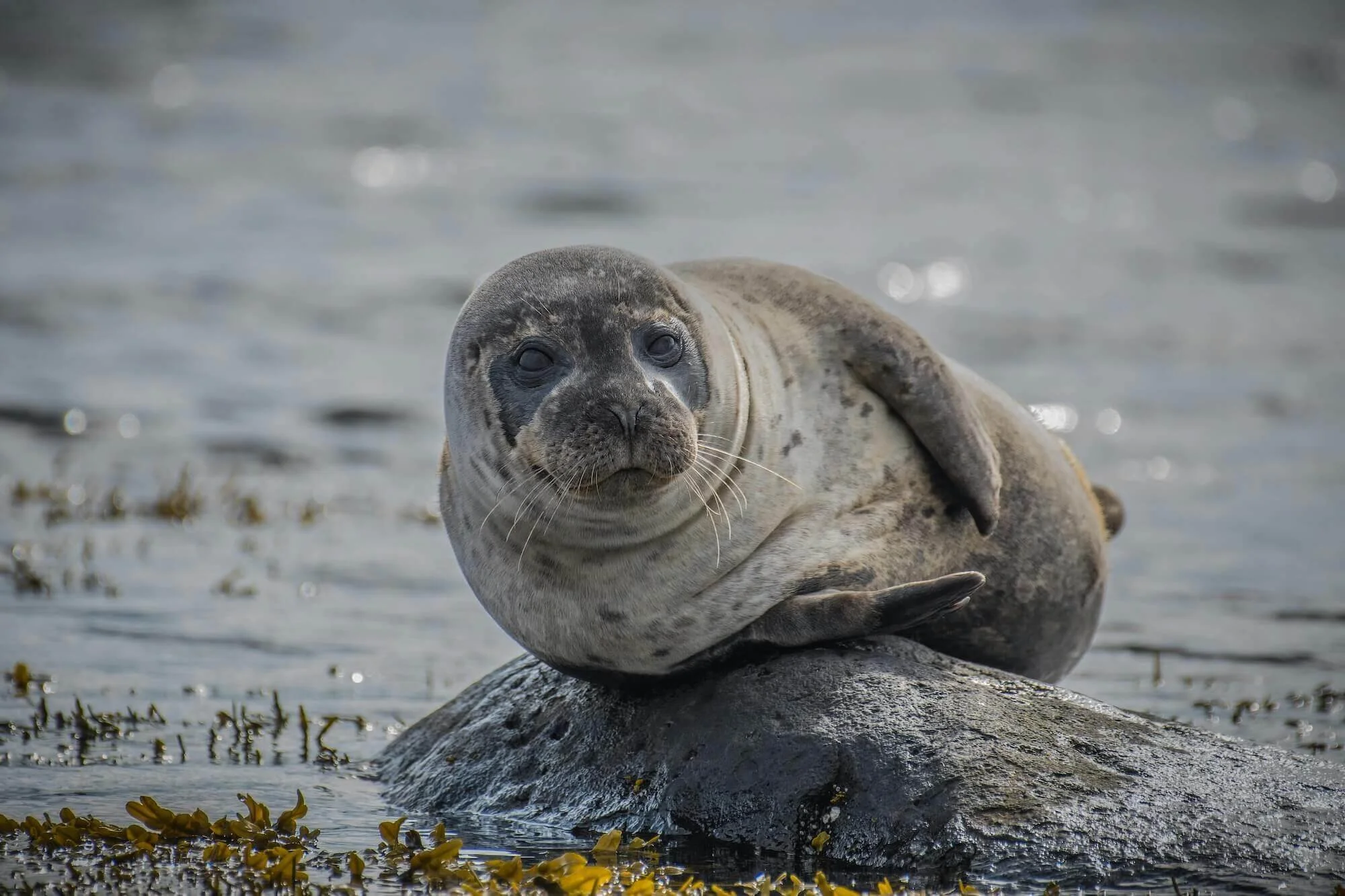
McConaghy uses the island's natural elements to externalize what characters feel internally.
When grief overwhelms Dominic, the wind howls and he hears his dead wife's voice. When secrets threaten to surface, storms gather. When characters feel trapped, the seas literally rise around them.
This isn't heavy-handed symbolism—it's resonance.
The physical isolation mirrors emotional isolation. The island's beauty coexisting with danger mirrors the characters' own damage and resilience. The question of what to save from the seed vault mirrors larger questions about what we preserve when we can't save everything.
I discussed McConaghy's atmospheric techniques in detail in my previous post about what authors can learn from her atmospheric writing—the two concepts work together powerfully.

The remote setting becomes a canvas for psychological and emotional exploration.
In a busy, populated setting, it's harder to create this kind of resonance. The environment is too varied, too human-controlled, too full of distractions.
Remote settings—especially natural ones—offer purity of metaphor without feeling forced.
Function #5: Isolation Heightens Every Relationship
With only five people on the island (after Rowan arrives), every relationship carries enormous weight.
There are no casual acquaintances, no buffer people, no escape into anonymity. Your family is everyone. The stranger who washes ashore becomes immediately significant because there's literally no one else.
This intensifies every interaction and makes every relationship consequential.
The developing attraction between Rowan and Dominic isn't just romance—it's potentially the only adult relationship either might have. The children's attachment to Rowan isn't just liking a visitor—it's desperate hope for something new in their isolated existence.
The conflicts between family members can't dissipate through time apart. They live in the same lighthouse, eat meals together, rely on each other for survival.
Every kindness matters more. Every cruelty cuts deeper.
For writers: if you want to explore the complexity of human relationships without subplot clutter, isolation is your friend. Reduce the cast to essentials and watch how relationships deepen.
Function #6: The Setting Embodies Theme
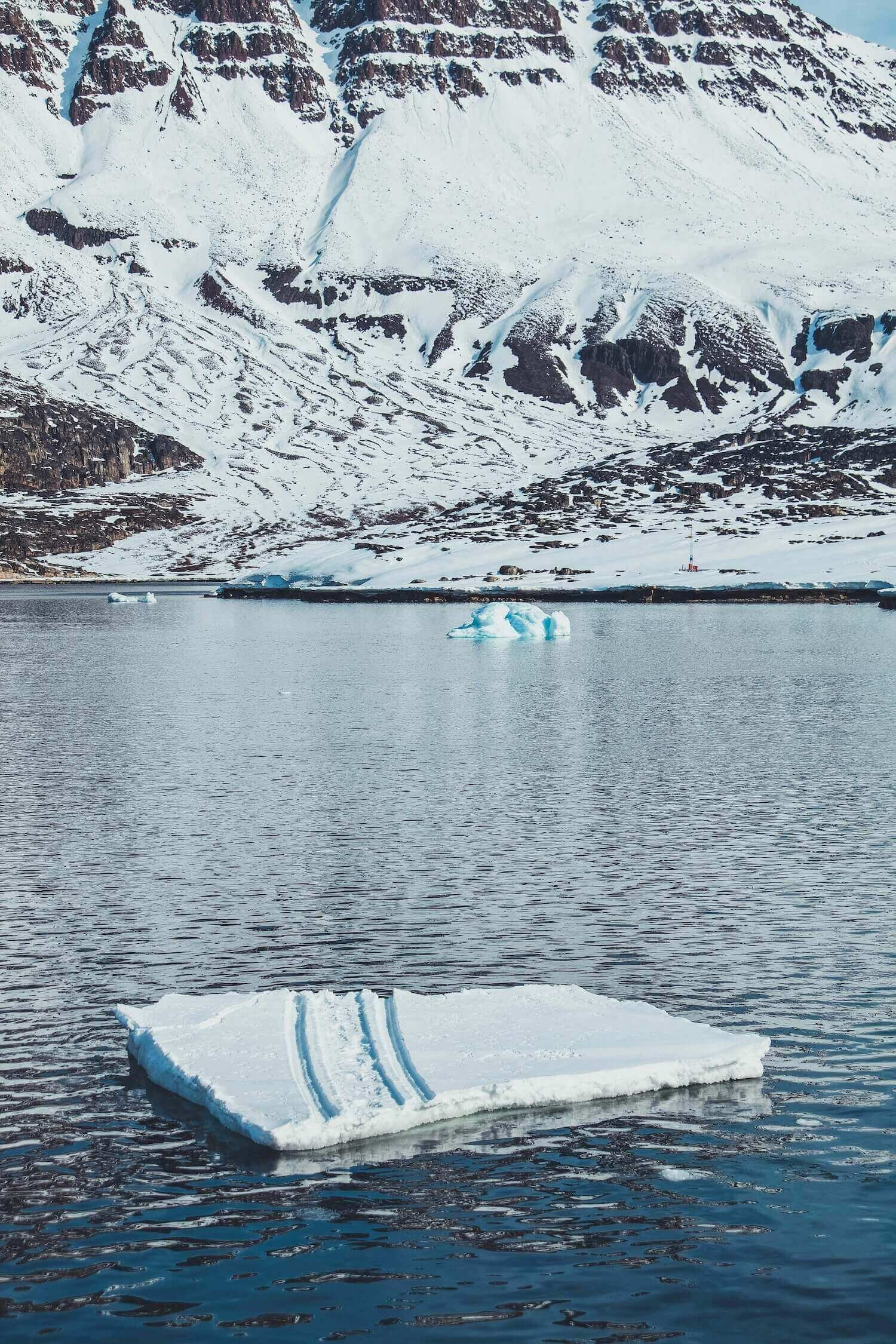
Wild Dark Shore explores climate change, conservation, sacrifice, and hope in the face of collapse. Shearwater Island embodies all of these themes physically.
The rising seas aren't abstract future threat—they're actively claiming the island. The seed vault isn't theoretical preservation—it's tangible seeds that must be chosen or abandoned. The question "what do we save?" isn't philosophical—it's immediate.
McConaghy chose this setting because it makes her themes concrete and unavoidable.
The island is climate change made visible. Its remoteness is humanity's isolation from natural systems made literal. The pressure to decide what matters is embodied in the weight of those seed containers.
This is sophisticated storytelling: choosing a setting that doesn't just host your themes but incarnates them.
For your own work: if you have themes you want to explore, ask yourself what setting would make those themes physical and inescapable rather than abstract.
Function #7: Remote Settings Create Unique Plot Possibilities
Certain plot developments only work in isolated settings.
A sabotaged radio is inconvenient in a city. On Shearwater, it's a crisis. A person washing ashore is unusual anywhere, but on a remote island with no regular visitors, it's an event that changes everything.
The limitations of remote settings become opportunities for specific kinds of stories.

McConaghy can explore mysteries, secrets, and trust issues in ways that wouldn't work with easy access to outside verification or help. She can create genuine life-or-death stakes from situations that would be minor inconveniences in populated areas.
The remoteness also allows her to sidestep certain logistical complications. No need to explain why characters don't just call the police or check something online. Those options don't exist.
Isolation gives you creative permission to simplify while simultaneously raising stakes.
How to Use Remote Settings in Your Own Writing
Let's make this actionable. You don't have to write about Antarctic islands to benefit from these principles.
Choose Remoteness That Serves Your Story
Not all stories need remote settings, but if yours does, be specific about why. What does the isolation provide that a populated setting couldn't?
If the answer is just "atmosphere," that's probably not enough. The remoteness should be functional, not decorative.
Make the Environment an Active Participant
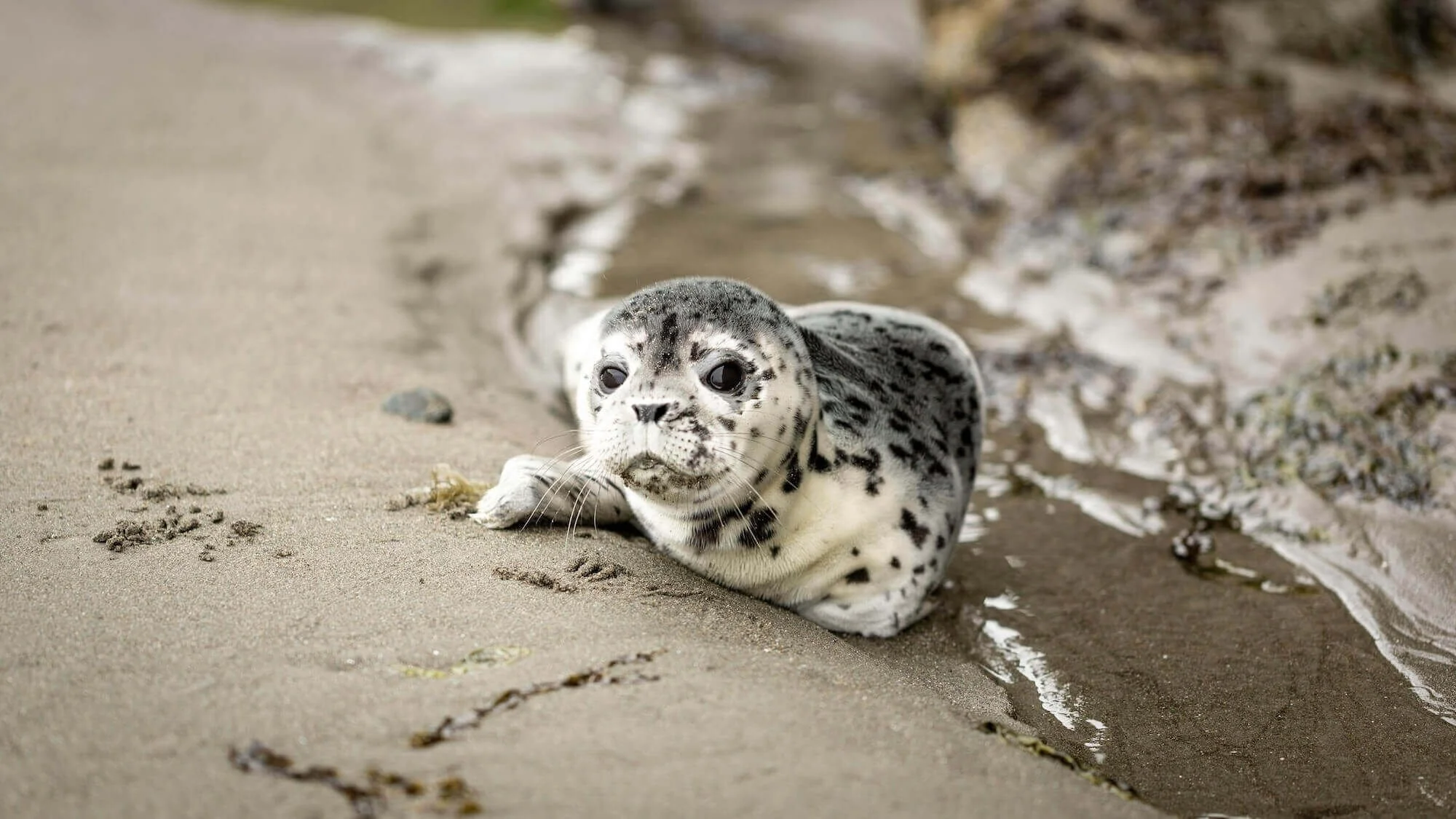
Your remote setting shouldn't just sit there looking pretty. Give it weather, geography, flora/fauna that affects what characters can and can't do.
Create weather that threatens. Terrain that challenges. Resources that matter.
If your characters could ignore the setting entirely and the story would work the same, your setting isn't pulling its weight.
Use Isolation to Force Character Interaction
Identify conflicts your characters would normally avoid or delay. Now trap them in close quarters with no escape.
This works whether your setting is a literal island, a remote cabin, a snowbound house, a spaceship, or even just an emotional isolation that prevents escape.
Establish Geography and Limitations Early
We need to understand the physical reality of your remote setting quickly. How far from help? What resources are available? What dangers exist?
Don't info-dump, but ground us in the practical realities.
In Wild Dark Shore, we learn quickly: one lighthouse, one family, research station recently abandoned, ship coming in six months. That's the whole game board, and we understand it immediately.
Let Scarcity Create Stakes
Decide what's limited in your remote setting and make your characters feel that limitation. Force choices based on scarcity.
Limited food, water, ammunition, medicine, time, energy, options—whatever matters in your story.
Connect External Environment to Internal Landscape
Look for ways the physical setting can resonate with emotional or thematic content without being obvious about it.
A character feeling trapped might notice the walls closing in. A character seeking clarity might focus on the endless horizon. A character drowning in grief might observe rising water.
Don't Make It Easy
The whole point of remote settings is that they're difficult. Lean into that difficulty. Make your characters work for every small comfort. Make the setting demand respect.
If your remote island has WiFi and DoorDash, it's not really remote.
Remote Settings Across Genres
This approach isn't limited to literary fiction or thrillers. Remote settings work across genres when used strategically.
Romance: Forced proximity in isolation creates the classic romance trope. Two people who must spend time together and can't escape their growing feelings.
Horror: Isolation + threat = nowhere to run. Remote settings amplify fear because help can't arrive.
Fantasy: Remote settings allow worldbuilding focus without overwhelming readers. Establish the rules in one location before expanding.
Science Fiction: Spaceships, research stations, colony planets—sci-fi thrives on isolated settings where stakes are life-or-death.
Mystery/Thriller: Limited suspects, no outside interference, everyone trapped with the threat. Classic locked-room mystery principles.
Contemporary Fiction: Even realistic stories benefit from isolation—a character returning to their remote hometown, a family vacation in a cabin, a retreat that goes wrong.
The genre changes, but the principles remain consistent.
Common Mistakes with Remote Settings
Let's talk about what NOT to do.
Mistake #1: Remoteness Without Consequence
If your characters are on a remote island but it never actually matters—they never lack anything, weather never threatens, isolation never affects them—why bother with the remote setting?
Mistake #2: Convenient Modern Technology
Don't give your isolated characters cell service and internet unless you have a specific plot reason. Those eliminate most of the advantages of remoteness.
Mistake #3: Easy Rescue
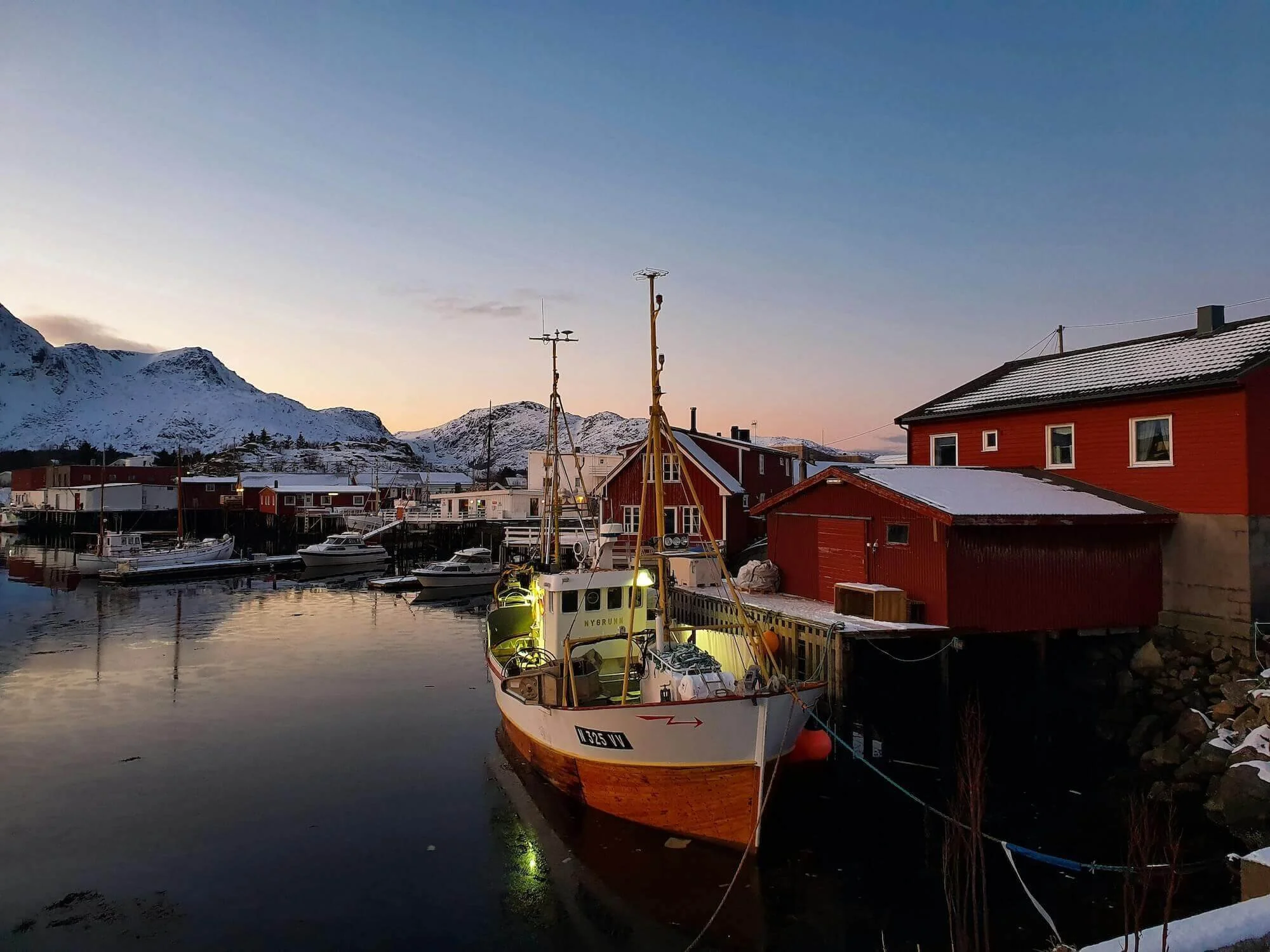
If help can arrive whenever needed, tension evaporates. Establish early why help isn't coming or can't arrive quickly.
Mistake #4: Ignoring Physical Realities
Remote settings require planning. How do people get food? Water? Heat? If you ignore logistics, readers notice.
Mistake #5: Using Remoteness Only for Aesthetics
Pretty descriptions of wilderness aren't enough. The remoteness should actively affect plot, character, and theme.
The Psychological Impact of Isolation
One element McConaghy handles brilliantly: the psychological toll of prolonged isolation.
The Salt family has lived on Shearwater for years. This isn't a weekend camping trip—it's their life. And it shows.
The children have adapted in different ways: Fen seeks solace with seals, Raff channels pain into music and violence, Orly develops anxiety about the future. Dominic hears his wife's voice in the wind.
Extended isolation changes people, and McConaghy doesn't shy away from that reality.
When Rowan arrives, she's an outsider entering an ecosystem that's already adapted to isolation. The family's behavior seems strange to her (and to us), but it makes sense given their circumstances.
For your own isolated settings: consider how long your characters have been there and how isolation has shaped them. Someone isolated for days behaves differently than someone isolated for months or years.
When Remote Settings Don't Work
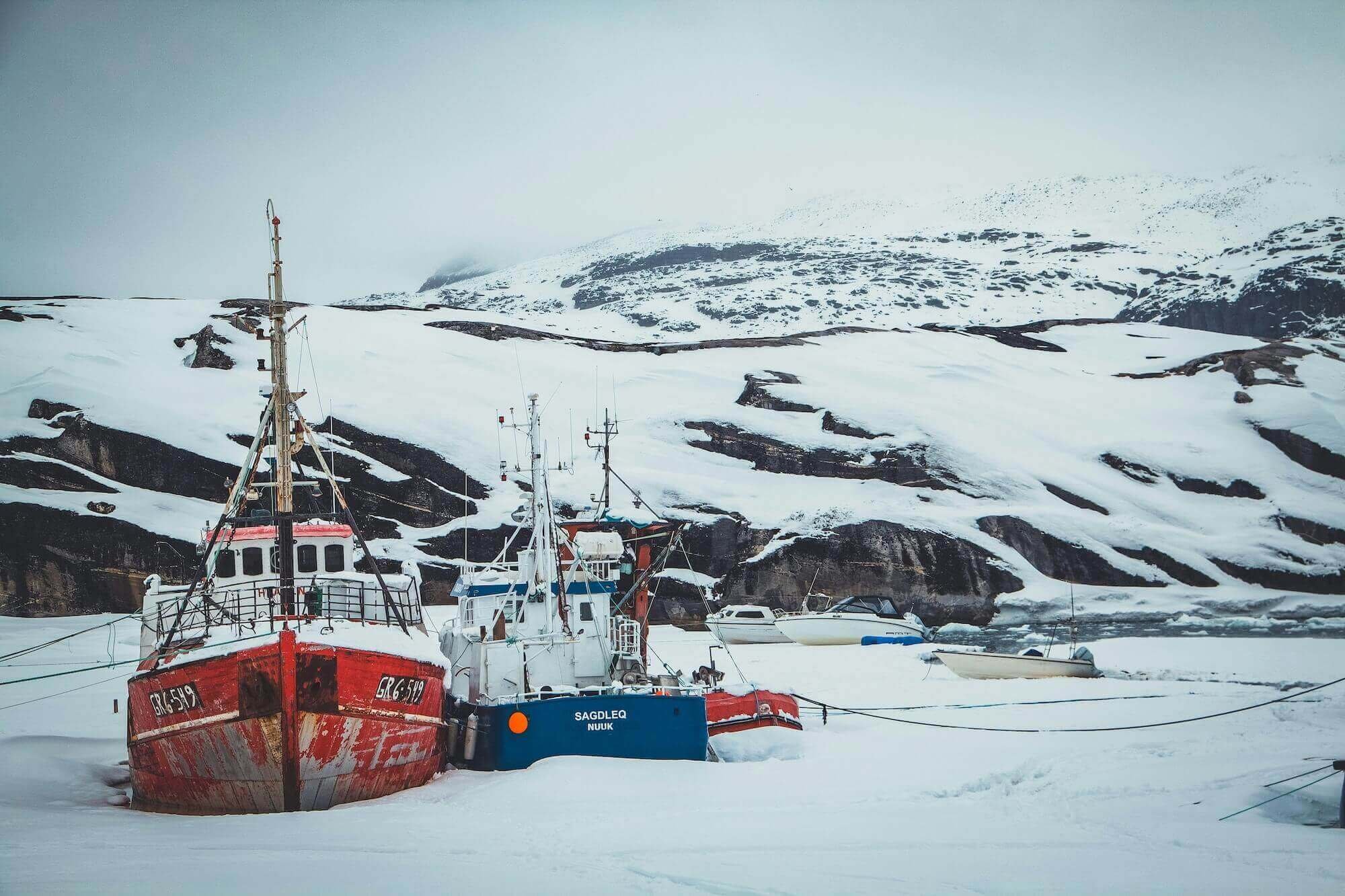
Not every story benefits from remoteness. Here's when to reconsider.
If your story requires lots of characters or complex social dynamics, remoteness limits options. If your plot needs characters to access various resources or locations, isolation creates problems. If your themes center on community or society, removing your characters from those contexts undermines your purpose.
Choose remote settings because they serve your specific story, not because they're trendy or atmospheric.
McConaghy chose Shearwater because isolation, environmental threat, and forced proximity were essential to everything she wanted to explore. The setting isn't arbitrary—it's the only place this story could happen this way.
Ask yourself the same question: is this the only place my story could happen? If the answer is no, either change your story or change your setting.
The Lasting Impact of Powerful Settings
Here's why all this matters: readers remember powerful settings as vividly as they remember characters.
People who read Wild Dark Shore will remember Shearwater Island for years. The cold, the seals, the rising seas, the isolation. It becomes part of the reading experience they can't separate from the story.
When setting is this integrated, it becomes inseparable from theme, character, and plot.
This is the difference between a story that happens to take place somewhere and a story that could only happen in that specific place.
Aim for the latter. Choose settings that aren't just stages but active participants in your narrative.
Keep Exploring
We've covered a lot about how McConaghy uses Shearwater's remoteness, but there's more to unpack about her craft—her use of multiple POV, her approach to climate themes, her character development techniques.
I'll continue diving deep into what makes Wild Dark Shore work so well and how you can apply these lessons to your own writing, regardless of genre.
Every element of craft is a tool you can master with study and practice.
And analyzing writers who excel at specific techniques—like McConaghy's use of remote settings—accelerates your learning more than any generic writing advice ever could.
Want to catch the next post in this series? Subscribe below for updates plus exclusive writing insights you won't find anywhere else.
Ready to find your own creative foundation?
You've just explored how the right setting transforms a story from backdrop to beating heart. The same principle applies to your author platform—the right foundation shapes everything you build on top of it. This quick quiz matches you with the website platform that fits your technical comfort and creative vision.