
Inspire, Don't Just Sell: How Best-Selling Authors Build Devoted Readerships

Article 4 of The World Famous Author Series
You post on social media: "My new book is out! Link in bio."
You send newsletters: "Preorder now and get exclusive bonuses!"
You write blog posts: "Five reasons you should read my latest release."
And crickets.

Most authors approach marketing like a transaction. They ask readers to buy, review, share, and support without offering anything deeper.
But in “World Famous: How to Create a Kick-Ass Brand,” David Tyreman shares how world-famous brands never lead with transactions—they lead with inspiration.
People don't buy from brands they like. They buy from brands that make them feel something powerful about themselves.
The Difference Between Selling and Inspiring
When Nike puts out an ad, they don't talk about shoe features or prices. They show athletes pushing past their limits, ordinary people achieving extraordinary things.
The message isn't "Buy our shoes." It's "You're capable of more than you think."
Nike doesn't sell athletic gear—they sell the identity of being an athlete.
When Patagonia creates content, they don't just showcase their jackets. They share stories about environmental activism, sustainability, and protecting wild places.
The message isn't "Buy our products." It's "You can make a difference for the planet."
Patagonia doesn't sell outdoor gear—they sell the identity of being an environmental steward.
The same principle applies to authors, but most never make this crucial shift.
Authors who inspire build movements. Authors who only sell build marketing fatigue.
What Readers Actually Want From You

Here's what most authors misunderstand: readers don't follow you just because they liked your book.
They follow you because of how you make them feel about themselves.
Your books are entry points, but your author brand is what builds devotion.
Think about the authors whose newsletters you actually read, whose social posts you engage with, whose content you consume even between book releases.
Why do you follow them?
It's not because they constantly ask you to buy. It's because they consistently offer something that enriches your life—perspective, encouragement, understanding, permission, validation.
They inspire you to see yourself or the world differently.
Glennon Doyle doesn't just promote her books. She shares raw truths about life, relationships, and self-trust that make readers feel brave enough to question everything.
Her readers aren't just book buyers—they're part of a movement reclaiming their own knowing.
Austin Kleon doesn't just market his creativity books. He shares daily inspiration about the creative process that makes readers feel capable of making their own art.
His readers aren't just customers—they're fellow creatives he's walking alongside.
These authors built devoted followings because they consistently inspire identity transformation, not just purchases.
The Identity Shift That Creates Devotion

Tyreman discovered that world-famous brands help customers step into aspirational identities.
They don't sell products—they sell who you become when you engage with their brand.
The most powerful question an author can ask: "Who do my readers become when they engage with my work?"
Not "Who are they now?" but "Who are they becoming?"
Maybe your thriller readers become more aware of psychological manipulation and better able to protect themselves.
Maybe your romance readers become more willing to believe they deserve epic love.
Maybe your fantasy readers become more comfortable with their own complexity.
When you understand the identity shift your work creates, everything changes.
Your content stops being about "Buy my book" and starts being about supporting that transformation.
Your social media becomes a space where readers practice that new identity. Your newsletters nurture the growth you're helping them achieve. Your entire platform supports who they're becoming.
This is how you build a devoted readership that can't wait for everything you create.
Moving Beyond Transactional Marketing
Most author marketing advice focuses on tactics: post three times a day, use these hashtags, send weekly newsletters, host giveaways.

But tactics without inspiration create noise, not connection.
Readers can sense when you're performing marketing rather than offering genuine value.
Transactional marketing asks: "What can I get from readers?"
Inspirational marketing asks: "What can I give to readers?"
This shift sounds subtle, but it transforms everything.
Instead of posting "My book releases in two weeks!"—you share a personal story about why you wrote it and what you hope readers gain from it.
Instead of begging for reviews—you create content that helps readers articulate why books matter to them.
Instead of promoting constantly—you inspire consistently.
The World Famous Author framework centers on building brands that serve readers first and sell second.
This doesn't mean you never promote your work. It means promotion becomes natural when you've been consistently valuable.

What Inspiration Actually Looks Like for Authors
Let's get practical. What does it mean to inspire readers between book releases?
It means creating content that aligns with the identity transformation your books facilitate.
If your books help readers feel braver, your content should encourage courage.
Maybe you're a women's fiction author whose books explore finding yourself after loss. Your inspiration content might share stories of personal reinvention, quotes about resilience, prompts for self-reflection.
You're not promoting books—you're supporting the transformation your books facilitate.
If your books help readers question assumptions, your content should spark curiosity.
Maybe you're a sci-fi author whose books examine technology's impact on humanity. Your inspiration content might share thought-provoking articles about AI ethics, questions about privacy, perspectives on digital life.
You're not marketing—you're continuing the conversation your books started.

If your books help readers believe in magic, your content should cultivate wonder.
Maybe you're a fantasy author whose books remind readers that extraordinary things exist. Your inspiration content might celebrate small moments of magic in ordinary life, share folklore, explore the power of imagination.
You're not selling—you're nurturing the feeling your books create.
The content that inspires is always aligned with the transformation your books offer.
The Cause-Driven Author Approach
Tyreman found that world-famous brands often center on causes larger than their products. They stand for something meaningful that customers want to support.
Authors can do the same by connecting their work to larger missions.
This doesn't mean you need to become an activist if that's not authentic to you. It means identifying the cause your work naturally supports.
Maybe your mystery novels consistently feature strong female detectives. Your cause might be amplifying women's voices in crime fiction.
Maybe your historical fiction spotlights overlooked perspectives. Your cause might be making history more inclusive.
Maybe your self-help books focus on neurodivergent experiences. Your cause might be normalizing different ways of thinking.
When readers sense you're working toward something bigger than book sales, they become invested in your mission.
This creates a different relationship entirely. They're not just readers—they're supporters of what you're trying to accomplish in the world.
Matt Haig's books address mental health, and his entire platform supports the cause of making mental illness less stigmatized. Readers don't just buy his books—they support his mission.
Ibram X. Kendi's books examine racism, and his platform advances antiracist education. Readers don't just consume his work—they engage with his cause.
Cause-driven authors build movements, not just readerships.
Real Examples of Inspirational Author Brands
Let's examine authors who mastered the art of inspiring rather than just selling.
Elizabeth Gilbert could promote "Eat, Pray, Love" constantly. Instead, she shares weekly letters about creative living that inspire readers to follow their curiosity over their fear.
Her readers stay engaged because she consistently offers perspective that helps them live more courageously.
Neil Gaiman could market his books relentlessly. Instead, he shares daily encouragement for writers and creatives, stories about the craft, and reminders that art matters.
His readers stay engaged because he nurtures their creative identities, not just their consumer behavior.
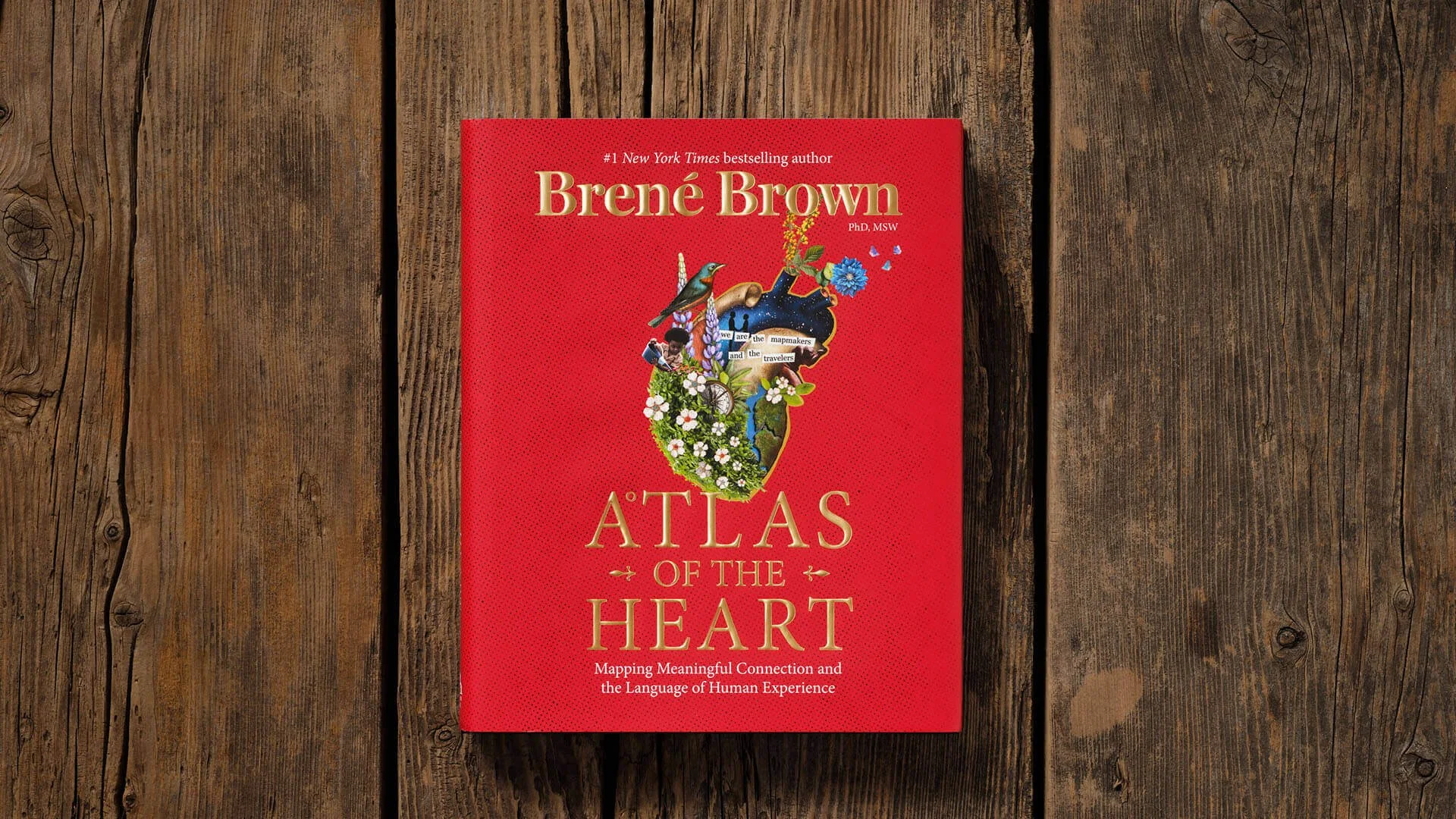
Brené Brown could push book sales endlessly. Instead, she creates podcasts, courses, and content about vulnerability and courage that support readers' ongoing growth.
Her readers stay engaged because she facilitates continuous transformation, not just one-time purchases.
Notice that these authors' platforms exist to serve their readers' evolution, with book releases as natural extensions of that service.
The Permission-Giving Power of Author Brands
One of the most powerful ways authors inspire is by giving readers permission to be themselves.
World famous author brands often say: "It's okay to be who you are."
Maybe your books give readers permission to be complex instead of simple. Maybe they give permission to want more from life. Maybe they give permission to choose differently than everyone expects.
When readers feel seen and validated by your work, they become devoted.
This is why representation matters so deeply. Seeing yourself reflected in stories gives permission to exist fully.
But permission-giving goes beyond representation. It's about the values your work upholds and the messages you send.
If your books celebrate ordinary people doing extraordinary things, you're giving readers permission to believe they're capable of more.
If your books show messy, imperfect characters finding love, you're giving readers permission to believe they're worthy exactly as they are.
If your books feature characters who question authority, you're giving readers permission to trust their own judgment.
The permissions you grant become the foundation of reader devotion.
Why Inspiration Builds Better Marketing Than Tactics

Here's what happens when you shift from transactional to inspirational marketing.
Your audience grows organically because people share content that moves them. They don't share promotional posts, but they share inspiration constantly.
Word-of-mouth becomes your primary marketing tool because inspired readers can't help but tell others.
Your engagement increases dramatically because people interact with content that speaks to their identity, not content that asks them to buy.
Your book launches become easier because you've built trust and goodwill. When you finally do ask for support, readers are eager to give it.
Inspiration creates reciprocity that transactional marketing never can.
Most importantly, you enjoy your author platform more. Creating content that serves readers feels meaningful. Constantly promoting feels exhausting.
When you inspire, marketing stops feeling like marketing and starts feeling like service.
Common Inspiration Mistakes to Avoid
Authors often misunderstand what inspiration means and make these mistakes.
Mistake #1: Confusing inspiration with toxic positivity.
Inspiration doesn't mean pretending everything is wonderful. It means offering authentic perspective that helps readers navigate reality.
Raw honesty about struggles often inspires more than forced cheerfulness.

Mistake #2: Trying to inspire everyone instead of your specific readers.
Generic inspirational quotes don't build devoted readerships. Specific inspiration aligned with your DNA and your readers' transformation does.
Mistake #3: Waiting until you "feel qualified" to inspire.
You don't need to have everything figured out to offer a valuable perspective. Your journey inspires people on similar paths.
Mistake #4: Assuming inspiration means never promoting.
Inspirational authors still launch books and share their work. They've just built enough goodwill that promotion feels natural, not desperate.
The Long Game of Inspirational Author Branding
Building a devoted readership through inspiration takes longer than growth-hacking tactics promise. But it lasts longer too.
Followers gained through trends disappear when trends change. Readers gained through inspiration stay for careers.
This is the difference between viral moments and sustainable success. Viral moments feel exciting but rarely translate to book sales. Inspiration builds slowly but creates readers who buy everything you write.
Tyreman taught that world famous brands play the long game. They invest in relationships, not just transactions.
The authors who build lasting careers are the ones who inspire consistently, even when it seems slower than other approaches.
You've learned to stop copying trends and discovered your unique DNA. Now you understand that expressing that DNA through inspiration creates devoted readerships.
But there's one more mindset shift that separates world-famous authors from invisible ones—and it's counterintuitive.
Continue to Article 5: “Why Watching Your Competition Keeps You Small: Focus on Your Readers Instead”
Ready for a website that inspires confidence at first glance?
You've learned that world-famous brands lead with inspiration, not transactions. But here's the thing: 94% of first impressions are design-related, meaning your website's typography is forming opinions about your professionalism before visitors read a single word. This free 57-point audit reveals exactly what's undermining your credibility and how to fix it.

