
Beauty in the Shadows: How Scottish Folk Tales Blend Light and Dark to Create Emotionally Honest Storytelling

Part 3 of The Scottish Storyteller's Toolkit series
Beauty in the Shadows
In Disney's "The Little Mermaid," Ariel gets her prince and her voice back. In Scottish selkie tales, the seal-wife recovers her skin, abandons her children forever, and disappears into the sea.
Guess which version haunts readers for decades?

Scottish storytellers understood something that modern fantasy writing sometimes forgets: the most memorable stories aren't the ones that avoid darkness or languish within it—they're the ones that weave darkness seamlessly into the light.
Sound impossible?
Let me show you how Scottish folk tales master the art of emotionally honest storytelling that satisfies both children and adults.
The False Dichotomy Problem
American authors often feel trapped in a binary choice: write sanitized stories that require happy endings OR embrace dark fantasy where everything is bleak, violent, and hopeless.
It's as if we've convinced ourselves that stories must be either Disney-bright or Game of Thrones-dark, with no middle ground allowed.
This false dichotomy can force writers into unsatisfying extremes.
On one side, stories feel emotionally hollow when they refuse to acknowledge genuine loss or complexity.
On the other side, relentlessly dark stories can become numbing and depressing rather than meaningful.
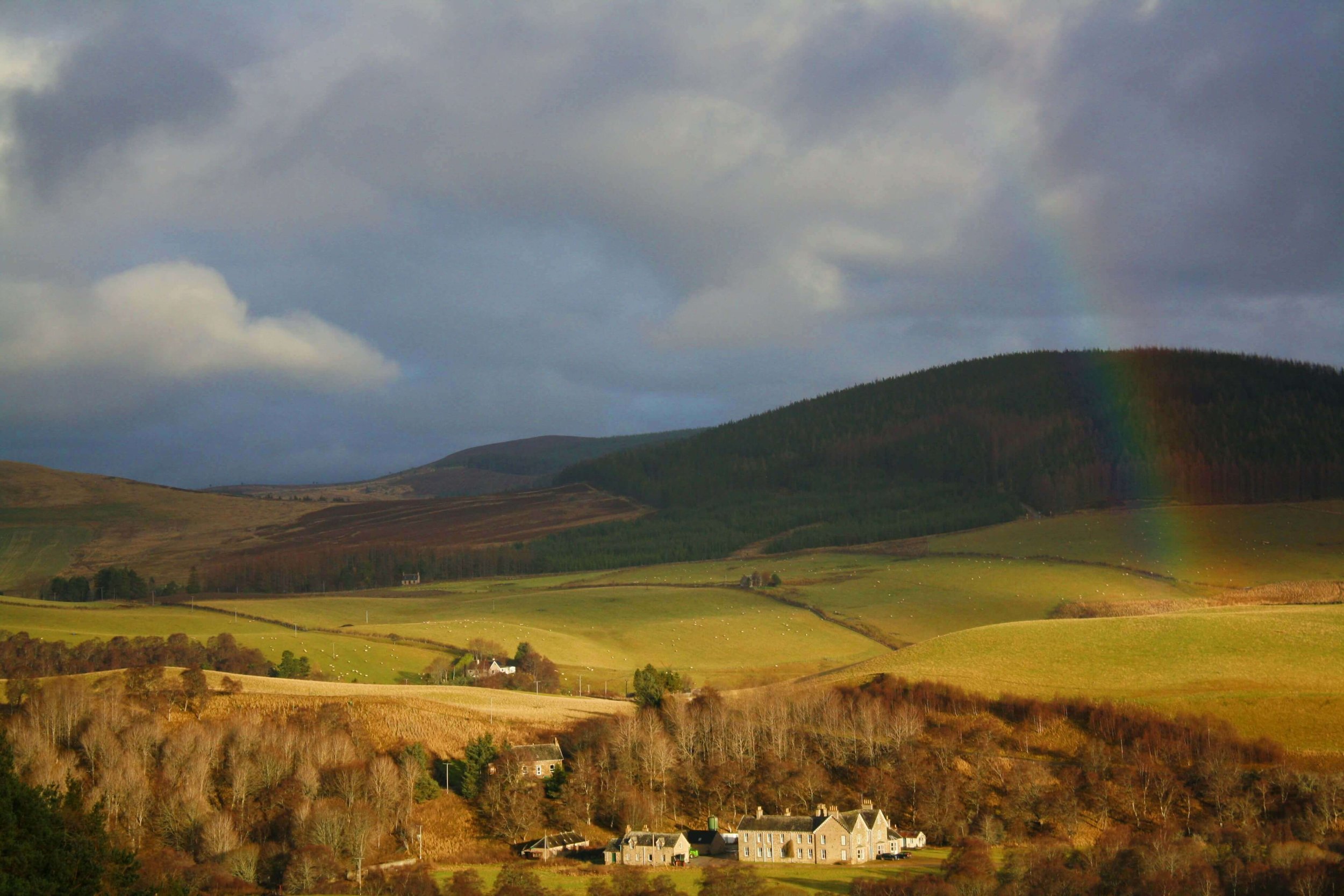
Scottish folk tales reject this either-or mentality.
They understand something that American fantasy has forgotten: real life contains both light and darkness, often in the same moment, and the most powerful stories reflect this natural complexity.
The Scottish Formula: Light and Dark as Daily Companions
Scottish tales weave darkness and light together because that's how life actually works.
The same story that contains loss contains love. The moment that brings sorrow often carries beauty. The character who causes pain may also inspire compassion.
In Scottish storytelling, a tragedy can be beautiful, loss can lead to growth, and hope exists alongside grief.
This isn't compromise—it's completeness.
Take the selkie wife tale: Yes, it contains forced marriage and abandonment—but it also contains deep longing, transformative love, and the bittersweet beauty of someone finally returning to where they belong.

The darkness gives weight to the light. The light makes the darkness bearable.
Seklie tales deal with themes that would make sanitized-story advocates nervous, and yet they contain a bittersweet and family-oriented lightness that would leave dark fantasy authors confused.
Because these tales refuse to fall into either category, they are able to mirror the complexity of actual human experience.
How Scotland's Geography Gave Birth to Dark Beauty
The harsh realities of Scottish landscape shaped this integrated approach to storytelling.
In a land where winter storms could isolate communities for months while also creating breathtaking beauty, where the same sea that provided sustenance could claim lives, where harsh weather could destroy crops yet paint the sky in magnificent colors, artificial separation of light and dark felt like lies.
Scottish storytellers lived in a world where wonder and danger danced together.
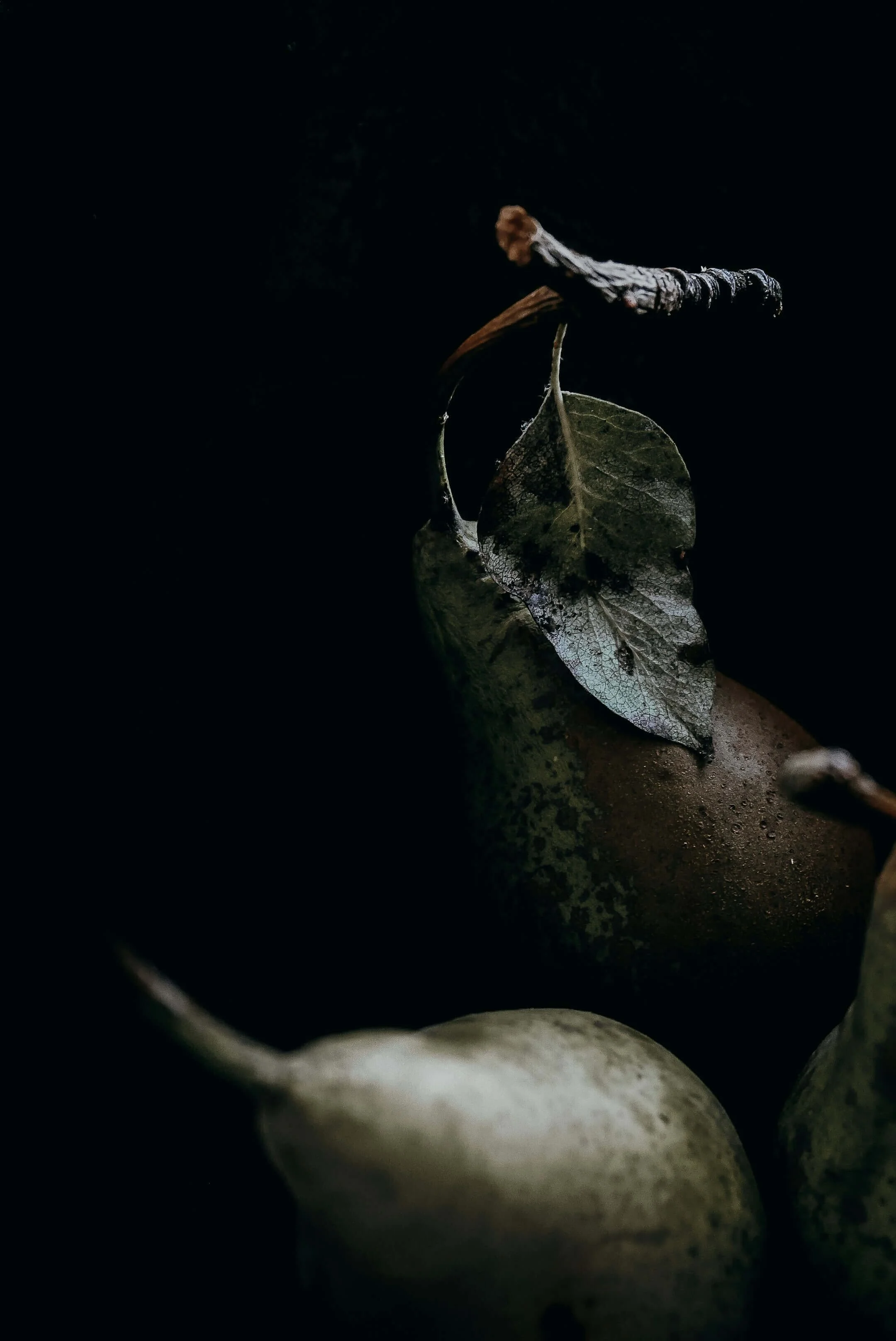
A magnificent Highland sunset might herald a deadly freeze. A calm loch could be treacherous while also being breathtakingly beautiful.
Children who grew up in this landscape understood intuitively that beauty and peril were companions, not opposites.
This geographic reality of Scottish living demanded stories that reflected life's actual texture—not sanitized safety or unrelenting grimness, but the complex interweaving of joy and sorrow, wonder and loss, love and danger that defined daily existence in the Highlands and islands.
How Geography Adds Emotional Truth to Dark Beauty:
Stories that embrace both light and dark create space for more authentic character development than stories that artificially separate them.
The selkie's dilemma feels emotionally true because it contains genuine love for her family AND an irresistible pull toward her true nature. Both emotions are real, valid, and heartbreaking.
This blending of beauty and pain makes complex themes feel natural rather than forced.
When writers learn to blend hope and sorrow the way Scottish landscapes do—sunrises that illuminate both wonder and hardship, mountain vistas that inspire awe and respect, coastal scenes that capture both serenity and power—their stories gain authentic emotional weight.
An emotional honesty emerges from refusing to choose sides in the false war between light and dark, instead showing how both illuminate different aspects of truth, creating atmospheric storytelling that feels as complex and complete as lived experience.
If you want to dive deeper into how geography shapes compelling fantasy creatures, check out Part 1 of this series on Scottish water mythology.
Beyond the False Dichotomy: Stories That Contain Multitudes
So how do you create stories that contain wonder and loss, joy and sorrow, without falling into either extreme? Scottish folk tales use several key techniques:
Both/And Instead of Either/Or:

The selkie experiences genuine love for her family AND an undeniable call to the sea. The fisherman shows both desperate loneliness AND harmful selfishness by stealing the seklie’s skin. Neither character is the villain or hero; both are complex creatures.
Stories like this acknowledge that people and situations contain contradictions and sometimes, neither side is wrong. Sometimes both are. There’s no feeling of easy justice of being “right” to revel in. Instead, these tales make you think and hopefully, create empathy and understanding.
Beauty Within Difficulty:
The selkie's departure is heartbreaking, but her return to the sea is also beautiful—a creature finally returning to where she belongs. Pain and beauty coexist rather than canceling each other out. Characters don’t “lose” by experiencing pain, and they don’t “win” by finding beauty; they live when they find a way to embody them both.
Natural Consequences with Emotional Complexity:
Actions have real results, but those results aren't simple punishments or rewards. The fisherman loses his wife but gains years of love and children. The selkie escapes her captivity but loses her land-born family. Every choice contains both gain and loss. Even when a choice is easy, sorrow accompanies it.
Hope and Sorrow as Companions:
In some selkie stories, she may visit her children once a year. In others, she may never return. Either way, hope exists not instead of sadness, but because of it—the way it does in real life.
Respect for Life's Complexity:

Even difficult situations contain multiple truths. The selkie was trapped, but also experienced real love. Her abandonment of her family and return to the sea was necessary, but also genuinely painful.
Again, notice how these actions are neither right nor wrong. Notice how they produce both joy and loss. There is room for the grief of endings even when the selkie is freed; there is room for love even with her skin is stolen by the fisherman.
Life is not a zero-sum game. When we realize this, we open up room for so much more.
Emotional Integration vs. Emotional Extremes
There's a crucial difference between stories that integrate complexity and those that swing to artificial extremes:

Emotional Integration (Scottish Model):
Presents multiple emotions as naturally coexisting
Finds beauty within difficult circumstances and challenges within beautiful ones
Allows characters to contain contradictions
Reflects the actual texture of human experience
Creates emotional depth through complexity rather than intensity alone
Emotional Extremes (American Dichotomy):
Forces emotions into opposing camps (aka “good” or “bad”)
Treats darkness and light as mutually exclusive
Creates one-dimensional characters who are considered good or evil
Oversimplifies human experience for dramatic effect
Relies on emotional intensity rather than emotional truth
Scottish folk tales lean into emotional integration. They don't trauma-dump for shock value or force happy endings for comfort—they show how joy and sorrow, wonder and loss, love and pain naturally interweave in authentic human experience.
Modern Applications for Different Audiences
For Middle Grade Authors:
Characters can experience loss AND find unexpected beauty
Consequences can be permanent without being purely tragic
Hope and sadness can coexist—life continues with both
Focus on emotional growth through complexity rather than simple lessons
For YA Authors:
Embrace contradictory emotions rather than clear-cut ones
Let characters contain multitudes—heroes with flaws, villains with valid points
Trust readers to handle stories that don't provide simple answers
Address real-world complexity through mythological frameworks that show how opposing forces can coexist to the benefit of all
For Adult Authors:
Draw inspiration from folklore's emotional integration
Use environmental storytelling to explore how beauty and difficulty interweave
Remember that "complex" creates more impact than "dark" or "light" alone
Find meaning within contradiction rather than resolving it artificially
Creating Your Own Emotionally Honest Stories
Ready to apply these writing craft principles?
Focus on character agency:
Let consequences flow from character choices rather than from arbitrary misfortune. Unpreventable tragedy can be emotionally provocative, but more nuanced writing doesn’t create innocent victims.
Instead, characters become the victims of their own choices and are given a narrative choice: they can grow or they can perish under the weight of their poor decisions.
Allow complexity:
Characters can make understandable but misguided choices. Situations can be tragic without anyone being villainous. If your characters fall neatly into “good” or “bad” categories, then you have been painting with black and white. Find some grey shades to mix in, and see how these affect the agency of your characters.
Respect your readers:
Trust them to handle nuanced emotions and complex situations. Stories teach us to become better humans, but if our stories are emotionally stunted because we don’t trust our readers to understand how light and dark can exist together—how a villain can have a valid point and still be in the wrong in terms of their decisions, how love sometimes does not conquer all—then we are depriving humanity the chance to deepen and learn.

Find hope within darkness:
Rather than avoiding difficult themes or solving them with easy answers, look for the ways people find meaning and beauty even in loss. Life can be dark at times; show your readers how to find light even within grief and loss.
Ready to explore more beautifully dark tales that balance shadow and light? The Anthology of Scottish Folk Tales by The History Press offers a masterclass in emotionally honest storytelling that will deepen your craft.
The Gift of Honest Stories
Scottish folk tales teach us that the most powerful stories don't choose between light and dark—they show us how both exist in the same world, the same moment, the same heart.
As writers, our job isn't to protect our readers from difficulty—it's to give them the tools to find beauty and meaning within it.
When we ground our dark moments in environmental truth, respect the intelligence of our audience, and focus on character growth rather than arbitrary punishment, we create stories that don't just entertain—they prepare people for the complex reality of being human.
The selkie's choice breaks hearts because it feels true. Her husband's desperation resonates because it's understandable. Their children's loss matters because it acknowledges that some separations can't be undone.
And that's the real magic Scottish storytellers understood: the stories that help us grow aren't the ones that promise everything will be okay—they're the ones that show us how to find beauty even when it's not.
Because the most honest stories aren't the darkest ones or the lightest ones—they're the ones that capture the full spectrum of human experience and trust us to find our own light within the shadows.
If you enjoyed exploring how Scottish history can inspire your fantasy writing, discover how ancient Scottish storytellers can revolutionize your modern author platform in this three-part series about stone circles, bards, and building lasting author brands. (Coming Soon!)

