Is Wild Dark Shore a Thriller? How McConaghy Bends Genre Expectations
Article 10 of the Wild Dark Shore series.
When readers pick up Charlotte McConaghy's Wild Dark Shore, they're not always sure what they're getting. The cover looks like a thriller. The premise—family isolated on remote island, secrets, danger—sounds like a thriller.

But then you start reading, and something feels different.
The pacing is slower than typical thrillers. The prose is literary and atmospheric. The focus lingers on character interiority rather than rushing toward the next plot point.
So what is this book, exactly?
And if you're an author trying to position your own genre-bending work, what can you learn from how McConaghy navigates this space?
Let's break it down.
Want to catch up? Read the first post in the blog series, Wild Dark Shore by Charlotte McConaghy: A Complete Review & Analysis.

What Defines a Thriller?
Before we can assess whether Wild Dark Shore is a thriller, we need to establish what makes a thriller a thriller.
Genre conventions exist for a reason.
They set reader expectations. When someone picks up a thriller, they're expecting certain elements—and if your book doesn't deliver them, readers feel unsatisfied even if the writing is excellent.
Here are the core thriller elements:
Suspense and tension.
The reader should constantly wonder what happens next. Tension builds throughout the book, with stakes escalating as the story progresses.
High stakes.
Something significant is at risk—life, safety, freedom, truth. The consequences of failure must feel substantial and immediate.
Secrets and revelations.
Thrillers typically involve information being withheld from the reader, then revealed strategically to maintain momentum. Characters often deceive each other (and readers).
External threat or danger.
Whether it's a person, nature, or circumstances, something actively threatens the protagonist's safety or goals.

Pacing.
Thrillers generally move quickly. Chapters are tight. Scenes drive forward. There's momentum pulling the reader through.
Clear antagonistic force.
Even if the "villain" is ambiguous morally, there's typically someone or something working against the protagonist.
Resolution of tension.
Thrillers usually provide a clear resolution. The threat is neutralized, the mystery solved, the danger passed. Readers want that cathartic release.
These conventions aren't arbitrary. They create the reading experience people seek when they choose a thriller—that addictive "just one more chapter" feeling.
Wild Dark Shore as Thriller
So does Wild Dark Shore deliver thriller elements? Absolutely.
The setting creates constant menace.
Shearwater Island isn't just remote—it's actively hostile. The brutal weather, the isolation, the unpredictable supply ships. Nature itself functions as an antagonist, trapping characters and limiting their options.
Secrets drive the plot.
Both Dom and Rowan are hiding critical information. Dom's past decisions haunt him and endanger his children. Rowan came to the island under false pretenses with an agenda she conceals from the Salt family.
The entire novel operates on withheld information, strategically revealed throughout the novel to maintain tension.

The stakes are life-and-death.
Without spoiling specifics, characters face genuine danger—from the island’s environment, from each other's deceptions, from the consequences of past actions catching up to them.
Suspense builds throughout.
McConaghy parcels out revelations carefully. Each answer creates new questions.
The reader constantly wonders: What is Rowan really doing here? What happened in Dom's past? How will these secrets destroy this family?
There's a ticking clock.
The approaching winter, the unreliable supply ships, the deteriorating situation around the seed bank—all create urgency. Time is running out, and characters must act before circumstances become impossible.
By thriller standards, Wild Dark Shore absolutely qualifies. It uses genre conventions effectively to create a gripping, suspenseful story.
Wild Dark Shore as Literary Fiction
But here's where it gets interesting: Wild Dark Shore also functions as literary fiction.
The prose is elevated.
McConaghy's writing is spare, atmospheric, and beautifully crafted. Sentences are constructed for rhythm and impact. Descriptions prioritize mood over exposition.
This isn't genre-typical thriller prose, which tends toward transparency—getting information to the reader efficiently without calling attention to language itself.

Character interiority dominates.
We spend significant time inside characters' heads, exploring their emotional landscapes, their memories, their philosophical struggles with parenthood and climate grief.
Thrillers typically prioritize external action over internal reflection. McConaghy does both.
Pacing is deliberate, not rushed.
While there's tension throughout, McConaghy allows scenes to breathe. She lingers on small moments—Raff listening to whale songs, Orly telling stories about seeds, the family eating together.
The ending is ambiguous.
Without spoiling anything, McConaghy doesn't provide the neat resolution typical of thrillers. She trusts readers to sit with an amount of uncertainty and complexity.
Symbolism and metaphor are layered throughout.
The lighthouse’s duty to provide warnings. The seed vault preserving extinct species. Each child's relationship with different wildlife. These aren't just plot elements—they carry symbolic weight.
By literary fiction standards, Wild Dark Shore also qualifies. It prioritizes craft, theme, and emotional complexity alongside plot.
The "Literary Thriller" Sweet Spot
So what is this book? It's a literary thriller—and that's not a cop-out answer.

Literary thriller isn't just "thriller with pretty sentences."
It's become a distinct approach that balances genre conventions with literary ambitions.
McConaghy uses thriller structure and suspense to create momentum, but she also e to sacrifice character depth, thematic complexity, or prose quality to achieve typical thriller pacing.
The result is a book that delivers the addictive readability of a thriller while also providing the emotional and intellectual satisfaction of literary fiction.
This is harder to pull off than it sounds.
Many authors who attempt literary thrillers end up with books that feel too slow for thriller readers and too plot-driven for literary readers. You alienate both audiences.
McConaghy succeeds because she commits fully to both modes. The thriller elements are genuinely suspenseful. The literary elements are genuinely sophisticated. Neither feels tacked on or superficial.
She also manages expectations through positioning.
The book is marketed as a thriller, which sets baseline expectations for suspense and secrets. But the cover design, the early reviews highlighting McConaghy's prose, and the climate fiction framing signal to readers that this won't be a typical commercial thriller.
Readers self-select. Those who want a fast-paced beach read may skip it. But those who want atmospheric, thoughtful suspense pick it up knowing what they're getting.
What This Means for Your Author Brand
Here's where this connects to your career as an author—and potentially why you need to think carefully about your author brand.

If you write across genres or blend genres like McConaghy does, your brand can't be tied to a single book or genre. You need a brand that encompasses your range.
Genre fluidity requires smart positioning.
You can't market yourself exclusively as a "thriller author" if your next book is literary fiction. You can't market yourself solely as a "literary fiction author" if your last book was a thriller.
But you can market yourself as an author who writes atmospheric, character-driven stories with suspense and emotional depth.
That brand works whether you're writing a literary thriller, a climate fiction novel, or something else entirely.
This is exactly what McConaghy does.
Her brand isn't "thriller writer" or "literary writer"—it's "Charlotte McConaghy writes emotionally intense stories about humans and nature with beautiful prose and gripping tension."
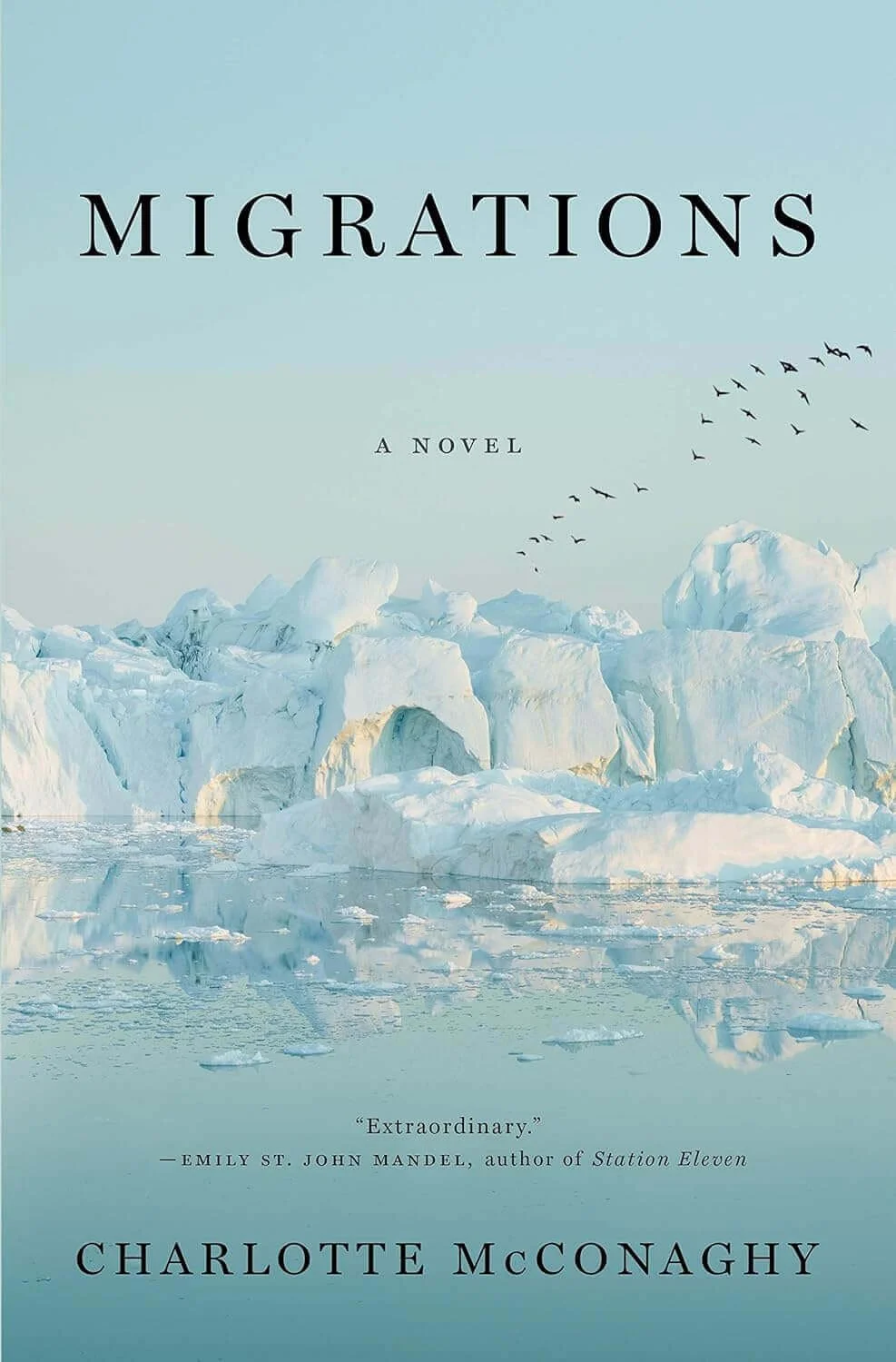
That brand identity works across her earlier book Migrations (literary fiction with thriller elements) and Wild Dark Shore (thriller with literary elements).
Your author brand should reflect your essence, not your current genre.
If you're a debut author writing a thriller but you know you want to explore other genres later, don't build your entire brand around "thriller author." Build it around the elements that will persist across your work—your themes, your prose style, your emotional register, your approach to storytelling.
If you're an established author who's already written in multiple genres, identify the common threads. What makes all your books distinctly yours, regardless of genre?
That's your brand. That's what should define your visual identity, your website messaging, your author bio.
Curious to learn more about building an author brand? Explore the article, “Why Your Book is NOT Your Author Brand.”

Final Thoughts
Is Wild Dark Shore a thriller?
Yes.
Is it also literary fiction?
Yes.
The point isn't to force it into a single category.
The point is to understand how McConaghy uses both sets of conventions to create something distinctive—and how she positions herself as an author to make that approach sustainable across a career.
If you're writing genre-bending work, you need an author brand that can accommodate your range.
Your brand isn't your book. Your brand is you—the consistent elements that run through all your work, regardless of which genre you're exploring at the moment.
That's how you build a career, not just publish a book.
Ready to build a brand that accommodates your full range?
McConaghy's brand works across genres because it's built on her essence, not a single book. If you're writing work that defies easy categorization, you need a brand foundation flexible enough to hold everything you create. This free guide shows you how.