
Let Them Judge Your Genre
Genre Judgement
You're at a local bookstore event, chatting with other authors before the reading begins.
The conversation is flowing nicely until someone asks what genre you write.
Your face lights up as you start describing your latest contemporary romance—the complex emotional arc between your protagonists, the small-town setting that's almost become a character itself, and the themes of second chances that you're exploring.
"Oh," says the literary fiction author standing nearby, her enthusiasm visibly cooling. "Romance. That's... nice. I write stories that examine the human condition and challenge readers intellectually. Have you ever considered writing something more... substantial?"

Before you can process the dismissive tone, another author jumps in: "Actually, romance is where the money is! I've been thinking about switching from literary fiction to romance because that's what's selling. You probably make more than any of us, right? It must be nice to write something so commercial."
Suddenly, you're trapped between two equally frustrating responses.
The first treats your genre as inferior fluff that serious writers should outgrow. The second reduces it to a purely commercial calculation, as if the emotional complexity and craft skill that romance requires don't matter.
Both responses completely miss what actually draws you to romance: the opportunity to explore themes of love, growth, and human connection in ways that provide both escape and hope to readers.
Walking home from the event, you find yourself questioning your genre choice for the first time in years.
Maybe you should try literary fiction to earn more respect.
Or maybe you should lean into the commercial aspect and write faster, formulaic books for profit.
Maybe there's something wrong with genuinely loving a genre that other people either dismiss or see only in terms of market potential.
How did your authentic creative passion become something you need to defend or justify?
This is where the Let Them Theory becomes essential for protecting your creative authenticity and genre confidence.

The Genre Hierarchy That Limits Creative Expression
Publishing culture has created an unofficial but deeply entrenched hierarchy that positions some genres as more valuable, respectable, or worthy than others.
Literary fiction sits at the top as "serious" writing that examines important themes and demonstrates artistic merit.
Below that, various genre categories get ranked based on perceived intellectual complexity, cultural prestige, and reader demographics.
This hierarchy affects how authors talk about their work and how others respond to their genre choices.
Romance writers face assumptions about quality, intelligence, and artistic ambition.
Fantasy and science fiction authors encounter dismissive attitudes about "escapist" literature.
Mystery and thriller writers hear that their work is "formulaic."
Horror authors deal with judgments about violence and disturbing content.
Even within genres, sub-hierarchies emerge that position some approaches as more legitimate than others.
The most insidious aspect of genre hierarchies is how they seep into authors' own creative confidence.
You might find yourself apologizing for your genre choice, over-explaining why your romance novel is "different" from typical romance, or feeling pressure to add "literary" elements to prove your work has substance.
These defensive responses suggest that you've internalized the hierarchy rather than recognizing it as an arbitrary cultural construction.

Academic and literary establishment biases heavily influence these hierarchies.
University literature programs focus primarily on literary fiction, creating generations of readers and writers who've been taught that certain types of stories matter more than others.
Literary awards, review outlets, and cultural gatekeepers tend to reinforce these biases by privileging works that fit established definitions of "serious" literature.
Gender bias also plays a significant role in genre perceptions.
Genres with primarily female readerships—romance, women's fiction, young adult—often receive less respect than genres with more male readers or writers.
This isn't coincidental; it reflects broader cultural patterns of devaluing things associated with women's interests and experiences.
What's particularly damaging is how these hierarchies can prevent authors from discovering and developing their authentic creative voices.
Instead of exploring what genuinely excites them as storytellers, writers might chase genres they think will earn more respect or credibility, leading to work that feels forced and inauthentic.
Who Decides What's "Worthy" Writing?
Understanding how genre hierarchies developed and who maintains them helps reveal their arbitrary nature and limited relevance to actual creative merit or reader value.
These judgments often say more about cultural biases and institutional preferences than about the inherent worth of different types of storytelling.
Literary establishments—universities, prestigious magazines, major award committees—have historically shaped definitions of "worthy" literature based on their own aesthetic preferences and cultural positions.
These institutions tend to value experimental techniques, complex themes, and approaches that require academic training to fully appreciate.

This isn't inherently wrong, but it's not the only valid measure of storytelling value.
Cultural bias against popular entertainment runs deep in intellectual circles.
The assumption is that if many people enjoy something, it must be simplistic or pandering.
This bias ignores the sophisticated craft skills required to create broadly appealing work and the legitimate value of entertainment, comfort, and escapism in readers' lives.
The false dichotomy between commercial success and artistic merit creates unnecessary either/or thinking about genre choices.
The assumption is that commercial genres sacrifice artistic integrity for market appeal, while literary genres prioritize art over accessibility.
In reality, the best work in any genre combines skillful craft with authentic creative vision, regardless of its commercial potential.
Class and educational biases also influence genre perceptions.
Genres associated with higher education or cultural sophistication get more respect than those seen as working-class entertainment.
This creates artificial distinctions that ignore the diverse backgrounds and educational levels of both readers and writers across all genres.
Market forces can perpetuate these hierarchies as publishers, agents, and retailers create separate categories with different marketing approaches, review coverage, and shelf placement.
These business decisions then reinforce cultural perceptions about which genres matter more.
Let Them Maintain Their Literary Snobbery
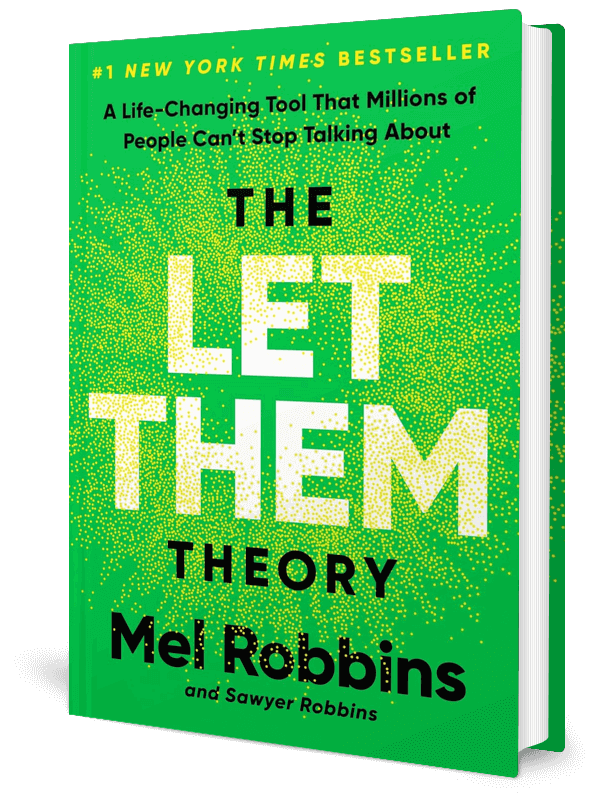
Here's where the Let Them Theory protects your creative authenticity and passion: You stop trying to earn respect for your genre choice from people who are determined to maintain arbitrary hierarchies that serve their own sense of superiority.
Let them think that some types of stories are inherently more valuable than others.
Let them not understand that all effective storytelling requires a sophisticated understanding of character development, plot structure, emotional pacing, and reader psychology.
Let them think that working within established frameworks is somehow less creative than rejecting them, ignoring the innovation that happens when skilled writers push genre boundaries from within.
Let them dismiss the joy, comfort, escapism, and emotional catharsis that "popular" genres provide to millions of readers.
Let them not value the legitimate human needs that different types of stories serve.
Let them miss the profound impact that romance, fantasy, mystery, or other genres can have on readers' lives and worldviews.
Let them limit their own reading and writing possibilities by clinging to narrow definitions of worthwhile literature.

Let them miss out on the creative communities, reader enthusiasm, and storytelling innovations happening in genres they consider beneath their notice.
Most importantly, let them gatekeep creativity with hierarchies that serve their need to feel superior rather than any actual assessment of artistic merit or reader value.
Their snobbery is their limitation, not your creative problem.
Let Me Write What Genuinely Excites My Creative Soul
While you're letting them maintain arbitrary hierarchies, you get to explore the full range of your creative interests and build a career around authentic artistic passion.
Let me trust my creative instincts about the stories I'm called to tell. The genres that excite me as a reader often point toward what I'll be most passionate about writing.
When I write from genuine enthusiasm rather than strategic calculation, that energy translates to the page in ways that readers can feel and connect with.
Let me serve the readers who crave exactly what I love to create. Romance readers want the emotional journey and satisfying relationship development that romance provides. Fantasy readers seek the world-building and magical possibilities that fantasy offers. Mystery readers enjoy the puzzle-solving and justice themes that mysteries deliver.
When I write for readers who share my genre enthusiasm, I'm serving a real and valuable audience need.

Let me master the specific craft skills that my chosen genre requires. Every genre has its own sophisticated demands: romance requires mastery of emotional pacing and relationship dynamics; fantasy needs world-building and magic system logic; mystery demands fair play plotting and clue distribution; literary fiction requires deep character interiority and thematic complexity.
Excellence in any genre represents real artistic achievement.
Let me build my career within the vibrant communities that exist around the genres I love. Genre communities often provide more support, mentorship, and collaborative opportunities than general literary circles.
Romance writers, fantasy authors, mystery writers, and others have built networks that celebrate their genres and help authors thrive within them.
Let me trust that passionate, authentic writing finds its audience regardless of genre hierarchies. Readers are sophisticated consumers who can recognize genuine creative passion. They're more likely to connect with authentic genre writing than with work that feels calculated or apologetic about its own existence.
The most successful genre authors understand that embracing their genres completely rather than apologizing for them leads to stronger work and better career outcomes.
They know their readers, understand their genre's pleasures and possibilities, and write with confidence in the value of what they're creating.
Embracing Your Genre Identity Without Apology
Building confidence in your genre choice requires both internal work on your own creative values and practical strategies for handling the inevitable judgment from genre snobs and market calculators.

Be proud to stand out, to be different, to love what you do.
When someone dismisses your genre as "not real literature," try: "I write stories that provide [specific value: emotional escape, puzzle-solving pleasure, world-building immersion, etc.] to readers who love that experience."
This positions your work as serving real reader needs rather than accepting the "not real literature" framing.
When people suggest you should write something "more serious," consider: "I take my genre very seriously. It requires [specific craft skills] and serves readers who are passionate about these stories."
This establishes your professional approach without accepting the premise that your current genre isn't serious.
When others treat your genre choice as purely commercial calculation, you might respond: "I write in this genre because I'm passionate about these stories and the readers who love them. The market success is a bonus, not the primary motivation."
This clarifies your authentic creative investment.
Finding your genre community provides crucial support for maintaining confidence in your creative choices.
Attend genre-specific conferences, join professional organizations for your genre, and connect with other authors who understand and celebrate what you're creating.
These relationships provide perspective on your genre's value and possibilities.
Building expertise within your genre creates confidence that transcends external validation.
Study the masters of your genre, understand its history and evolution, and develop deep knowledge of what makes genre work effective.

This expertise becomes a source of professional pride that doesn't depend on others' approval.
Marketing to ideal readers rather than trying to convert genre skeptics focuses your energy where it can actually build your career.
Romance readers don't need to be convinced that romance is valuable—they already know and love it.
Your job is to reach them effectively, not to persuade literary fiction readers to appreciate romance.
Your Creative Passion Doesn't Need External Validation
The most liberating realization for authors facing genre judgment is this: Your genre choice doesn't need to impress people who don't understand or appreciate what you're creating.
The readers who love your genre are the only audience whose opinion matters for your creative and commercial success.
Genre hierarchies are cultural constructions, not natural laws.
They shift over time as literary tastes change, market conditions evolve, and new voices challenge established patterns.
Science fiction was once dismissed as pulp entertainment; now it's studied in universities.
Romance continues to be the largest fiction category despite persistent literary snobbery.
Mystery and thriller authors regularly hit prestigious bestseller lists.
Your creative development doesn't pause while you wait for genre validation from literary establishments.
Your craft skills are growing, your understanding of your readers is deepening, and your creative voice is strengthening regardless of whether academic critics approve of your genre choice.
When you stop apologizing for your genre and start embracing it completely, your work becomes more authentic and effective. Readers can sense when authors are confident in their creative choices versus when they're writing defensively or trying to prove their legitimacy.
The publishing industry will continue evolving, and genre boundaries will continue blurring as authors experiment with cross-genre work and readers become more open to diverse storytelling approaches.
The people maintaining rigid genre hierarchies will eventually have to confront a reality where the most successful authors often ignore traditional categories entirely.
Your job is not to earn respect for your genre from people who are determined to maintain literary hierarchies.
Your job is to write the best possible books within the genres that excite you, serve the readers who share your enthusiasm, and build a sustainable creative career around what you genuinely love to create.
Let them judge your genre while you write stories that light you up and connect with readers who are thrilled to find exactly what you're offering.
Wrapping Up the Author Identity & Validation Series
Over the past five articles, we've explored how the Let Them Theory applies to the core identity challenges that authors face throughout their careers:

Professional legitimacy: "Let them say writing isn't a real job" while you build a serious creative business
Creative identity: "Let them think you're not a 'real' author" while you own your writer identity based on commitment, not external validation
Success definitions: "Let them question your success" while you define achievement based on your own values and goals
Journey comparison: "Let them compare your journey to others" while you focus on your unique path and circumstances
Genre confidence: "Let them judge your genre" while you write what genuinely excites your creative soul
The common thread through all these challenges is the pressure to earn external validation for choices that should be based on your authentic creative instincts, personal circumstances, and individual goals.
The Let Them Theory gives you permission to stop seeking approval from people who are determined to maintain hierarchies, comparisons, and judgments that don't serve your creative development.
Your identity as a professional author doesn't need their approval.
Your creative legitimacy doesn't need their validation.
Your success doesn't need their recognition.
Your journey doesn't need their understanding.
Your genre choice doesn't need their respect.
Next up, we'll begin exploring a new mini-cluster in our Let Them Theory series: "Reader Relationships & Reviews" (Coming Soon!) —because even when you're confident in your identity and creative choices, managing the complex relationship between authors and their audience brings its own set of boundary challenges.
Ready to explore more "Let Them" mindset shifts that protect your creative freedom?
You've learned to stop defending your genre choice—now discover the complete collection of boundary-setting strategies that help authors build confidence, resist comparison, and focus on what actually matters. Each article tackles a specific challenge authors face when external opinions threaten their creative authenticity.

