
Near vs Far Enemies in Author Life: Why 'Positive' Emotions Might Be Sabotaging Your Success
Article 2 of The Author's Emotional Toolkit Series
When 'Positive' Emotions Sabotage Success
Sarah landed her first book deal after five years of querying. The validation felt incredible—finally, proof that she was a real writer.
Six months later, her editor suggested significant revisions to strengthen the opening chapters. Sarah's response? "I think you're missing the point of my artistic vision."
Her agent started returning fewer calls. Her editor became increasingly formal in their emails. Fellow authors stopped engaging with her social media posts.
What happened? Sarah had fallen victim to one of the most dangerous traps in the author journey.
The most dangerous emotions for authors aren't the obviously negative ones—they're the positive emotions gone wrong.
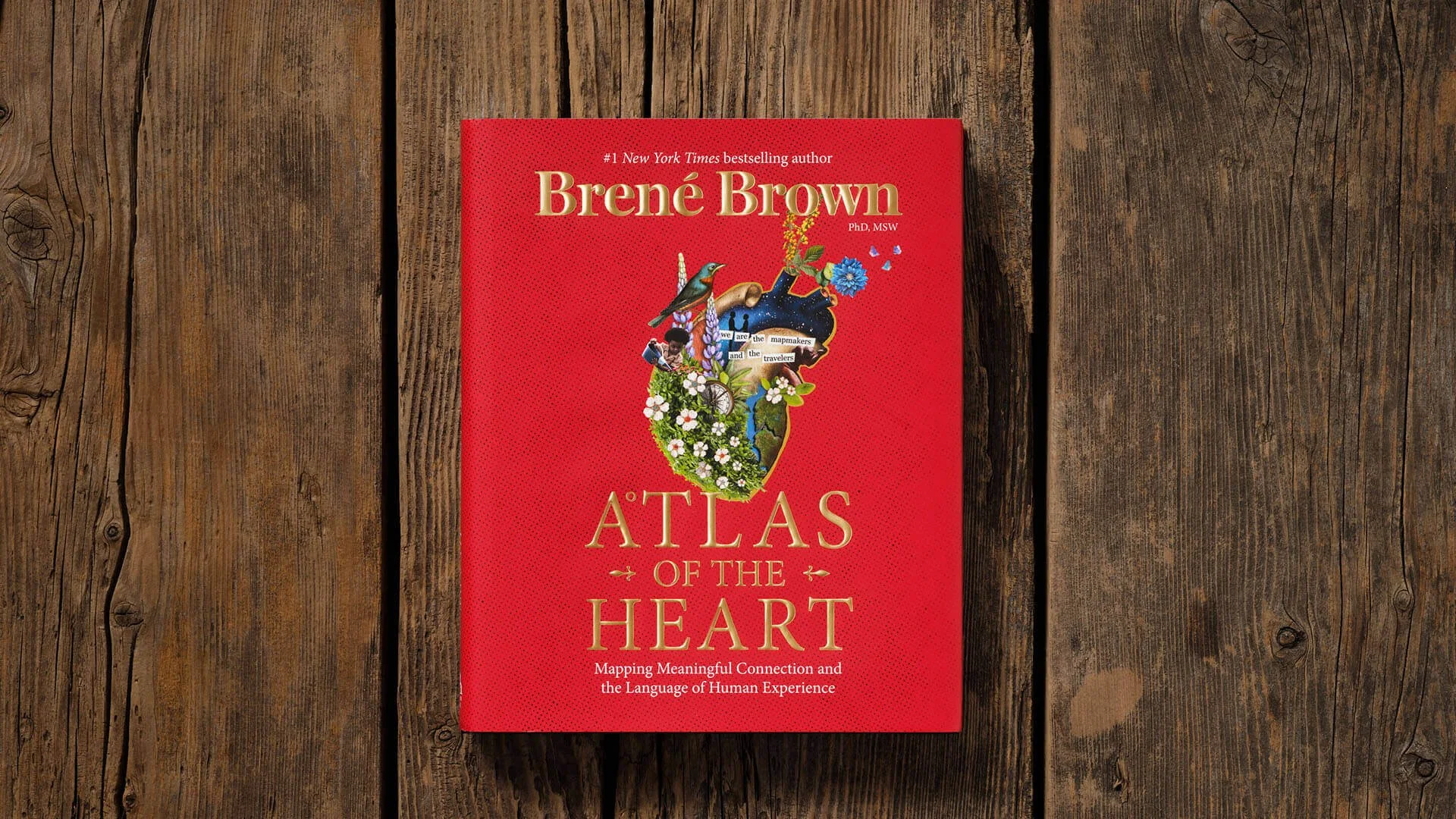
In article 1 of The Author's Emotional Toolkit Series, we introduced the concept of "near enemies" from Brené Brown's groundbreaking book "Atlas of the Heart."
These are emotions that feel positive and productive on the surface but are actually destructive forces that can derail your career.
Catching Up On The Author's Emotional Toolkit Series
—> If you're new to this series, I recommend starting with our foundational guide The Complete Guide to Emotional Intelligence for Authors to understand how emotional intelligence impacts every aspect of your author journey—from creativity to career longevity. That article provides the essential framework for understanding why emotional intelligence is crucial for authors, while today's post dives deep into the specific emotional traps you need to avoid.
Today, we're diving deep into the specific near enemy pairs that plague authors at every stage of their journey. You'll learn to recognize these emotional impostors before they sabotage your relationships, opportunities, and long-term success.
By the end of this article, you'll have the tools to stay emotionally authentic in the face of rejection or success.
The Author's Most Dangerous Near Enemy Pairs
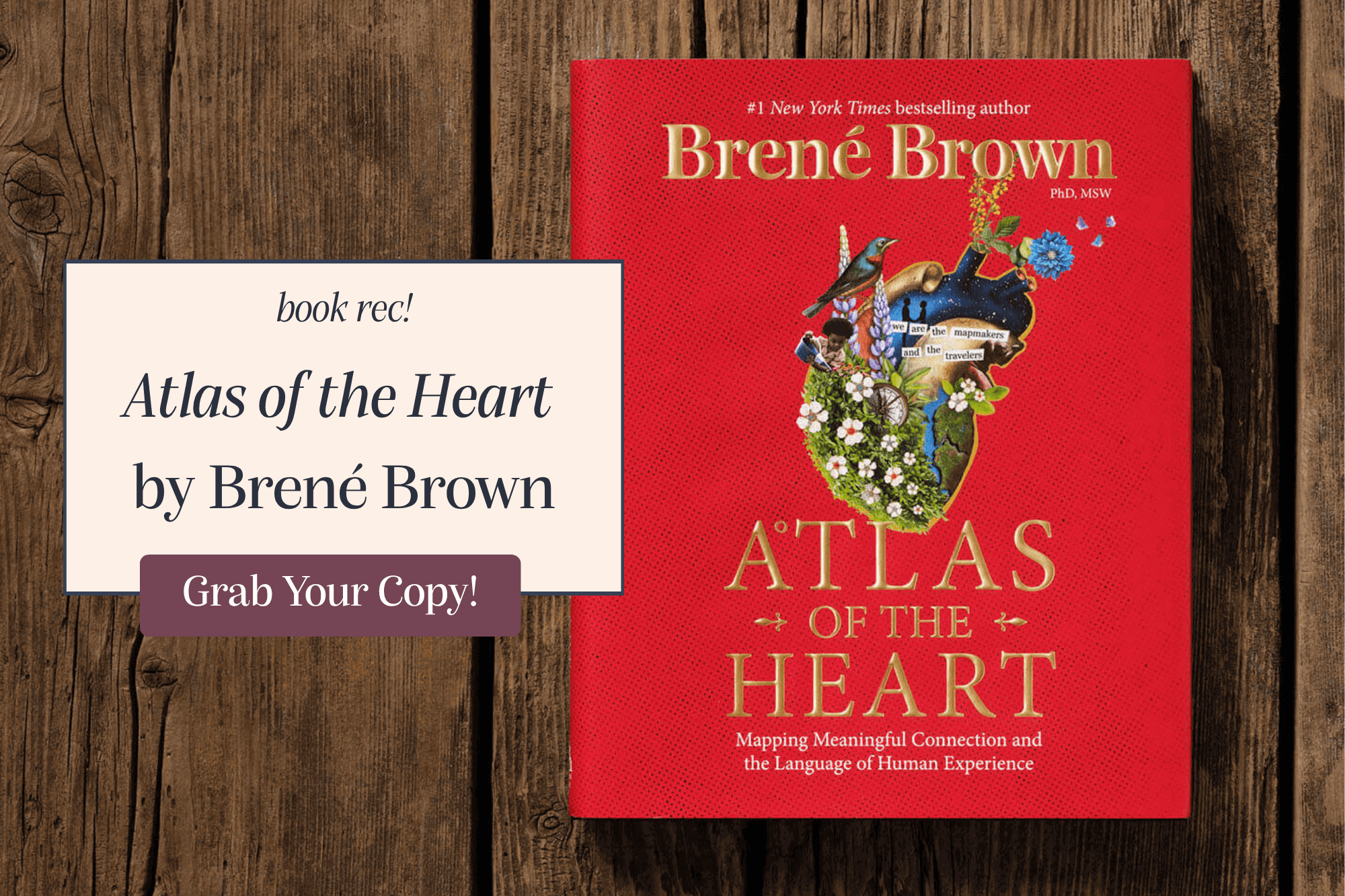
Before we get into specific near enemy pairs, here’s a paragraph from Brené Brown’s Atlas of the Heart that beautifully explains why understanding near enemies is so vital:
“On the surface, the near enemies of emotions or experiences might look and even feel like connection, but ultimately they drive us to be disconnected from ourselves and from each other. Without awareness, near enemies become the practices that fuel separation, rather than practices that reinforce the inextricable connection of all people.”
Whew. Seriously, if you haven’t read Atlas of the Heart yet, get a copy. Don’t check it out from the library, buy it if you can. It’s the kind of book you’re going to want to highlight parts that resonate and revisit them again and again.
Confidence vs. Arrogance
Confidence is essential for authors. You need it to believe your stories are worth telling, to pitch your work to agents, and to put yourself out there despite the inevitable rejections.
But confidence has a near enemy that feels almost identical: arrogance.
Confident authors believe in their work while staying open to feedback.
They know their writing has value, but they also recognize they can always improve.
When an editor suggests changes, confident authors consider the advice thoughtfully, even if they ultimately disagree.
Arrogant authors dismiss industry guidance because "they know better."
They've internalized their worth as writers in a way that makes any criticism feel like a personal attack. Their identity becomes so wrapped up in being "right" about their work that growth becomes impossible.
Confident authors grow from criticism; arrogant authors become unteachable.
Here's how to tell the difference: Confident authors ask questions like "What specific changes would strengthen this scene?"
Arrogant authors make statements like "Clearly, you don't understand what I'm trying to accomplish."

The shift from confidence to arrogance can occur after a significant validation, such as a book deal, positive reviews, or industry recognition. Success makes you feel invincible, but that invincibility can quickly morph into dismissiveness.
Take Marcus, who received glowing reviews for his debut literary fiction novel. When his editor suggested his second book needed a stronger plot structure, Marcus replied, "My readers don't care about traditional plot—they're here for my prose style."
His second book flopped. His editor stopped acquiring his work. Marcus couldn't understand why the industry had "turned against" him.
Persistence vs. Stubbornness
Every successful author will tell you that persistence is crucial.
The publishing industry runs on rejection, and only authors who keep going despite setbacks will eventually break through.
But persistence has a near enemy that can trap you in unproductive cycles: stubbornness.
Persistence means continuing despite setbacks while making strategic adjustments.
Persistent authors analyze their rejections, refine their approach, and adapt their strategy based on feedback.
They understand that the definition of insanity is doing the same thing repeatedly while expecting different results.
Stubbornness means refusing to adapt your approach despite repeated failures.
Stubborn authors keep submitting the same query letter after 100 rejections. They refuse to revise their manuscript because "it's perfect as is." They blame the industry rather than examining their own approach.
Persistence builds careers; stubbornness builds walls.
A writer friend of mine—let’s call her Jennifer—wrote a 100,000+ debut fantasy novel. Then she spent ten years querying it.
Then years tinkering with the same manuscript. Sending it out. Getting requested. Rinse and repeat.

Her friends encouraged her to write something new, but she refused to let go of her first manuscript.
The average author writes three books before getting an agent. Why? Because new authors are learning. They’re learning their voice, how the industry works, how to strengthen both plot and character.
Jennifer was operating from stubbornness disguised as persistence. Other authors were practicing true persistence with strategic adaptation. Even if it took writing three (or more) books, they kept moving forward.
Pride vs. Hubris
Pride in your accomplishments is healthy and necessary. Authors should celebrate their wins—whether that's finishing a first draft, landing an agent, or seeing their book on a shelf.
But pride's near enemy, hubris, can destroy everything you've worked to build.
Pride celebrates achievements while maintaining work ethic. It’s grounded in real-life accomplishments.
Proud authors acknowledge their successes without assuming future success is guaranteed. They understand that each book is a new challenge requiring the same dedication and craft.
Hubris assumes success. It’s not grounded in real life.
Authors operating from hubris believe their “inborn talent” automatically guarantees continued success. They don’t put in the work because they assume their natural ability will carry them.
Pride motivates; hubris paralyzes.
When your first book succeeds, pride says, "I worked hard and it paid off—let me apply those lessons to my next project."
Hubris says, "I'm naturally gifted—this writing thing is easy for me. I don’t have to try; I’m just that awesome."
→ Understanding near enemies is not only important for a healthy life—they can also enrich your writing. Learn how in Using Near vs Far Enemies for Character Development.

How Near Enemies Infiltrate Author Life
The Success Trap
Ironically, near enemies most often emerge after positive experiences.
Landing your first agent, getting published, receiving good reviews—these victories can trigger emotional shifts that feel like growth but are actually regression.
One book deal doesn't make you a publishing expert.
Yet many authors start dispensing advice to other writers after their first success, speaking with authority they haven't yet earned.
This isn't malicious—it feels like generous sharing of knowledge. The problem is that hubris masquerading as helpfulness can damage your reputation before you even realize what's happening.

Consider Lance, who landed a three-book deal with a major publisher.
Within weeks, he was posting lengthy threads about "what authors are doing wrong" and "the real secrets to getting published." Meanwhile, his debut hadn't even released yet.
Wanting to help other authors from a place of authenticity is great. However, when you approach it from the perspective of “I know what I’m doing,” the energy shifts.
Suddenly, you’re talking down to everyone around you. Even if it’s unintentional, the arrogance can be off-putting to everyone around you.
The Feedback Loop Problem
Arrogance drives away the people who could help you grow.
When you dismiss feedback or treat industry professionals condescendingly, they stop offering honest input. Without that external reality check, arrogance feels increasingly justified.
Soon, you're surrounded only by people who tell you what you want to hear—either because they're afraid to contradict you or because everyone with genuine insights has distanced themselves.
This feedback loop explains why some authors become increasingly difficult to work with over time.
It's not that success corrupted them—it's that success triggered near enemies that then pushed away the people who could have kept them grounded.
Social Media Amplification
Social media platforms create a unique challenge for authors because they reward both authentic confidence and arrogance with equal enthusiasm.

Both types of content generate engagement, shares, and followers.
This makes it difficult to recognize when you've crossed the line, because the external validation remains consistent.
A genuinely confident author sharing insights about their writing process gets engagement.
An arrogant author making sweeping proclamations about "what authors are doing wrong" also gets engagement—sometimes even more.
The algorithms favor content that generates strong reactions, which means thoughtful, balanced takes often get buried under more inflammatory posts.
But here's the trap: just because your audience responds, doesn't mean you're operating from healthy emotions.
Your online persona can trap you in near enemy emotions.
When followers respond enthusiastically to your bold statements about the industry, it can feel like validation of your expertise. But that validation might be reinforcing arrogance rather than confidence.
Authors who build followings through strong industry opinions can get trapped in increasingly extreme positions.
They feel pressure to maintain their "brand" as the person with controversial takes, even when those opinions shift from insightful confidence into dismissive arrogance.
The danger is that social media success can mask emotional regression.
You might be becoming less pleasant to work with in real life while your online following grows. Industry professionals might be distancing themselves while your engagement metrics improve.
Since both confidence and arrogance can succeed on social media, pay attention to how your online persona affects your offline relationships.
If your social media following is growing but your professional opportunities are shrinking, your online confidence might have shifted into arrogance without you realizing it.
Recognizing Near Enemies in Real Time
Internal Warning Signs
Learning to catch yourself in near enemy territory requires developing internal awareness of subtle emotional shifts.
Your body often recognizes near enemies before your mind does.

Arrogance creates a specific kind of tension—chest puffed out, jaw slightly clenched, a feeling of being "above" the conversation. Stubbornness manifests as rigidity, both physical and mental.
Pay attention to how you physically feel when receiving feedback.
Do you immediately tense up? Does your breathing become shallow?
These bodily responses often signal that you've shifted into defensive territory.
Notice your thought patterns during professional interactions.
Are you listening to understand or listening to refute? Are you asking genuine questions or leading questions designed to prove your point?
When you stop asking questions, you've probably shifted into a near enemy.
Curiosity is the hallmark of authentic positive emotions. Near enemies are characterized by certainty and closed-mindedness.
External Feedback Signals
Sometimes you can't trust your internal compass because near enemies feel so much like their positive counterparts. That's when external feedback becomes crucial.
People start avoiding honest conversations with you.
When colleagues become increasingly diplomatic or start limiting their interactions, it's often because they've experienced your near enemy emotions and learned to protect themselves.
Notice if industry professionals become more formal in their communications.

When agents, editors, or fellow authors shift from casual friendliness to professional distance, it might indicate that your emotional approach has changed.
Your network shrinks when you operate from near enemies.
Arrogance and stubbornness are exhausting to be around. People gradually reduce contact rather than confronting you directly.
Pay attention to social cues during conferences or industry events.
Are people genuinely excited to see you, or do they seem to be looking for escape routes? Do conversations feel natural, or do they become stilted when you start talking about your work?
Professional opportunities can also serve as feedback.
If you're no longer getting invited to panels, asked for blurbs, or included in group projects, it might be because your near enemy behaviors have made you less appealing to work with.
→ But what if your editor or agent is the one suffering from a near enemy? Explore Navigating Publishing Industry Egos for tips on how to navigate difficult personalities.

Practical Strategies for Staying True
Daily Emotional Check-ins
The most effective way to prevent near enemies from taking hold is through consistent self-monitoring.
Start each day by asking yourself: "What emotion am I planning to operate from today?"
This isn't about forcing positivity—it's about conscious choice. Some days, you might need to operate from determination rather than enthusiasm, and that's perfectly fine.
"Am I open to being wrong about this?" is the ultimate near enemy detector.
Ask yourself this question before important conversations, when receiving feedback, and especially when you feel most certain about your position.
End each day by reviewing your emotional choices.
When did you feel most authentic? When did you notice near enemy emotions creeping in? What triggered those shifts?
Emotional awareness prevents emotional hijacking.
The goal isn't to eliminate difficult emotions but to choose your responses consciously rather than reactively.
The Feedback Reality Check

Create systems that ensure you receive honest input even when success makes people hesitant to challenge you.
Cultivate relationships with people who knew you before your career took off.
Old friends and family members are often more willing to call out personality changes because they remember who you were before industry pressures.
Surround yourself with people who will tell you uncomfortable truths.
This might mean paying for professional coaching, joining critique groups where you're not the most experienced member, or specifically asking for feedback about your professional demeanor.
The right questions reveal which emotion you're really operating from.
Generic questions like "How am I doing?" allow people to give polite non-answers.
Specific questions such as "What's one way I could improve how I handle feedback?" are more likely to generate useful insights.
Emergency Course Correction
Despite your best efforts, you'll occasionally catch yourself operating from near-emotional enemies. The key is course-correcting quickly rather than digging in deeper.
Acknowledging the shift without shame prevents deeper entrenchment.
When you realize you've been arrogant in a conversation, the temptation is to either deny it or feel so embarrassed that you withdraw entirely.
Neither response helps.
Instead, practice immediate acknowledgment: "I realize I was being defensive just now. Let me try again with what you were saying."

Develop repair strategies for damaged relationships.
This might mean writing genuine apology emails, having direct conversations about your behavior, or simply changing your approach in future interactions.
Humility is the antidote to most near enemies.
When in doubt, choose the more humble response. Ask more questions. Acknowledge what you don't know. Express gratitude for others' expertise.
Remember that professional relationships in publishing are long-term investments.
Someone you dismiss today might be in a position to help or hurt your career five years from now.
→ Seeking rituals to help you emotionally reset? Explore 10 Emotional Reset Rituals for Authors.
The Long-term Benefits of True Emotions
Operating from authentic positive emotions rather than their near enemies creates compound benefits throughout your career.
Authors operating from true emotions build lasting careers.
The publishing industry is surprisingly small. Your reputation—both professional and personal—follows you throughout your journey.
Authors known for genuine confidence, persistent adaptability, and earned pride become people others want to work with repeatedly.
People remember how you made them feel, not just your talent.
An editor might forget the specific details of your manuscript, but they'll remember whether you were pleasant to work with, open to feedback, and professional under pressure.
Publishing professionals have countless equally talented authors to choose from. When deciding between two similar manuscripts, they often choose the author who will be easier to work with. Your emotional intelligence becomes a competitive advantage.
Readers can sense authenticity through your emotional state while writing.
When you write from genuine emotions rather than their performative counterparts, that authenticity translates to the page.
Your characters feel more real, your voice more distinctive, your storytelling more compelling.
Your emotional reputation precedes you in publishing.

Industry professionals talk to each other. An agent who has a great experience working with you will recommend you to editors. An editor who enjoys your collaboration will suggest you for anthology opportunities. A fellow author who appreciates your professionalism will offer to blurb your next book.
Conversely, near enemy behaviors create negative ripple effects that can last for years.
The author who was difficult during their debut editing process might find their second book harder to place. The writer who burned bridges during conference networking might discover fewer opportunities down the road.
Your Emotional Authentication System
Building lasting success as an author requires developing what I call an "emotional authentication system"—a set of practices that help you verify whether you're operating from genuine positive emotions or their destructive near enemies.
This system becomes more crucial as you gain success because the stakes get higher and the feedback becomes less reliable. When you're unknown, people will freely tell you what they think. When you're successful, they become more diplomatic.
Near enemies are seductive because they feel like growth.
The shift from confidence to arrogance feels like increased self-assurance. The progression from persistence to stubbornness feels like commitment to your vision.
That's what makes them so dangerous.

Your emotional authentication system should include daily self-monitoring, regular feedback from trusted sources, and immediate course correction when you notice yourself drifting into near enemy territory.
Remember that emotional intelligence isn't about perfection—it's about awareness and conscious choice.
Every author will occasionally slip into near enemy emotions.
The difference between authors who thrive long-term and those who plateau or decline is how quickly they recognize and correct these shifts.
Emotional intelligence is built through consistent small choices.
Each time you choose curiosity over certainty, collaboration over competition, and humility over self-promotion, you're strengthening your authentic emotional muscles.
The goal isn't to eliminate your ego or become a pushover.
It's to ensure that your positive emotions are genuine rather than performative, sustainable rather than reactive, and attractive rather than repelling to the people who can help your career flourish.
Understanding near enemies is just the first step—next we tackle the confidence killer that affects 90% of authors.
→ Learn how to distinguish between healthy self-doubt and imposter syndrome in the next article, Overcoming Imposter Syndrome with Emotional Awareness.
Want to discover your authentic author brand?
Near enemies disguise destructive emotions as positive ones—your brand might be doing the same thing. This workbook helps you discover the authentic brand that truly represents your voice.

