The Complete Guide to Emotional Intelligence for Authors: How to Build Mental Resilience in a Rejection-Heavy Industry
Article 1 of The Author's Emotional Toolkit Series
Emotional Intelligence for Authors
Picture this: You've just received your fifteenth rejection letter this month. Your critique partner loves your manuscript, your beta readers are raving, but agents keep passing.
The familiar wave hits. Self-doubt creeps in.
Maybe you're not cut out for this. Maybe your writing isn't good enough. Maybe you should just give up.
Writing is one of the most emotionally demanding careers in the world.
Yet most authors receive zero training in how to navigate the psychological challenges that come with the territory.
Your emotional state directly impacts your creativity, productivity, and career longevity.

When you're emotionally overwhelmed, your writing suffers. When you're emotionally balanced, your creativity flourishes.
This comprehensive guide will teach you how to develop emotional intelligence specifically for your author journey.
You'll learn to recognize destructive emotional patterns, build resilience against industry challenges, and use your emotions as creative fuel rather than creative blocks.
By the end of this article, you'll have a complete emotional toolkit for thriving as an author—not just surviving.
What is Emotional Intelligence for Authors?
Emotional intelligence isn't about suppressing your feelings or pretending everything is fine when it's not.
It's about understanding your emotions, recognizing their triggers, and responding intentionally rather than reactively.
Emotional intelligence isn't about suppressing feelings—it's about understanding them.
For authors, emotional intelligence encompasses four key areas:

Self-awareness means recognizing your emotional responses to writing challenges, rejection, criticism, and success. It's noticing when you're procrastinating because you're afraid of failure, not because you're lazy.
Self-management involves regulating your emotional responses to stay productive and creative. It's the difference between wallowing in rejection for weeks versus processing the disappointment and getting back to writing.
Social awareness helps you read the emotional undercurrents in publishing relationships. It's understanding when an agent's "not for me" means "not right now" versus "never going to happen."
Relationship management enables you to build genuine connections in the publishing world. It's networking authentically rather than desperately, and maintaining professional relationships even through disappointments.
Your emotional intelligence directly determines how you navigate every aspect of your author career.
Authors face unique emotional challenges that other professionals rarely encounter. Your work is deeply personal, yet it's constantly judged by strangers.
You invest years in projects that might never see publication. You're expected to be vulnerable on the page while maintaining thick skin in the marketplace.
Traditional emotional intelligence training doesn't account for the specific psychological demands of creative careers.
That's why authors need specialized emotional skills.
The Near Enemies Concept: Your Hidden Emotional Saboteurs
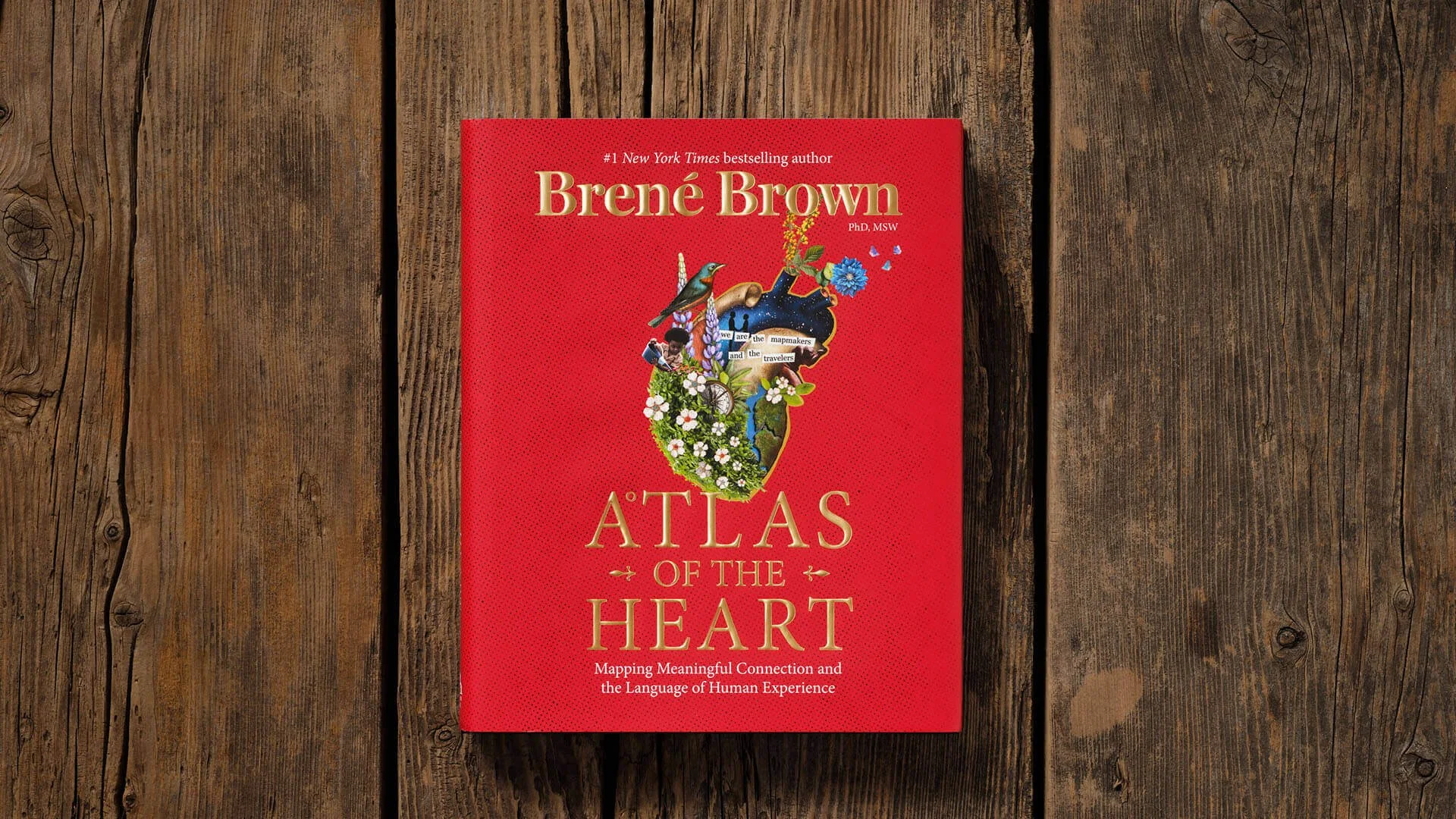
In her groundbreaking book "Atlas of the Heart," Brené Brown introduces the concept of "near enemies"—emotions that appear positive on the surface but are actually destructive forces in disguise.
Near enemies look like positive emotions but are actually destructive.
Understanding near enemies is crucial for authors because our industry often rewards behaviors that feel productive but are actually self-sabotaging.
Here are the most dangerous near enemy pairs that authors encounter:
Confidence versus Arrogance:
Confidence helps you pitch your work and believe in your abilities.
Arrogance makes you defensive to feedback and dismissive of industry guidance.
The difference? Confident authors remain open to growth.
Pride versus Hubris:
Pride celebrates your achievements and motivates continued effort.
Hubris pretends success is guaranteed and stops you from putting in the work.
Pride says "I earned this." Hubris says "I deserve this."
Humility versus Self-Deprecation:
Humility keeps you grounded and open to learning. It honestly acknowledges your strengths and weaknesses.
Self-deprecation undermines your credibility and pushes opportunities away. It says “I’m not good enough.”
Humble authors can acknowledge their limitations while still valuing their worth.
Understanding near enemies prevents self-sabotage disguised as growth.
The insidious nature of near enemies makes them particularly dangerous for authors. Each near enemy feels like its positive counterpart, which is why they're so effective at derailing careers.
For example, when you're feeling good about your work, it can be hard to recognize when confidence has shifted into arrogance that's pushing people away.
→ Learn more about near enemies and how they can affect your writing career, in Near vs Far Enemies in Author Life: Why Your 'Positive' Emotions Might Be Sabotaging Your Success.
Common Author Emotional Challenges
The publishing industry amplifies every emotional response you have.
A small disappointment becomes crushing defeat. A minor success feels like validation of your entire existence.
Let's examine the most common emotional challenges authors face:
Rejection Sensitivity:

Authors can develop an unhealthy relationship with rejection because of the sheer volume they encounter. Professional writers receive hundreds of rejections throughout their careers, yet each one can feel personal.
The near enemy here is mistaking "resilience" for "numbness."
True resilience processes each rejection, learns from it, and moves forward. Numbness just accumulates emotional damage until it explodes.
Success Anxiety:
Many authors are more comfortable with struggle than success. When good things happen—an agent request, a book deal, positive reviews—anxiety kicks in.
"I don't deserve this." "It's all going to fall apart." "I'm a fraud."
Imposter syndrome thrives in the publishing world because there's no clear path to "making it." Even successful authors often feel like they're fooling everyone and will eventually be exposed as talentless hacks.
Creative Comparison:
Social media makes it difficult to avoid comparing your journey to other authors. Their book deals, their sales numbers, their award nominations—everything becomes a measurement of your own inadequacy.
Each stage of your author journey brings new emotional challenges. The skills that help you survive the querying process won't necessarily help you handle publication stress or career stagnation.
Developing emotional intelligence for each career phase prevents being blindsided by predictable challenges.
→ Struggling with imposter syndrome? Learn how to take action in Overcoming Imposter Syndrome with Emotional Awareness.
Building Your Author Emotional Intelligence Toolkit
Emotional intelligence isn't a fixed trait—it's a skill set you can develop with practice. Like writing craft, it improves through consistent effort and deliberate practice.
This doesn’t have to be complicated! Studies show that just naming your emotions can make them more manageable.

Daily Emotional Check-ins
If you’re not feeling great, try starting each writing session with a brief emotional inventory. Instead of "I feel bad," get specific. Are you feeling:
Discouraged about your current project?
Anxious about an upcoming deadline?
Frustrated with your writing pace?
Envious of another author's success?
The more precise your emotional language, the more control you have.
Specific emotions have specific solutions. General "bad feelings" are overwhelming and paralyzing.
Pre-Writing Emotional Preparation
Before you sit down to write, take five minutes to identify what emotional state would serve your current project. Writing a tender love scene while you're furious about a rejection probably won't work.
This doesn't mean suppressing emotions. It means choosing when and how to channel them. If anger is getting in the way of a love scene, try skipping to a different part of your manuscript or perhaps doing a writing exercise. Only after your anger has been allowed to flow out, can a different emotional state filter in.
Post-Rejection Recovery Strategies
As authors, rejection is part of our livelihood. As such, it’s helpful to develop a specific protocol for handling rejection. This might include:
Allowing yourself exactly 24 hours to feel disappointed, then getting back to writing.
Identifying one thing you learned from the experience, then getting back to writing.
Celebrating that you're actively pursuing your goals, then getting back to writing.
Immediately send the next submission…then yes, get back to writing!
Your emotional intelligence grows stronger with practice, just like your writing.
With practice, rejections that once felt insurmountable can fall into a simple routine.
Step 1: Rejection. Step 2: Identify what I learned. Step 3. Get back to writing.
What was once daunting is now easy peasy.
Creating Emotional Boundaries

The publishing world will consume as much emotional energy as you're willing to give. Learning to set boundaries protects your creative energy for what matters most—your writing.
This means limiting time spent on social media comparisons, choosing carefully which industry events to attend, and recognizing when to disengage from unproductive conversations about the business.
Social media can be fun. But if it’s getting in the way of your writing, consider the possibility that your social feeds have morphed into procrastination or self-sabotage disguised as fun.
Using Emotions as Creative Fuel
The goal with emotional intelligence isn't to eliminate difficult emotions—it's to transform them into creative energy.
Your frustration with the industry can fuel a satirical novel. Your heartbreak can deepen your understanding of loss in your characters.
Every emotion you experience as an author can become material for your work.
The key is timing. Process the emotion first, then mine it for creative gold.
Emotional Intelligence in Different Author Contexts
During the Writing Process
Your emotional state while writing directly impacts the quality of your work. Anxiety produces stilted prose. Repressing your emotions flattens everything.
Characters can only be as emotionally complex as their creator understands emotions to be.
Developing your emotional vocabulary improves your character development.
When you understand the difference between disappointment and devastation, between irritation and rage, between contentment and joy, your characters become more nuanced.
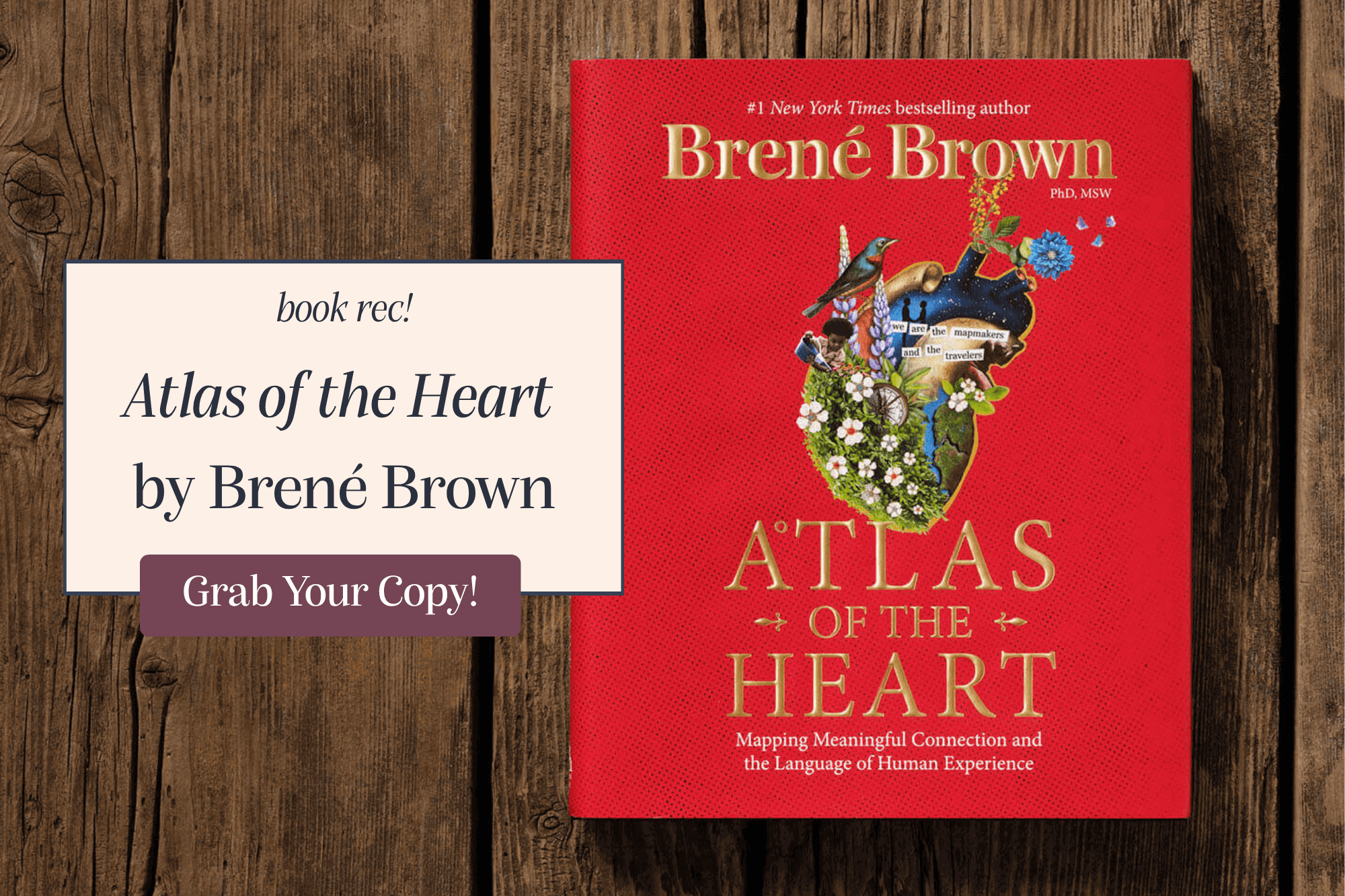
This is why I found Atlas of the Heart by Brené Brown SO helpful and recommend it to any author (and honestly, any human being).
During Publishing and Submission
The submission process is designed to test every emotional skill you've developed. Months of waiting, form rejections, near-misses that don't pan out—it's emotional warfare.
The industry will test every emotional skill you've developed.
Authors with strong emotional intelligence approach submission strategically rather than desperately. They understand that rejection isn't personal judgment but business compatibility.
During Networking and Professional Relationships

Publishing is a relationship business, but many authors approach networking with anxiety, desperation, or false enthusiasm. Emotional intelligence helps you form genuine connections based on mutual interest rather than what someone can do for your career.
Your emotional intelligence becomes your competitive advantage.
People want to work with authors who are emotionally mature, professionally reliable, and personally pleasant. Your talent gets you in the door, but your emotional intelligence determines how far you go.
During Reader Interactions
Handling reader feedback—both positive and negative—requires emotional sophistication. Gushing over every positive review makes you seem insecure. Arguing with negative reviews makes you look unprofessional.
Emotionally intelligent authors engage authentically with readers while maintaining appropriate boundaries.
Emotional Intelligence Strategies
The good news is that emotional intelligence is something you can learn and develop.
Emotional Vocabulary Expansion
Most people use about a dozen emotion words regularly. Expanding your emotional vocabulary to include subtle distinctions dramatically improves your emotional intelligence.
Instead of "upset," you might be:
Frustrated (blocked from a goal)
Disappointed (expectations not met)
Hurt (feeling devalued)
Angry (boundaries violated)
Discouraged (losing motivation)
Each of these emotions requires a different response strategy.

Creating Emotional Writing Rituals
Develop rituals that help you access specific emotional states for your writing. This might include meditation for clarity, music for energy, or movement for releasing tension.
Learning which rituals work best when you're frustrated versus sad versus feeling insecure can be a wonderful way to work through experiences rather than getting bogged down by them.
The goal is sustainable emotional resilience, not emotional numbness. You want to bounce back from setbacks without losing access to the feelings that fuel your creativity.
Emotional intelligence and creativity are partners, not enemies.
This requires learning to feel your emotions fully without being controlled by them. As authors, we want to befriend our feelings, not run away from or suppress them.
→ Explore exercises for different emotional states, in 10 Emotional Reset Rituals for Authors.
The Connection Between Emotional Intelligence and Author Success
Authors with high emotional intelligence consistently outperform those with superior technical skills but poor emotional management. Here's why:
They make better business decisions because they're not driven by fear, desperation, or ego.

They build stronger professional relationships because they understand and respond appropriately to others' emotional needs.
They create more compelling characters because they understand emotional nuance and complexity.
They handle industry challenges more effectively because they don't take business decisions personally.
They maintain longer, more sustainable careers because they don't burn out from emotional overwhelm.
In other words, strong emotional intelligence multiplies the impact of every other skill you develop as an author.
→ But what happens with the ego you’re dealing with is not your own? Explore how to manage in Navigating Publishing Industry Egos: How to Deal with Difficult Personalities Without Sabotaging Your Career.
Putting It All Together: Your Emotional Intelligence Action Plan
Starting today, implement these foundational practices to improve your emotional intelligence and support your literary career:
Month 1: Emotional Awareness
Begin daily emotional check-ins before writing.
Start building your emotional vocabulary by reading Atlas of the Heart.
Notice your emotional patterns without trying to change them.
Month 2: Emotional Management
Develop your post-rejection recovery protocol. Feel free to try different rituals until you find one or two that feel good in your body.
Practice using specific emotions as creative fuel.
Notice when social media becomes procrastination, and set boundaries around industry social media consumption.

Month 3: Emotional Application
As you begin to expand your emotional vocabulary and deepen your understanding of your own emotions, apply your emotional intelligence insights to deepen the character development in your writing.
Practice emotionally intelligent responses in professional interactions, instead of reacting out of insecurity or fear.
Begin tracking your emotional patterns over time. As you’ve begun befriending your emotions, what changes are you seeing in yourself and your writing?
Month 4 and Beyond: Advanced Practice
Continue to develop emotional writing rituals when you feel stuck or afraid.
Continue to expand your emotional vocabulary.
Share your emotional intelligence insights with other people in your life.
The important thing is not to rush this process. Building emotional tools and awareness takes time. If you attempt to complete all the above steps simultaneously, you increase the likelihood of becoming overwhelmed and shutting down.
Treat your emotions like a deer you’re trying to befriend. Better to move slowly and calmly than to frighten it away.
→ Best of all, learning this doesn’t just improve your life; it also improves your writing. Learn how in Using Near vs Far Enemies for Character Development: How Emotional Nuance Creates Unforgettable Characters.

Your Emotional Intelligence Journey Starts Now
The path to becoming an emotionally intelligent author isn't about perfection—it's about progress.
Every time you pause to name a specific emotion instead of saying "I feel bad," you're building this crucial skill.
Every time you process rejection without letting it derail your writing schedule, you're developing resilience.

Every time you celebrate another author's success without comparing it to your own journey, you're practicing emotional maturity.
The authors who thrive long-term aren't necessarily the most talented—they're the ones who develop emotional resilience, build genuine professional relationships, and create sustainable creative practices.
The publishing industry will always be challenging. Rejection will always sting. Success will always feel uncertain.
But with strong emotional intelligence, these challenges become manageable parts of your professional journey rather than career-ending catastrophes.
Your emotions aren't obstacles to overcome. They're tools to master.
→ Ready to dive deeper into managing your daily author emotions? Discover the specific emotional traps that sabotage authors in Near vs Far Enemies: Managing Author Emotions, Article 2 of The Author's Emotional Toolkit Series.
Ready to build an author presence that reflects your emotional maturity?
You've done the inner work to develop emotional intelligence—now it's time to show the publishing world you're a professional worth taking seriously. A strategic author website signals that you understand your brand and approach your career with the same intentionality you've applied to your emotional growth.