7 Fairy Tale Story Structures That Still Work Today

Part 3 of Feline Folklore: A Master Class with Charlie Creed
Why do fairy tales feel satisfying even when you know exactly what's going to happen?
Because the structure itself creates the satisfaction.
The hero faces three trials. The youngest sister succeeds where her elders failed. The forbidden door gets opened. Justice—often poetic, sometimes brutal—is served.
These patterns aren't arbitrary. They're psychological architecture.
They tap into something deeper than plot—they satisfy fundamental human needs for pattern, resolution, and meaning.
Here's what most writers don't realize: you're already using fairy tale structures in your work, whether you write contemporary literary fiction, fantasy, horror, or anything in between.
The difference between using them unconsciously and using them with intention? That's the difference between a story that works and a story that resonates.

Charlie Creed's The Cat's Tales: Feline Fairy Tales and Folklore demonstrates these structures across different cultural traditions.
The patterns repeat because they work—and they work because they're wired into how humans understand story.
Today, I'm breaking down seven specific fairy tale structures and showing you exactly how to apply them to contemporary fiction.
These aren't just for fantasy writers.
These are universal patterns that power everything from literary fiction to thrillers.
Let's dive in.
New to this series? Start with Part 1: “Why Authors Should Study Folklore: 7 Lessons from Cat's Tales” to understand why folklore is your best teacher for craft fundamentals—then come back here to master the structures that have kept audiences engaged for centuries.

Structure 1: The Rule of Three
Things happen in threes in fairy tales. Three trials. Three wishes. Three siblings. Three attempts before success.
Why three?
Because two is comparison, but three is pattern. Three creates rhythm. Three feels complete.
This isn't superstition—it's cognitive psychology. Our brains are wired to recognize patterns, and three is the minimum number required to establish one. Two could be coincidence. Three is intentional.
How to use it in your fiction:
The Three-Trial Structure:
First attempt: Character tries the obvious solution (fails)
Second attempt: Character tries harder/smarter (fails differently)
Third attempt: Character transforms their approach (succeeds or fails meaningfully)
Why it works: Each failure teaches something. The progression shows character growth. The reader anticipates the pattern and gets satisfaction when it completes.
Example from Cat's Tales:
Many of Creed's tales follow this pattern—a character faces three tests, each progressively more difficult, each requiring different wisdom or courage. This structure creates escalation while feeling inevitable rather than arbitrary.
In contemporary fiction:
Think of how many novels have the protagonist fail twice before the final confrontation. Or how a character might receive three pieces of advice, reject the first two, and finally accept the third when they've grown enough to understand it.
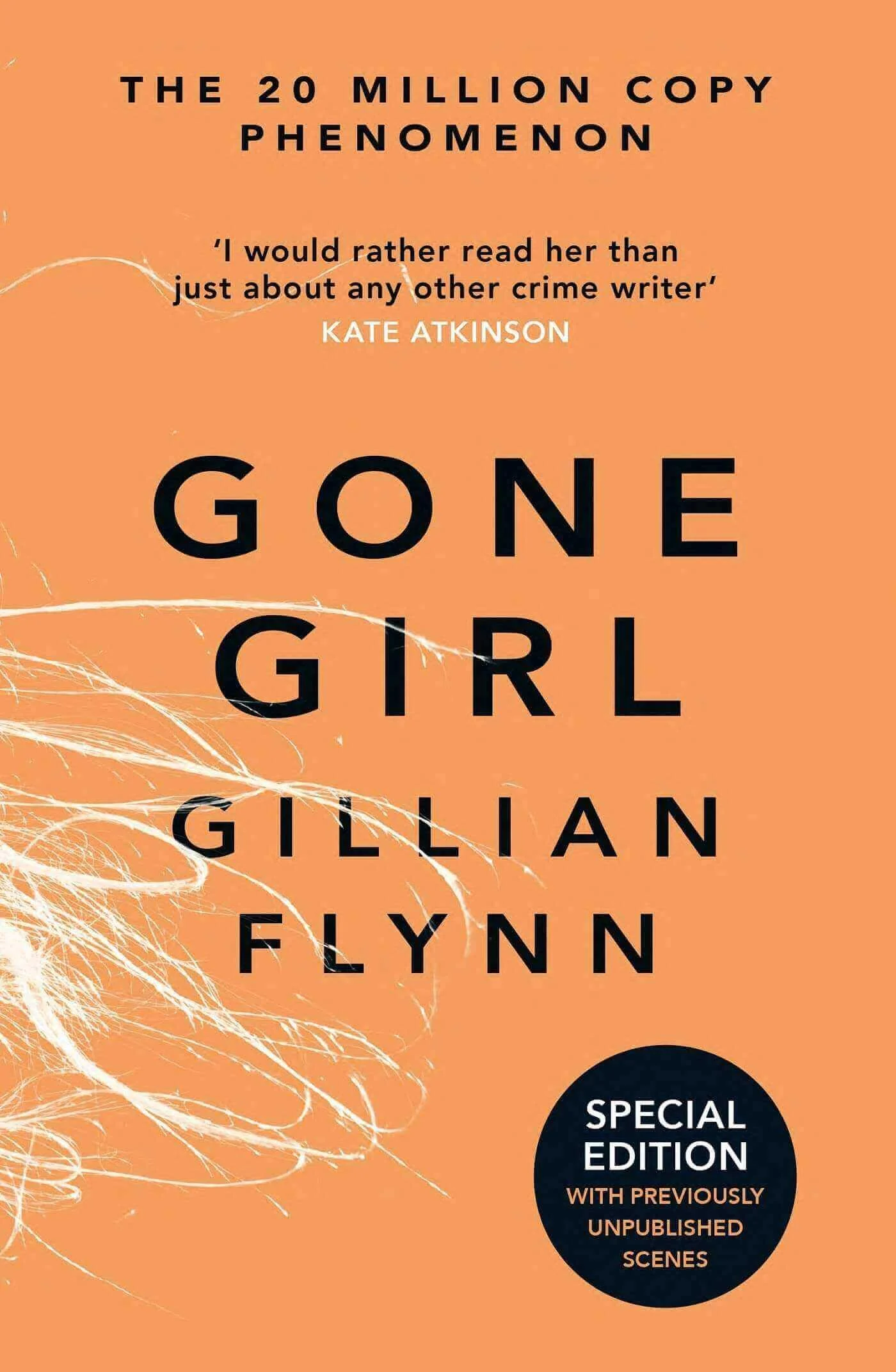
Gillian Flynn uses this brilliantly in Gone Girl—Nick makes three major miscalculations in understanding his wife, each revealing deeper layers of both their marriage and the mystery.
The lesson: When you have multiple attempts, challenges, or revelations in your story, structure them in threes. It creates a satisfying rhythm and a sense of completeness.
Structure 2: The Transformation Arc
At its core, every fairy tale is about transformation.
A beast becomes human. A pauper becomes royalty. A wooden puppet becomes a real boy.
The external transformation reflects internal change.
This is perhaps the most universal story structure we have—and it works because we recognize ourselves in it. We're all in the process of becoming.
How to use it in your fiction:
The Transformation Structure:
Establish what your character is (externally and internally)
Create conditions that make transformation necessary
Show the painful middle where they're neither one thing nor another
Complete the transformation—or show what happens when they resist it
Why it works: Transformation stories satisfy our deep need to believe change is possible. They also create clear before/after contrast that makes character development visible.
Example from folklore:
The selkie stories in Scottish folklore are perfect transformation narratives—a seal becomes human, lives in both worlds, and ultimately must choose. The external transformation (seal to woman) reflects the internal conflict (freedom vs. belonging).

In contemporary fiction:
Tara Westover's Educated is a memoir structured as a transformation tale—from isolated survivalist child to Cambridge scholar. The external transformation is dramatic, but it's the internal transformation (her understanding of self, family, truth) that makes the story powerful.
Barbara Kingsolver uses transformation structure in Demon Copperhead, where the protagonist's journey from traumatized child to self-aware adult follows classic fairy tale patterns even though it's set in modern Appalachia.
The lesson: Transformation doesn't require magic. It requires a character who begins as one thing and becomes another—and showing that metamorphosis is painful, necessary, and earned.
Structure 3: The Forbidden Door
Every fairy tale has a rule that must not be broken.
Don't open the box. Don't look back. Don't speak for seven years. Don't enter the West Wing.
And of course, someone always breaks the rule.
This structure creates narrative inevitability while exploring human nature. We can't help ourselves. Curiosity, desire, or desperation will override prohibition.
How to use it in your fiction:
The Forbidden Door Structure:
Establish a clear boundary/rule/prohibition
Make the reader understand why it exists
Create conditions that make breaking it tempting or necessary
Show the consequences (which may be punishment, revelation, or transformation)
Why it works: It taps into our psychological need to know what's hidden. It creates suspense through delayed revelation. And it explores the tension between obedience and autonomy.

Example from Cat's Tales:
Folklore is full of cats who guard thresholds, who know secrets, who observe what humans think is hidden. The forbidden knowledge structure appears repeatedly—a character learns something they weren't meant to know or does something they weren’t supposed to do, and that changes everything.
In contemporary fiction:
The entire mystery/thriller genre is built on the forbidden door structure. The detective is told to stay away from the case. The journalist is warned not to investigate. The protagonist opens the email they shouldn't have read.
Sarah Waters uses this structure in The Little Stranger—the forbidden room in the deteriorating mansion becomes the center of everything, and the protagonist's transgression of social and physical boundaries drives the narrative toward its disturbing conclusion.
The lesson: Create a boundary in your story. Make it clear. Make it meaningful. Then explore what happens when it's crossed.
Structure 4: The Youngest Child Succeeds
In fairy tales, birth order matters.
The eldest sibling is confident but inflexible. The middle one is clever but not wise.
The youngest is underestimated—and that's exactly why they succeed.
This structure subverts power hierarchies and creates satisfying reversals. It tells us that being overlooked, dismissed, or considered weak can be an advantage.
How to use it in your fiction:
The Underdog Structure:
Establish the hierarchy (who has power, status, or advantage)
Show your protagonist's position at the bottom
Demonstrate why their "weakness" is actually strength
Let them succeed not despite their position, but because of what it taught them
Why it works: Readers love an underdog. This structure creates rooting interest immediately. It also allows your protagonist to see things those in power miss—they have nothing to lose, so they take risks others won't.
Example from folklore:
Across cultures, the youngest child pattern appears constantly. They're kinder to the magical creature. They share their bread with the old woman at the crossroads. Their humility and generosity—qualities that come from being powerless—become their greatest assets.
In contemporary fiction:
This is the structure of almost every ‘chosen one’ narrative, but it works best when the "weakness" is genuine and meaningful.
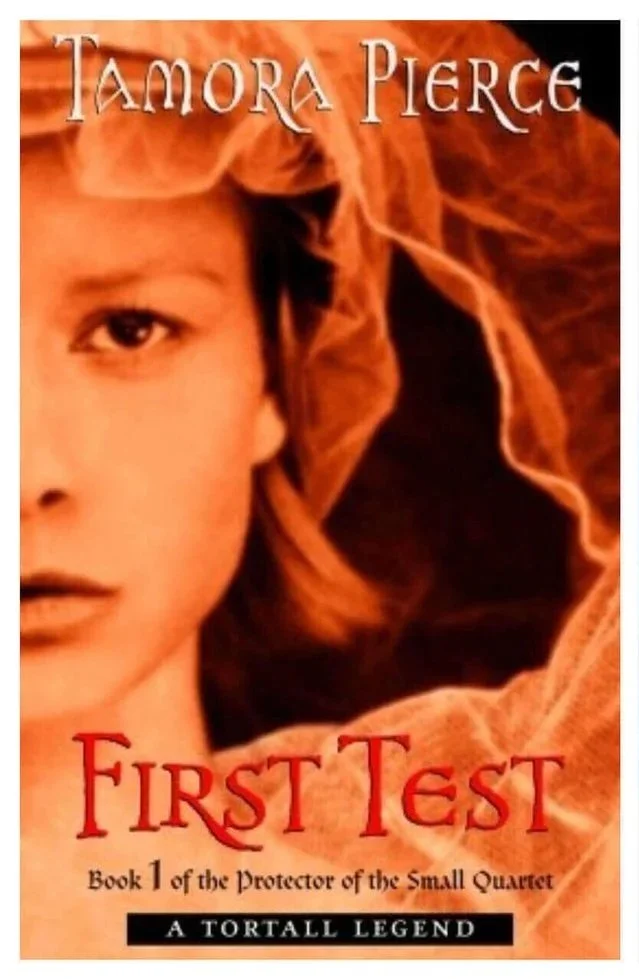
In Tamora Pierce's Protector of the Small quartet, Kel succeeds not because she's the strongest or most magically gifted, but because her position as the first openly female page taught her resilience, patience, and how to navigate systems designed to exclude her.
The lesson: Your protagonist doesn't need to start powerful. In fact, starting powerless and transforming that into strength creates a more satisfying arc.
Structure 5: The Impossible Task
Spin straw into gold. Sort a mountain of grain by morning. Find the castle at the edge of the world.
Fairy tales give characters impossible tasks—and then show them finding impossible solutions.
This structure is about resourcefulness, help from unexpected sources, and the difference between what seems impossible and what actually is.
How to use it in your fiction:
The Impossible Task Structure:
Give your character a task that seems genuinely impossible
Show them attempting conventional solutions (and failing)
Introduce an unexpected resource, ally, or approach
Let them succeed in a way that transforms them
Why it works: It creates high stakes and clear goals. It forces creativity from both character and writer. And it allows for the most satisfying kind of resolution—the one that was always possible but not obvious.

Example from folklore:
Rumpelstiltskin gives the miller's daughter an impossible task, which she completes with magical help—but at a price. The structure isn't just about achieving the impossible; it's about what you're willing to sacrifice for it.
In contemporary fiction:
Every heist novel uses this structure. Ocean's Eleven, Six of Crows, The Italian Job—all impossible tasks that require assembling exactly the right team with exactly the right skills.
Erin Morgenstern's The Night Circus builds its entire plot around impossible tasks—create a circus of wonders, fall in love within impossible constraints, find a way to break rules that seem unbreakable.
The lesson: Don't be afraid to give your character a genuinely impossible task. Then get creative about how they approach it. The impossibility is what makes the solution satisfying.
Structure 6: The Threshold Crossing

Many fairy tales have a moment where the character leaves the familiar world and enters someplace else.
Into the forest. Through the forbidden door. Down the rabbit hole.
Crossing a threshold that divides the ordinary from the extraordinary.
This structure creates clear act breaks and allows you to establish new rules for your narrative.
How to use it in your fiction:
The Threshold Structure:
Establish the ordinary world clearly
Create a threshold (physical, psychological, or both)
Show the character crossing it (voluntarily or forced)
Operate by different rules in the new space
Eventually cross back (but changed)
Why it works: Thresholds create natural story structure. They signal to readers that something fundamental is shifting. They allow you to introduce new elements without breaking the reality you've established.
Example from Cat's Tales:
Cats in folklore are threshold creatures—they live in houses but hunt in the wild, they're domestic but never fully tamed. Stories featuring cats often involve crossing between worlds or states of being.
In contemporary fiction:
This is the structure of The Lion, the Witch and the Wardrobe, obviously, but it also powers literary fiction.
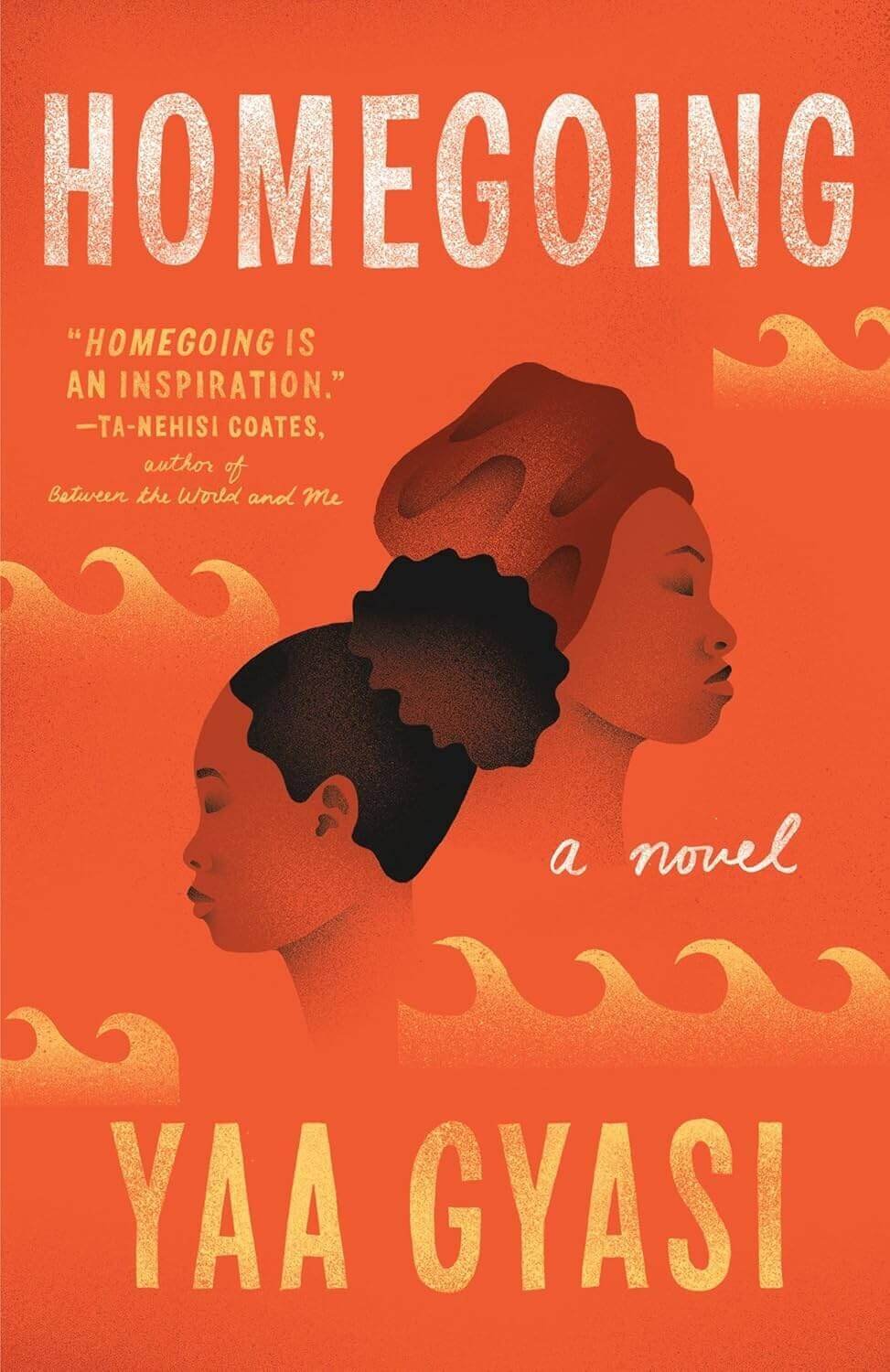
Yaa Gyasi's Homegoing uses threshold crossings across generations—each character crosses from one state to another (slavery to freedom, Africa to America, Ghana to Alabama), and each crossing transforms everything.
The lesson: Identify the thresholds in your story. Make crossing them meaningful. Use them to mark major shifts in your narrative.
Structure 7: Justice Must Be Served
Fairy tales believe in consequences.
The wicked stepmother dances in red-hot iron shoes. The greedy brother loses everything. The kind daughter receives riches.
Actions have proportional results.
This structure satisfies our deep need for moral order, even when the justice delivered is harsh.
How to use it in your fiction:
The Justice Structure:
Establish character actions and choices clearly
Create consequences that fit the choices (not necessarily punishment—sometimes reward)
Make the justice feel inevitable rather than arbitrary
Allow for poetic rather than literal justice when appropriate
Why it works: Readers need to feel that choices matter. This structure shows that actions have consequences, creating both satisfaction and meaning.
Example from folklore:
The justice in fairy tales is often brutal but fitting. Those who showed kindness, receive kindness. Those who were cruel, receive cruelty. It's not about rehabilitation—it's about cosmic balance.
In contemporary fiction:
Crime fiction depends on this structure—the detective ensures justice is served, even when the legal system can't or won't.
But literary fiction uses it too. Donna Tartt's The Goldfinch is fundamentally about consequences—every choice Theo makes ripples forward, and the justice he faces is internal as much as external.
The lesson: Don't abandon consequences in the name of realism. Readers need to feel that choices matter. The justice doesn't have to be obvious or immediate—but it should be inevitable.
Using These Structures in Your Work

These seven structures aren't meant to be used in isolation. The most powerful stories combine them.
A character (underdog) is given an impossible task (impossible task) that requires crossing into a dangerous world (threshold). They face three trials (rule of three) and must choose whether to break a prohibition (forbidden door). The journey transforms them (transformation), and justice is served (consequences).
Sound familiar? That's because it's the pattern underlying many of our favorite stories.
You don't have to write fairy tales to use fairy tale structures. You just have to understand that these patterns satisfy fundamental human psychological needs.
Study them. Recognize them in the fiction you love. Then use them deliberately in your own work.
That's how you create stories that resonate.
Ready to build an author brand with structural intentionality?
These fairy tale structures have endured for centuries because they satisfy deep psychological needs—your author brand deserves the same kind of timeless, intentional architecture. This free guide shows you how to build a foundation that resonates.