
Cozy Fiction's Prescription for Publishing Success

Article 5 of The Cat Prescription Series
The Success of We’ll Prescribe You A Cat
We'll Prescribe You A Cat—a gentle story about healing, mysterious prescriptions, and the transformative power of caring for something beyond yourself—was a worldwide success.
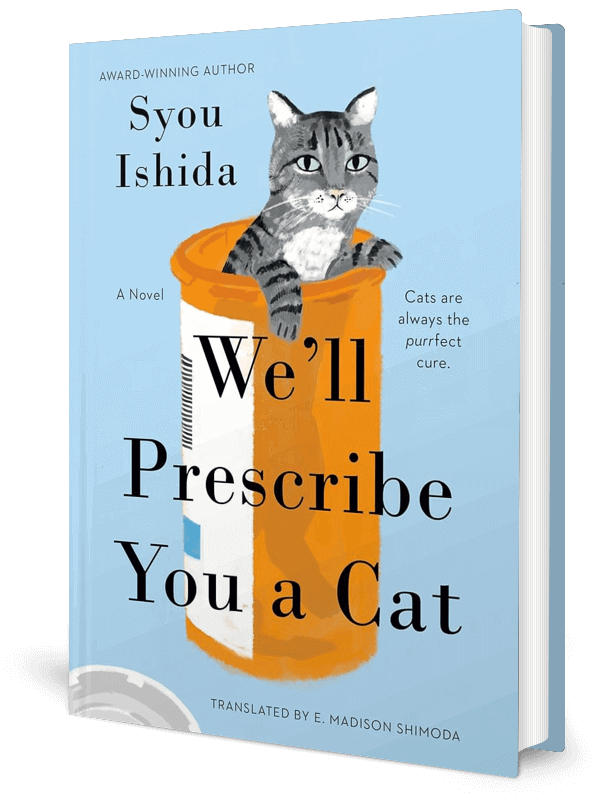
Readers across cultures, languages, and continents have embraced Syou Ishida's tender tale of emotional restoration.
But why?
What makes this quiet story about cats and healing so universally appealing in our current publishing landscape?
Whether you're building a series or crafting standalones, understanding your genre's market moment is crucial for success.
The answer isn't just about cats—it's about timing.
Ishida's book arrived at exactly the right moment when readers worldwide were craving stories about healing, comfort, and gentle transformation. Her success isn't just about cats—it's about tapping into readers' deep hunger for emotional restoration.
The success of We’ll Prescribe You A Cat represents the broader rise of cozy fiction, a publishing trend that extends beyond traditional cozy mysteries to encompass any story that prioritizes healing over harm, connection over conflict, and hope over despair.
Understanding this shift—and how to write authentically within it—may be the most important prescription for publishing success in today's market.
—> Need to catch up on the series? Start with article 1, “Your Author Brand Isn’t Your Genre.”

The Cozy Fiction Renaissance
Walk into any bookstore or scroll through BookTok, and you'll notice something significant happening.
Readers are actively seeking books that comfort rather than challenge, heal rather than harm, restore rather than devastate.
This isn't your grandmother's cozy mystery genre. Modern cozy fiction encompasses everything from gentle fantasy to healing romance to hopeful literary fiction.

The comfort reading trend exploded post-pandemic as readers sought emotional restoration rather than additional stress.
Social media algorithms began favoring content tagged with #comfortreads, #cozyfiction, and #feelgoodbooks.
BookTok creators build entire platforms around "books that heal your soul."
Bestseller lists regularly feature titles promising emotional comfort and hopeful endings.
We'll Prescribe You A Cat exemplifies exactly what readers want: a story that acknowledges life's difficulties while providing gentle paths toward healing.
The book doesn't shy away from real problems—job burnout, social anxiety, grief, isolation—but it approaches these challenges with compassion rather than dramatic intensity.
This shift represents more than a trend—it's a fundamental change in what readers need from fiction.
Readers aren't just seeking escapism—they're seeking emotional healing through gentle, hopeful storytelling.
But "cozy" doesn't mean simple or unchallenging. The best cozy fiction tackles real issues with authentic emotion—it just approaches problems with hope rather than cynicism, connection rather than isolation.
What Makes Fiction "Cozy" in the Modern Market
Modern cozy fiction isn't defined by setting or genre—it's defined by approach. Understanding these core elements helps authors craft stories that serve the growing comfort reading market.
Element 1: Gentle Conflict Resolution

Cozy fiction solves problems through connection, communication, and care rather than violence, betrayal, or dramatic confrontation.
In Ishida's stories, the businessman's burnout isn't resolved through quitting his job or dramatic career change—it's healed through discovering joy in simple manual labor while caring for a playful cat.
Element 2: Healing-Focused Themes
Every cozy story centers on some form of recovery, growth, or emotional restoration. Characters begin wounded and end more whole.
The Kokoro Clinic patients all arrive broken in different ways—socially anxious, grief-stricken, professionally burned out. They leave with tools for healing and renewed hope.
Element 3: Community and Connection
Cozy fiction emphasizes relationships, found family, and belonging. Even solitary characters discover connection through their healing journey.
Patients don't heal in isolation—they heal through caring for cats, which creates new relationships and perspectives on connection itself.

Element 4: Hopeful Worldview
Challenges exist, but solutions are possible through care, kindness, and persistent effort. The world may be difficult, but it's not hostile.
The clinic's very existence represents hope—the idea that healing is always available to those who genuinely need it, even if the help comes in unexpected forms.
Element 5: Manageable Stakes
Personal problems feel important to characters without being apocalyptic. The fate of the world doesn't hang in the balance, but individual wellbeing does.
A young girl's struggle with school social dynamics matters deeply without requiring dramatic bullying scenarios or extreme consequences.
The Publishing Market for Cozy Fiction
The genius of Ishida's approach is that each story addresses real emotional pain—isolation, burnout, social anxiety, grief—while maintaining hope that healing is possible through gentle intervention.
Readers feel emotionally safe engaging with difficult topics because the narrative approach promises resolution through care rather than catastrophe.
The commercial opportunity for this type of cozy fiction has never been stronger.
The demographic driving this trend spans multiple generations: aging millennials seeking emotional restoration after years of economic and social stress, Gen Z readers overwhelmed by global anxiety, and older readers who've always appreciated gentle storytelling.
Publishers recognize that cozy fiction fills a genuine market need.
We'll Prescribe You A Cat's international success—translated into seventeen languages—proves that stories about healing and hope resonate universally, regardless of cultural specificity.
Writing Authentic Cozy Fiction
Creating successful cozy fiction requires understanding the difference between genuine comfort and artificial sweetness. The best cozy stories acknowledge real pain while providing believable paths toward healing.

Strategy 1: Focus on Emotional Truth
Genuine healing requires acknowledging genuine pain. Cozy fiction works because it doesn't minimize real struggles—it approaches them with compassion.
Ishida's characters face authentic problems: workplace burnout, social isolation, and grief. The comfort comes from the caring response, not from pretending these problems don't exist.
Strategy 2: Develop Warm, Flawed Characters
Perfect characters provide no emotional connection. Readers need relatable people working through realistic challenges with genuine vulnerability.
The businessman struggling with job burnout feels real because his exhaustion and disconnection are portrayed authentically, not stereotypically.
Strategy 3: Create Safe Narrative Spaces
Cozy fiction settings should feel like places where vulnerability and growth are possible. Readers need to trust that characters can heal within your fictional world.
The Kokoro Clinic represents the perfect cozy setting—mysterious enough to be intriguing, safe enough for emotional healing, and staffed with beings (cats) incapable of judgment or betrayal.
Strategy 4: Balance Conflict and Comfort
Enough tension to keep readers engaged, enough safety to provide emotional comfort. The conflict serves character growth rather than dramatic intensity.
Each patient's problem creates narrative tension, but the clinic's existence promises resolution, allowing readers to engage with difficult emotions without fear.
Strategy 5: Emphasize Connection Over Competition

Characters help rather than defeat each other. Even antagonistic relationships focus on misunderstanding rather than malice.
No villains exist in Ishida's stories—only people struggling with their own pain who need different approaches to healing.
Strategy 6: Include Sensory Comfort Details
Food, nature, cozy spaces, familiar routines—concrete details that evoke physical and emotional comfort help readers feel safe within your fictional world.
The clinic's specific location details, the cats' individual personalities, and the realistic paperwork procedures all contribute to a sense of grounded comfort.
The Future of Cozy Fiction
The cozy fiction market shows no signs of slowing.

If anything, continued global stress and social fragmentation suggest readers will increasingly seek stories that provide emotional restoration.
Publishers predict continued growth as readers consciously choose comfort reading over deliberately distressing content. The genre will likely expand beyond current boundaries as authors discover new ways to provide healing through storytelling.
Cozy fiction serves both readers and authors by creating sustainable creative careers built on providing genuine value—emotional restoration—to audiences who desperately need it.
Like the Kokoro Clinic's enduring appeal, cozy fiction succeeds because it provides exactly what readers need: proof that healing, connection, and hope are always possible.
The clinic's mysterious existence in modern Kyoto represents something readers crave—the possibility that help is available, that healing is real, and that solutions exist even for problems that feel insurmountable.
This is why Ishida's gentle story became a global phenomenon and why cozy fiction represents one of publishing's most promising opportunities.
—> Want to dive into cozy fiction’s evolving subgenres? Explore the cozy fiction bonus article, “The Complete Guide to Cozy Book Trends.”

Series Conclusion & Final Thoughts
Throughout this Cat Prescription Series, we've explored how authentic success comes from understanding and serving readers' genuine needs—whether through aligned branding, strategic website structure, or sustainable writing routines.
The central theme connecting every prescription: authenticity serves both authors and readers better than manufactured approaches.
Whether your prescription involves cozy fiction, dynamic websites, daily writing routines, or skillful magical realism, success comes from providing a genuine service to your authentic audience.
The Kokoro Clinic works because it provides exactly what each patient needs. Your author career will work the same way—when you stay true to your authentic voice.
Take the prescriptions that feel right for your author journey. Trust the process. Show up consistently.
Your readers are waiting for exactly what you have to offer.
Ready to Position Yourself in the Cozy Fiction Market?
Understanding cozy fiction's publishing potential is one thing—crafting an authentic brand that positions you in this healing-focused space is another. My Professional Author Brand guide helps you identify your unique approach to comfort storytelling so you stand out in this growing market — without sacrificing authenticity.

