
The Comp Title That Sold Remarkably Bright Creatures Before Anyone Read Page One

Part 3 of Beyond the Octopus: A Remarkably Bright Creatures Masterclass
Open Amazon. Barnes & Noble. Powell's. Shelby Van Pelt’s own website. Every single one says the same thing, right at the top of the description.
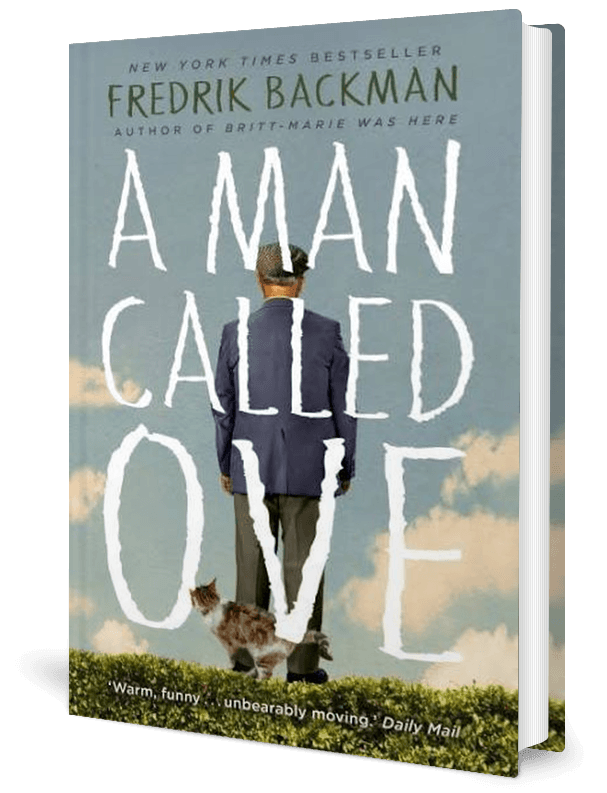
"For fans of A Man Called Ove."
Six words. Before the plot summary. Before the blurb from a fellow author. Before anything else about Tova or Marcellus or the mystery of a boy who disappeared thirty years ago.
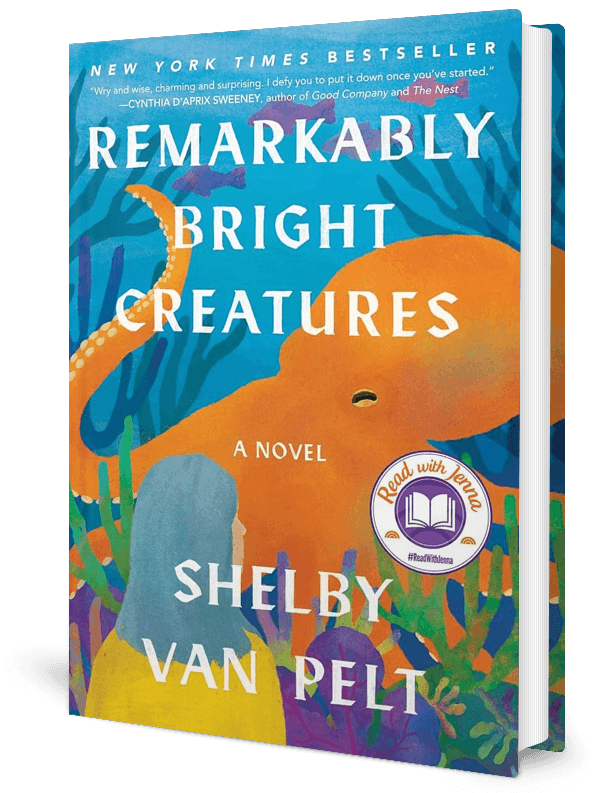
Six words that told booksellers, librarians, book club leaders, and readers exactly what they were holding. Exactly who it was for. Exactly where to put it on the shelf in their hearts.
A comp title isn't just a query letter requirement. It's a positioning decision that shapes how an entire industry receives your work.
We talk about comp titles like they're a box to check. Like the hard part is finding one that fits and the whole thing is basically trivia.
But look at what "For fans of A Man Called Ove" actually did for this book. That's not a checkbox. That's strategy.
→ Catch up on the whole story in Why Remarkably Bright Creatures Became a Bestselling Debut Novel (It Wasn't the Octopus).
What Comp Titles Actually Do
Here's the hard truth about traditional publishing: nobody has time to be surprised.
Not agents sorting through hundreds of queries.
Not editors building their acquisition lists.
Not booksellers deciding what to hand-sell.
Not book club leaders choosing their next pick.
Everyone in the chain between your manuscript and a reader's hands is making fast decisions with incomplete information. Comp titles are how you help them make the right one. Fast.
Why? Because a great comp title does three things simultaneously.
It signals tone.
"For fans of A Man Called Ove" tells you this book is warm, a little melancholy, quietly funny, and ultimately hopeful. You know what you're in for before you read a word.
It signals audience.
Ove readers are literary fiction readers who like character-driven stories. They're not looking for thriller pacing or dystopian world-building. The comp self-selects the right people in and the wrong people out. That's not a bug. That's the whole point.
It signals market viability.
Agents and editors need to know a book like yours has sold before. A Man Called Ove sold millions of copies worldwide and was adapted into film twice over. Using it as a comp says: there is an enormous, proven audience for this type of book.
One comp title. Three jobs done before the reader hits the first sentence of the plot summary.
The Rule They Broke (And Why It Worked)
Here's where it gets interesting for those of us deep in the querying trenches.
Most comp title advice says: don't use mega-bestsellers. Don't use books that have been adapted into films. They're too big. You'll look naive. You'll set an impossible bar.
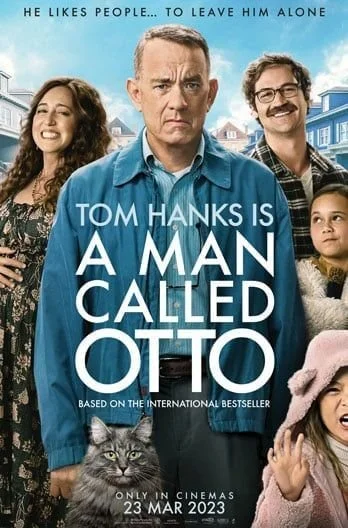
A Man Called Ove had already been adapted into a Swedish film in 2015 and was in the process of being remade into a Hollywood film starring Tom Hanks. It had sold millions of copies across dozens of countries.
By conventional wisdom, it was off the table as a comp.
Van Pelt's team used it anyway.
Why? Because no other book was doing what A Man Called Ove does in quite the same way. The warm, quietly devastating story of an unlikely friendship between a curmudgeonly protagonist and the people who crack him open. Nothing else in recent literary fiction occupied exactly that space.
When there's no recent equivalent, you reach for the book that owns the feeling. Even if it breaks the rules.
The comp title rule isn't a rule. It's a suggestion.
Know why the suggestion exists before you decide whether to follow it.
I queried for two years before signing with my literary agent. (Two years. Many spreadsheets. An embarrassing number of browser tabs about comp title rules.)
I know what it's like to agonize over comp titles. To wonder if they're too big, too small, too old, too niche. To second-guess every choice.
But watching how "For fans of A Man Called Ove" functioned for this book taught me something.
The question isn't whether a comp follows the rules. The question is whether it does the three jobs. Tone, audience, market viability.
If it does all three and no other book else does, that's your comp. No matter how big.
What This Means for Your Query Letter
The comp title conversation usually happens too late. We finish the manuscript, we start drafting the query, and then we panic about comps.
Instead, start thinking about your comp titles while writing your book.
Why? Because knowing what emotional territory your book occupies and who it's for, will sharpen your writing.
The book that knows what it is, tends to be a better book than the one still figuring it out.

Ask yourself the three questions.
What tone does my book have that another book has had before?
What reader is this book for, specifically, not broadly?
What book has proved that audience exists and will spend money?
The intersection of those three answers is your comp title.
If you can't answer those questions, the comp title isn't the problem. It’s a clarity and positioning problem.
And those aren’t just a query letter issue. If your book is not easily shelved, that problem will follow it into publication (if it manages to get that far), into the marketing materials, into the cover design, and into the conversations booksellers have about it.
The clearer you are on what your book is and who it's for, the better every downstream decision gets.
→ We dig into exactly how that clarity shows up on the cover in Remarkably Bright Creatures Cover Design: 5 Packaging Lessons for Debut Authors.

The Six Words That Sold a Debut Novel
There's something worth sitting with here.
Shelby Van Pelt's debut novel sold four million copies. It's been published in 38 countries. It's a Netflix film starring Sally Field.
And somewhere at the beginning of all of that, in a query letter, in the pitch to publishers, in the first draft of marketing copy, someone chose six words.
For fans of A Man Called Ove.
Not because it was the safest choice. Not because it followed every comp title rule. Because it was the truest possible shorthand for what the book was and who it was for.

That's what a great comp title does.
It finds the truest shorthand for your book and puts it in the hands of the people who need to make decisions about it.
We spend so much time worrying about the craft inside the book. Rightly so. But the craft of positioning, of knowing what your book is before you try to tell anyone else, matters just as much.
Your book deserves a comp title that does it justice. Not a safe one. Not one that technically fits. The truest one.
Now, go find it.
Not sure how to position your author brand before you even have a book deal?
That clarity starts with understanding your Author DNA. Who you are as a writer, not just what you've written. The "Build a Brand That Grows With You" guide is where that conversation begins.
If You Liked This Article, You’ll Also Love…
The Patience of True Craft: Why Eowyn Ivey's 'Slow Publishing' Career Is Actually Brilliant
The Long Game: What 30+ Years of Publishing Can Teach Debut Authors
The Pseudonym Revolution: How Women Writers Disguised as Men Changed Literature Forever
Wild Dark Shore by Charlotte McConaghy: A Complete Review & Analysis
