
Using Location in Your Author Brand: Lessons from Robert Louis Stevenson's Edinburgh

Part 3 of Dark Edinburgh: A Robert Louis Stevenson Masterclass
Stand on Edinburgh's Royal Mile and you're standing on a dividing line.
To your north: the New Town.
Elegant Georgian terraces, wide streets, rational city planning. This is Enlightenment Edinburgh—the Athens of the North, city of philosophers and scientists.
To your south: the Old Town.
Medieval wynds twisting downward into shadow. Underground vaults. Closes so narrow you can touch both walls at once. This is the Edinburgh where Burke and Hare murdered people for their corpses.
The same city. Two faces.
This duality wasn't just Robert Louis Stevenson's setting. It WAS his Gothic tradition.
The architecture of Edinburgh—respectable façade hiding dark underbelly—became the architecture of his stories.
Today we're exploring how place shaped RLS's author identity, and more importantly, how you can strategically use location in your own brand.
Because here's what most authors miss: place in your brand isn't about where your stories are set. It's about the landscape that shapes your perspective.
By the end of this post, you'll understand whether (and how) to incorporate place into your author brand—and what to do if you're nomadic, generic suburban, or write across completely different worlds.
→ New to this series? Start with Part 1: Robert Louis Stevenson's Author Brand: 5 Lessons for Modern Writers to understand how RLS's Gothic mastery became the foundation of his enduring brand—then come back here for this exploration of place and identity.
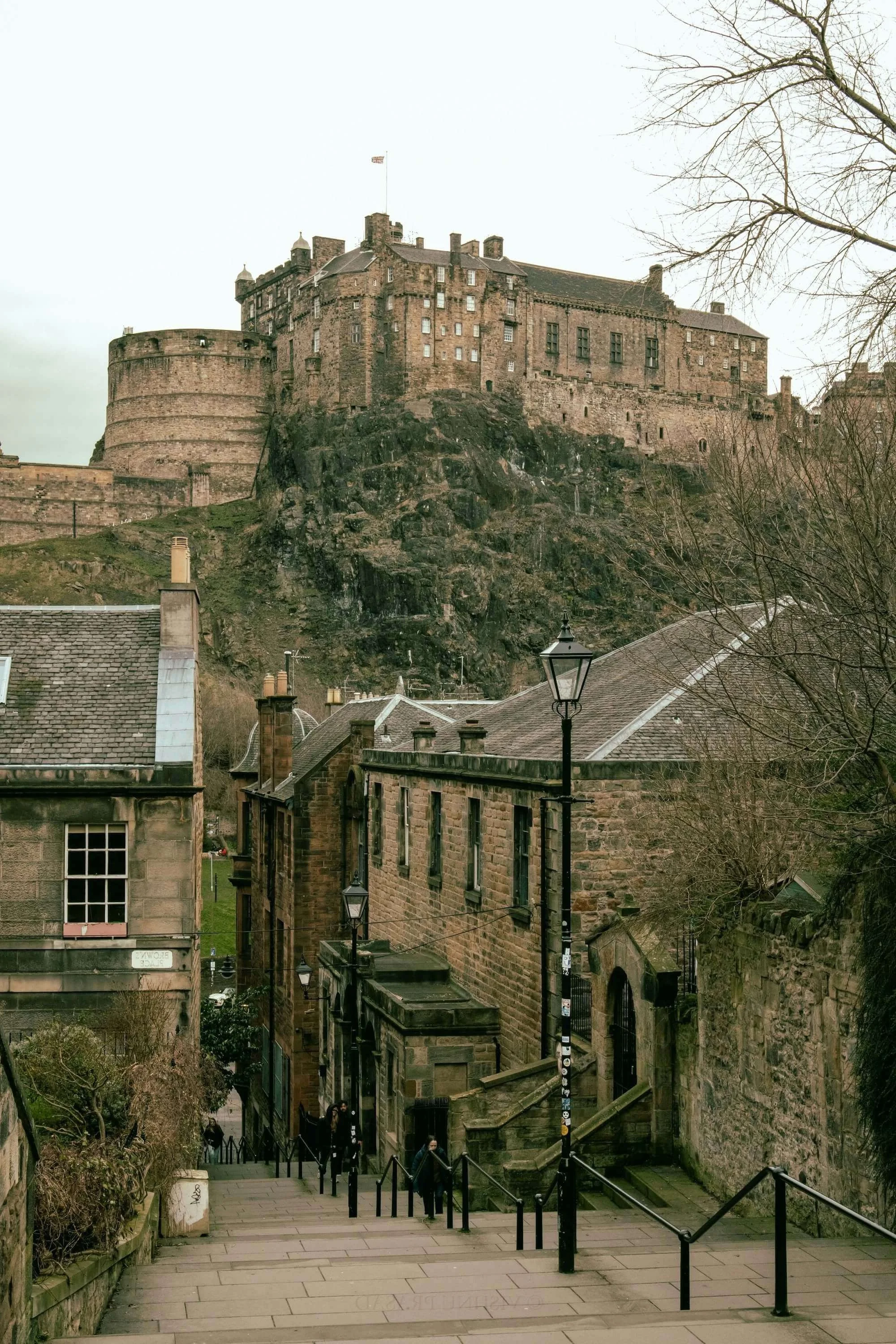
Edinburgh's Dual Nature: The Architecture of Duality
Understanding RLS's brand requires understanding Edinburgh itself.
The Physical City:
Edinburgh is literally built on levels.
The prosperous lived in the New Town's airy squares. The poor lived in the Old Town's cramped tenements.
But here's the Gothic detail: they weren't separate cities.
They were the same city, one stacked on top of the other.
Walk down the Royal Mile and you'll pass close mouths—narrow passages leading to hidden courtyards and underground vaults where the city’s homeless lived.
Respectable doctors walked these streets to their practices.
Body snatchers walked them at night to supply those doctors with corpses.
The city had a split personality built into its geography.
How This Shaped RLS's Themes:
Strange Case of Dr. Jekyll and Mr. Hyde isn't just metaphor.
It's Edinburgh in literary form.
Jekyll lives in a respectable home—”New Town.” Hyde hides behind a shadowy back door—”Old Town.”
The same man, two faces, navigating two worlds in the same city.
This wasn't invention. This was observation.
RLS grew up watching Edinburgh's respectable professionals—lawyers, doctors, ministers—maintain their reputations while the city's dark underbelly (poverty, crime, sex work) operated in the same streets after dark.
The Burke and Hare Legacy:
In 1828, two men named William Burke and William Hare murdered at least 16 people in Edinburgh to sell their corpses to Dr. Robert Knox, a prominent anatomist.
This actually happened.
In RLS's city. Within living memory when he was writing.
The scandal haunted Edinburgh for generations and exposed the uncomfortable truth:
Medical progress (dissection, anatomy studies) required bodies.
Legal sources (executed criminals) weren't enough.
So a black market existed.
Respectable doctors didn't ask questions. Body snatchers—and eventually murderers—supplied the demand.
This became RLS's inheritance as an Edinburgh writer.
The city handed him ready-made Gothic themes: respectability hiding horror, moral compromise for progress, the thin line between civilization and savagery.
Why This Matters for Branding:
The city didn't just give RLS settings. It gave him his entire moral framework.
Being "the Edinburgh writer" differentiated him from his London contemporaries.
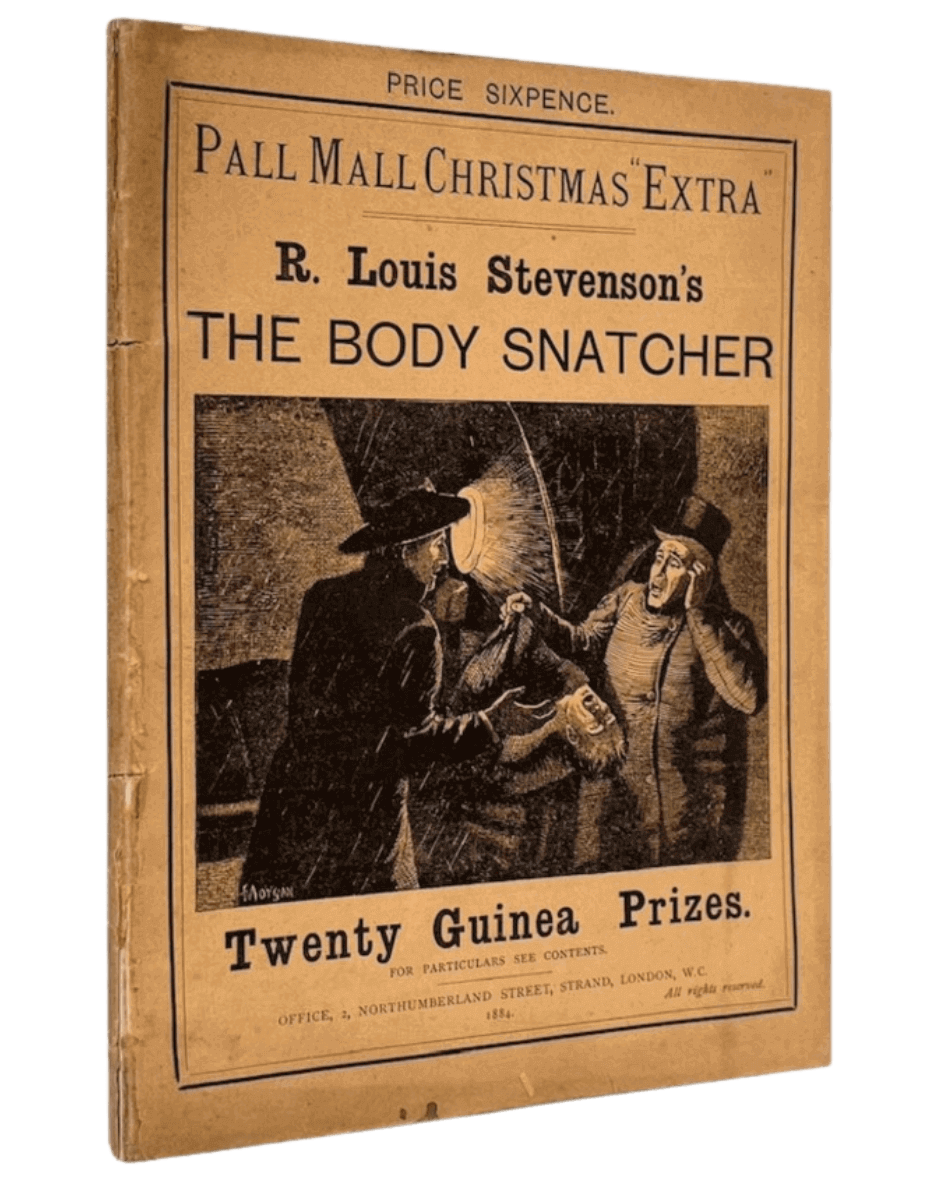
While they were writing about drawing rooms and country estates, he was writing about body snatchers and split personalities.
Place became inseparable from his literary identity.
You couldn't think of RLS without thinking of dark Edinburgh nights. Even when he left Scotland—living in France, traveling to Samoa—his Scottish Gothic sensibility remained his brand.
That's the power of place in author branding.
Beyond Setting: When Place Becomes Brand
Here's what most authors get wrong: they think "place in branding" means writing stories set in that location.
It doesn't.
The Difference Between Setting and Brand:
Setting is where your story takes place. Your characters walk through it, interact with it, but it's plot-specific.
Brand is the landscape/culture/place that defines YOU as an author—the lens through which you see the world, regardless of where your stories are set.
RLS's Strategic Use:

Treasure Island isn't set in Edinburgh. It's about pirates, tropical islands, and buried gold.
But it still feels Scottish.
Why? Because RLS brought his Edinburgh sensibility with him.
The moral complexity (should Jim trust Long John Silver?), the examination of duality (Silver as both father figure and villain), the Gothic undertones beneath the adventure.
His heritage came through in themes, moral framework, narrative voice.
Readers knew they were getting a Scottish perspective, even in a story about Caribbean pirates.
That's branding with place.
Modern Authors Who Brand with Place:
Tana French writes Dublin crime novels, but it's more than setting. Her work explores Irish identity, the psychological landscape of a city shaped by history and trauma. Dublin isn't backdrop—it's character.
Ann Patchett is Nashville. Not because all her books are set there, but because she brings a Southern literary sensibility to everything she writes. The warmth, the emphasis on community, the specific moral framework—that's place as brand.
Louise Erdrich writes from Ojibwe heritage. Her connection to North Dakota and Indigenous identity shapes every story, even when the plot isn't explicitly "about" those things.
Celeste Ng explores suburban American identity and belonging. That's her landscape, whether she's writing about 1970s Ohio or present-day Massachusetts.
What they all share: Place informs perspective, not just plot.
Their readers don't come for the setting. They come for the specific lens through which these authors see the world—a lens shaped by place and heritage.
Finding Your Place (Even If You're Nomadic)

So here's the practical question: What if you don't have an obvious "place"?
What if you're military and move constantly?
What if you live in generic suburbia?
What if you write fantasy set in imaginary worlds?
Good news: There are multiple ways to incorporate "place" into your brand—and it's okay if none of them fit.
Three Types of "Place" in Author Branding:
1. Literal Location
You live somewhere distinctive (Edinburgh, New Orleans, Alaska, rural Montana).
The landscape/culture genuinely shapes your worldview and appears in how you see everything.
Works best when: You're planning to stay there, or it's your hometown/place you return to. The connection is deep and ongoing.
Example: An author living in New Orleans writing about family secrets. The city's history of hidden things, the overlay of cultures, the humidity that makes everything decay—this shapes the atmosphere even if the story isn't "about" New Orleans.
2. Cultural Heritage
The place that shaped you, even if you've left.
Immigrant experience, diaspora identity, returning to ancestral roots.
Works best when: Your heritage genuinely informs your themes, even across different genres or settings.
Example: A Korean American author writing sci-fi. The stories aren't set in Korea, but themes of belonging, code-switching, and navigating between cultures—that comes from heritage and creates a distinctive perspective.
3. Created Worlds

Authors who return to fictional landscapes across multiple works.
Works best when: You're building a series, interconnected novels, or your fantasy/sci-fi worldbuilding is so distinctive it becomes synonymous with you.
Example: Faulkner's Yoknapatawpha County. Not a real place, but readers associate Faulkner with this specific created landscape. Brandon Sanderson's Cosmere. These become "places" in the brand.
When NOT to Brand with Place:
You move constantly and have no emotional attachment to anywhere.
If you're truly rootless and that doesn't inform your themes, don't force it.
Your location is generic/suburban and doesn't shape your perspective.
Living in a cookie-cutter subdivision because it's affordable? That's fine. Don't manufacture a connection to "suburban Phoenix" if it doesn't actually matter to your work.
You write across vastly different settings with no through-line.
If one book is set in Ancient Rome, the next in modern Tokyo, and place doesn't connect them thematically, don't try to brand with location.
In these cases: Find a different brand anchor. Your themes, your voice, the emotional experience you create. Not every author needs place in their brand.
The key is authenticity. If place genuinely shapes your worldview, use it. If not, don't.
Practical Application: Incorporating Place in Your Author Brand
Okay, so you've identified that place DOES matter to your brand.
How do you actually use it without being heavy-handed?
On Your Website:

About page:
One paragraph maximum about how place informs your perspective.
Not: "I live in Seattle and love coffee!"
But: "I write from the Pacific Northwest, where the constant rain creates a particular kind of introspection—the sense that you're always waiting for something to clear."
Visual design:
Can colors/imagery subtly reflect your landscape?
Scottish author = maybe heathers and grays
Southwestern author = perhaps desert tones
Don't be heavy-handed. A photo of your city's skyline in your header is fine. A background of repeating monuments is tacky.
In Your Author Bio:
One sentence maximum about location.
Make it relevant: "writing from Edinburgh" vs "currently lives in Edinburgh with her cat."
Connect it to your work when possible: "...bringing a Southern Gothic sensibility to contemporary romance" or "...exploring immigrant identity through speculative fiction."
The location detail should illuminate your perspective, not just be trivia about you.
In Your Content/Marketing:

Social media:
Occasional posts showing how place influences your writing life.
A photo of your city's architecture with a caption about how it inspires your worldbuilding.
A story about how your region's history connects to themes in your current book.
Photos/imagery:
Use your actual landscape strategically, but don't make every post about location.
Your Literary Landscape
So what did RLS teach us about place and branding?
Place can be a powerful differentiator—but only if it's authentic and strategic.
Edinburgh didn't just give Stevenson settings for a few stories.
It gave him themes (duality, moral complexity, respectability hiding darkness), atmosphere (Gothic, psychological, unsettling), and a moral framework (the compromises civilization requires).
That's place as brand.
Not where stories are set, but the landscape that shaped how he saw everything.
The Bigger Point:
Author branding isn't about manufacturing differentiation.
It's about identifying what already makes you distinct and amplifying it.

For RLS, that was Edinburgh—the city's duality, its dark history, its moral complexity. That landscape shaped everything he wrote, whether he was writing about Scotland or not.
For you, it might be a place. Or it might be something entirely different—your themes, your background, your specific voice.
The work is figuring out what that thing is and using it strategically.
Whether your Edinburgh is a city, a heritage, or a landscape you return to in your imagination, let it inform your brand authentically.
Don't force it. But if it's there—use it.
→ In Part 4, we'll tackle the multi-genre challenge: how to maintain brand cohesion when you write across vastly different categories. Because RLS went from Gothic horror to children's adventure and back again—and his brand stayed strong throughout.
Ready to audit your current author website?
You've learned how place can differentiate your brand—now make sure your online presence isn't undermining all that careful brand work.

