
Let Them Question Your Success

When Others Define Your Success
You're at your monthly writers' group meeting, practically glowing with excitement about the milestone you just reached.

After months of careful list-building and reader engagement, you've hit 1,000 email subscribers who actually open and respond to your newsletters.
These aren't just numbers—they're real people who've connected with your work and want to hear from you regularly.
It feels like a huge step toward building the sustainable author career you've been working toward.
"I'm so excited," you tell the group. "I just reached 1,000 newsletter subscribers! I know it might not sound like much, but these are really engaged readers who—"
"That's nice," interrupts Janet, the group's self-appointed authority on all things publishing. "But what really matters is sales numbers. How many books have you actually sold? Because at the end of the day, that's the only metric that counts in this business."
Your excitement deflates. Suddenly, your carefully cultivated community of engaged readers feels trivial.
Maybe Janet's right. Maybe you've been focusing on the wrong things.
Maybe you should be ashamed of celebrating subscriber growth when you haven't hit some arbitrary sales threshold that "real" authors achieve.

The next week, you share a different win with a writing friend: your latest book received a heartfelt five-star review from a reader who said your story helped her through a difficult time.
Your friend's response?
"Reviews are nice, but they don't pay the bills. You need to focus on getting more Amazon bestseller badges—those orange flags are what really drive sales."
Once again, something that felt meaningful and important gets dismissed as nice but not "real" success.
How did celebrating reader connection become something to apologize for?
When did every author win need to be justified against someone else's definition of what actually matters?
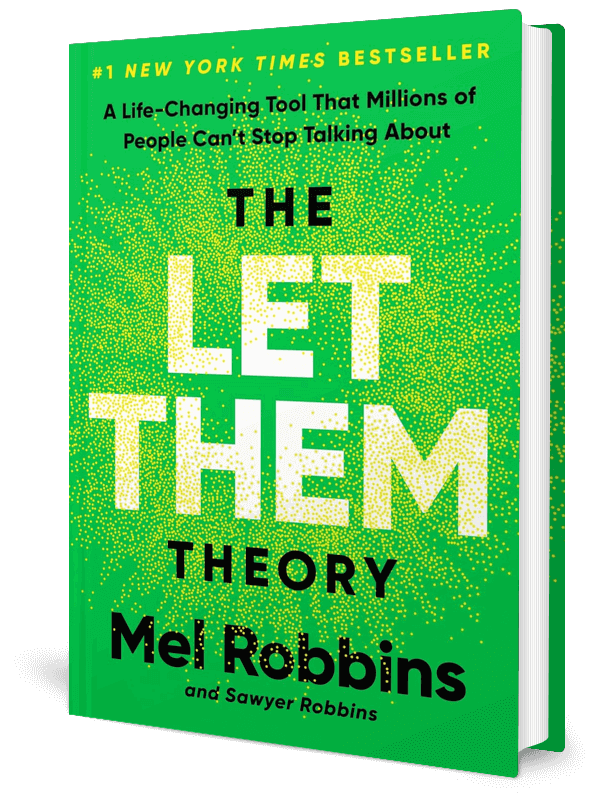
This is where the Let Them Theory becomes crucial for maintaining confidence in your own goals and values.
Just as we've explored with publishing choices and author legitimacy, the pressure to adopt other people's success metrics often comes from their need to validate their own choices rather than from any objective truth about what makes an author career successful.
The Success Metrics Hierarchy That Invalidates Your Wins
The publishing industry is obsessed with quantifiable, external metrics, creating unofficial hierarchies that position some achievements as more "real" or valuable than others.
Sales numbers trump reader engagement.
Award recognition trumps reader satisfaction.
Traditional publishing metrics trump indie publishing success.

The result is a system where many meaningful author achievements get dismissed as "not real success."
This hierarchy affects how authors think about their own progress and goals.
Instead of celebrating the milestones that actually matter for their specific situation and career phase, they find themselves apologizing for wins that don't fit the industry's preferred success markers.
A debut author feels embarrassed about celebrating their first positive review because they haven't sold 10,000 copies yet.
An established author discounts their loyal readership because they haven't hit a major bestseller list.
Different groups within the publishing world prioritize different metrics, creating even more confusion about what "real" success looks like.
Traditional publishing circles often emphasize awards, critical reviews, and literary recognition.
Indie publishing communities focus heavily on sales rankings, review quantities, and rapid release schedules.
Romance authors might prioritize USA Today lists while literary fiction authors value prestigious award nominations.
The assumption underlying all these hierarchies is that external, quantifiable metrics matter more than internal measures of creative satisfaction, reader connection, or personal growth.

This assumption ignores the reality that sustainable creative careers often depend more on intrinsic motivation, authentic reader relationships, and alignment between work and values than on hitting specific numerical targets.
What's particularly damaging is how this external focus can lead authors to chase metrics that don't actually fulfill them or serve their long-term goals.
You might spend enormous energy trying to manipulate Amazon rankings when what you really care about is writing stories that resonate deeply with readers.
You might pursue traditional publishing deals that don't align with your creative vision because you think the prestige will finally prove your success to others.
Industry-Imposed Success Definitions That Miss the Point
The publishing industry's preferred success metrics often tell incomplete stories about author careers and can actually work against building sustainable creative businesses.
Understanding the limitations of these external measures helps you make more strategic decisions about which metrics deserve your attention and energy.

Bestseller lists, while highly visible, can be manipulated through bulk sales, strategic timing, or category gaming.
They often reflect marketing budgets and timing more than book quality or reader satisfaction.
A book can hit bestseller lists and then disappear quickly, while another book might build steady, long-term sales without ever appearing on any list. Which represents more sustainable success?
Award competitions, though prestigious, often reflect the biases and preferences of small judging panels rather than broader reader appeal or commercial viability.
Many beloved, influential books never win major awards, while some award winners are quickly forgotten.
Awards can boost careers, but they're not reliable predictors of long-term success or reader satisfaction.
Review aggregators like Goodreads or Amazon can provide useful feedback, but they're also subject to manipulation, review bombing, and the reality that people with extreme opinions (very positive or very negative) are more likely to leave reviews than satisfied middle-ground readers.

A book with thousands of reviews might have less engaged readership than one with dozens of thoughtful responses.
Sales ranking obsession can drive authors to make short-term decisions that hurt long-term career building.
Gaming the system for temporary ranking boosts often involves pricing strategies, rapid release schedules, or marketing approaches that aren't sustainable and don't build genuine reader relationships.
Social media follower counts might look impressive, but they often don't correlate with actual book sales or reader engagement.
An author with 50,000 followers who don't buy books has less business success than an author with 500 highly engaged readers who purchase everything they release.
The fundamental problem with industry-imposed metrics is that they're often designed to serve industry needs (standardized comparison, marketing convenience, gatekeeping) rather than author needs (sustainable careers, creative fulfillment, reader connection).
Let Them Chase Metrics That Don't Fulfill Them
Here's where the Let Them Theory protects your creative satisfaction and strategic thinking: You stop trying to validate your success using other people's scorecards that may not align with your actual goals and values.
Let them tie their self-worth to Amazon rankings that fluctuate daily based on factors outside their control.
Let them stress about numbers that tell incomplete stories about their creative impact and business sustainability.
Let them prioritize external validation over the intrinsic satisfaction that comes from meaningful creative work.
Let them exhaust themselves trying to manipulate systems designed to benefit platforms and retailers rather than creators.
Let them measure their worth by metrics that can disappear overnight due to algorithm changes, market shifts, or platform policy updates.
Let them miss the deeper rewards of creative work while chasing numbers that may or may not correlate with the things that actually matter for long-term career satisfaction.

Let them overlook the joy of reader connection, the growth that comes from tackling challenging creative projects, and the pride of building something meaningful with their words.
Let them prioritize competition over collaboration, comparison over creativity, and external validation over internal satisfaction.
Most importantly, let them define success using standards that may work for other authors but don't align with their own values, life circumstances, or creative goals.
Their relationship with external metrics is their choice; your relationship with meaningful achievement is yours.
Let Me Define Success by My Values and Goals
While you're letting them chase metrics that may not serve their deeper goals, you get to build success definitions that actually motivate and sustain your creative career.
Let me celebrate creative milestones that matter for my growth and development. Finishing a challenging first draft, solving a difficult plot problem, or developing a stronger narrative voice might not generate impressive numbers, but they represent real progress in my capabilities as a storyteller.
These process wins often predict long-term success better than external metrics.
Let me value reader connection over review quantity. A heartfelt email from someone whose life was touched by my work might matter more to my sense of purpose than a hundred five-star reviews from people I'll never hear from again.

Building genuine relationships with readers who truly connect with my work creates the foundation for a sustainable career.
Let me prioritize creative fulfillment alongside financial metrics. Writing stories that challenge me creatively, explore themes I care about, or push my artistic boundaries might be more important than writing what's most likely to hit bestseller lists.
The internal satisfaction of creating meaningful work often sustains authors through the inevitable ups and downs of external success.
Let me measure progress in ways that acknowledge my specific circumstances and goals. If I'm writing around a demanding day job, completing one book per year might represent significant achievement. If I'm building a readership in a niche genre, steady growth might be more important than explosive visibility.
If I'm prioritizing quality over quantity, slower production might align better with my values than rapid release schedules.
Let me create success definitions that motivate rather than discourage me. Metrics that make me feel inadequate or anxious probably aren't serving my long-term creative health.
Success markers that energize me and make me excited to continue working are much more likely to sustain the long-term commitment that creative careers require.

The most successful authors often ignore industry-standard metrics in favor of measurements that align with their personal goals and values.
Some prioritize building small but devoted readerships over broad market appeal.
Others focus on creative challenges and artistic growth over commercial considerations.
Many build success around lifestyle goals like creative freedom, flexible schedules, or the ability to explore diverse projects.
Creating Your Personal Success Framework
Building confidence in your own achievement requires developing clear, personal success metrics that align with your values, circumstances, and goals rather than industry expectations or other authors' definitions.
Start by identifying what actually matters to you in your creative career.
Do you want financial independence, creative recognition, reader impact, artistic growth, lifestyle flexibility, or something else entirely?
Your success metrics should reflect these deeper goals rather than generic industry standards.
Consider both process and outcome measures.
Process metrics (words written, writing days completed, craft skills developed) are largely within your control and can provide consistent motivation.
Outcome metrics (books published, sales achieved, reviews received) depend partly on external factors but can help track business progress.

Balance short-term and long-term indicators.
Celebrating small wins along the way (completing chapters, positive reader feedback, skill improvements) maintains motivation while working toward larger goals (finishing books, building readership, achieving income targets).
Include both quantitative and qualitative measures.
Numbers can be useful for tracking progress, but qualitative factors like creative satisfaction, reader engagement depth, or personal growth might be equally important for your career fulfillment.
Regular check-ins help ensure your success metrics still align with your evolving goals and circumstances.
What matters to you as a new author might be different from what matters after you've published several books.
Life changes, market shifts, and personal growth can all affect what success means to you.
Remember that your success framework should motivate and guide you rather than create anxiety or inadequacy.
If tracking certain metrics makes you feel worse about your progress, consider whether those measurements are actually serving your goals or just creating unnecessary pressure.
Your Success Doesn't Need External Validation
The most liberating realization for authors struggling with success metric pressure is this: Your achievements don't need to impress other people or fit industry-standard definitions to be meaningful and valuable for your creative career.

When you celebrate reaching 1,000 engaged newsletter subscribers, that's real progress toward building a sustainable readership regardless of whether it impresses other authors.
When you receive a heartfelt reader message, that's genuine impact regardless of whether it shows up in sales numbers.
When you complete a creatively challenging project, that's authentic growth regardless of whether it wins awards.
Your career progress doesn't pause while you wait for external validation of your achievements.
Your skills are developing, your audience is growing, and your creative confidence is building based on the work you're doing and the connections you're making.
These real developments don't depend on hitting specific numerical targets or earning recognition from industry gatekeepers.
When you stop apologizing for wins that don't fit other people's success hierarchies, you can focus on building the career that actually serves your goals and values.
You can make strategic decisions based on what you want to achieve rather than what you think will impress others.
The publishing industry will continue evolving, and success metrics will continue changing as new platforms, technologies, and market conditions emerge.
The authors who thrive long-term are usually those who stay grounded in their own values and goals rather than chasing external validation systems that shift with industry trends.
Your job is not to achieve success as defined by other people's metrics.
Your job is to build a creative career that fulfills you, serves your readers, and aligns with your personal definition of meaningful achievement.
Let them question your success metrics while you build something that's authentically and meaningfully successful for you.
Next time, we'll explore another validation challenge that affects authors throughout their careers: "Let Them Compare Your Journey to Others'" —because even when you're confident in your own success metrics, social media and industry conversations can trigger the comparison trap that undermines creative confidence.
Ready to release more of what's draining your creative energy?
You've just reclaimed your power to define success on your own terms. The Let Them Theory applies to every pressure authors face—from publishing path judgments to timeline expectations to industry gatekeeping. Explore the complete series for more mindset shifts that protect your confidence and creativity.

