
Building Your Author Brand Like Charlotte McConaghy: From YA to Literary Thriller
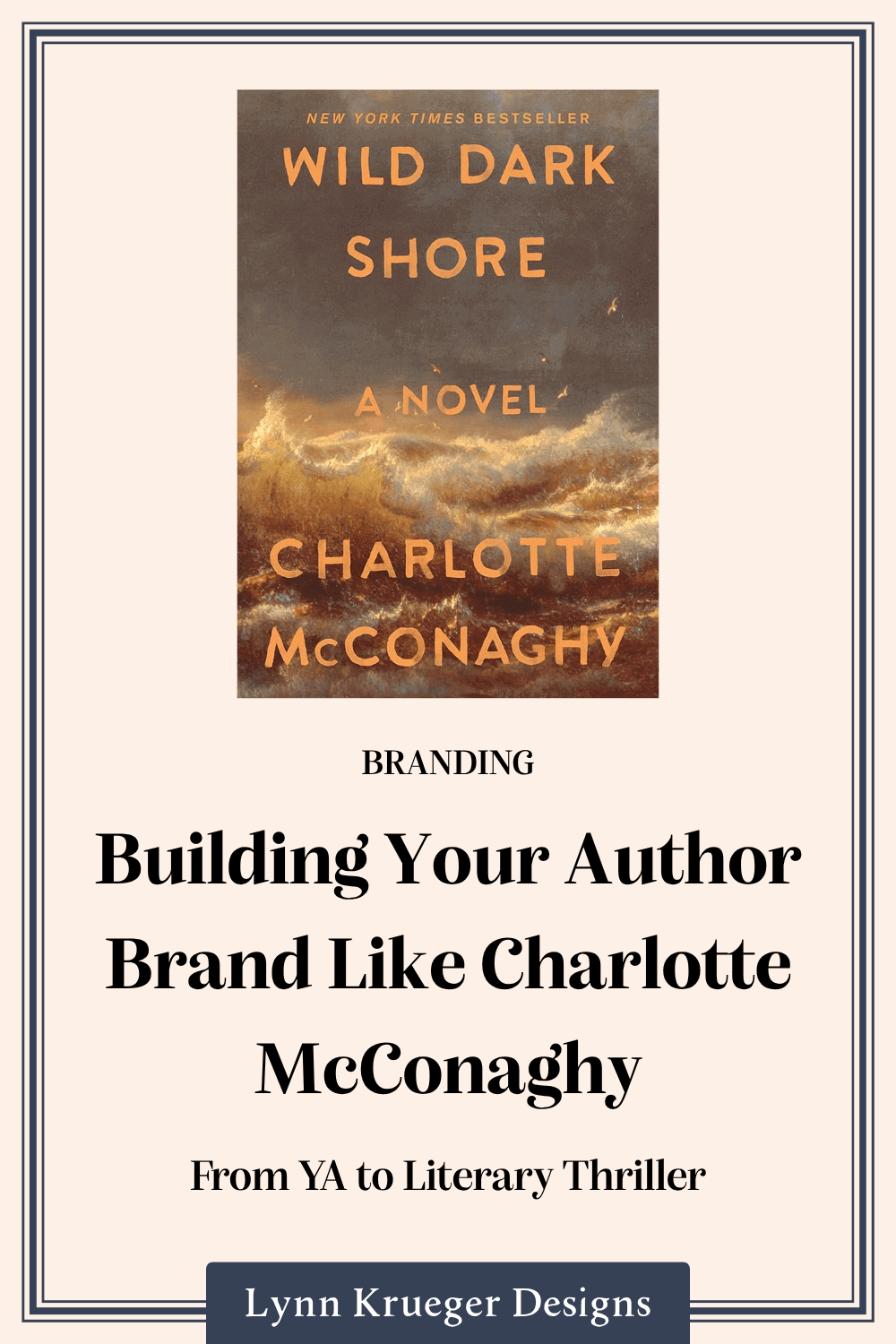
Article 4 of the Wild Dark Shore series
Charlotte McConaghy did something most authors fear: she completely changed genres mid-career.
She spent years writing YA fantasy and science fiction for the Australian market. Then she pivoted to adult literary fiction with climate themes—and became an instant New York Times bestseller.

Most authors would panic at the thought of such a drastic shift. "Won't I lose my audience? Won't I have to start from scratch? Shouldn't I stick with what's working?"
But here's what McConaghy understood that most authors miss: your brand isn't your genre, your series, or your book—it's you.
And when you build your author brand around the elements that make your writing uniquely yours, you can evolve across genres, formats, and audiences without losing your identity.
Let's break down exactly how she did it—and how you can apply the same principles to your own career.
If you want the full context on McConaghy's success with Wild Dark Shore, read my complete review and analysis.

The Mistake Most Authors Make
Before we dive into McConaghy's strategy, let's talk about what NOT to do.
The biggest branding mistake I see authors make?
Building their entire brand around their current book.
Your website features your book cover as the hero image. Your color palette matches the cover. Your bio focuses entirely on that one story. Your social media profiles showcase only that title.
Then your next book comes out—maybe it's a different genre, maybe it's just a different vibe—and suddenly your entire brand is wrong.
So you rebuild everything from scratch. New website. New colors. New positioning.
This approach exhausts you, confuses your readers, and undermines the trust you've built. Because trust requires consistency, and you've just shown your audience that you're someone completely different now.
I see this constantly, and it breaks my heart because it's so preventable.
What McConaghy Did Differently
Charlotte McConaghy's career trajectory is a masterclass in brand evolution without brand destruction.
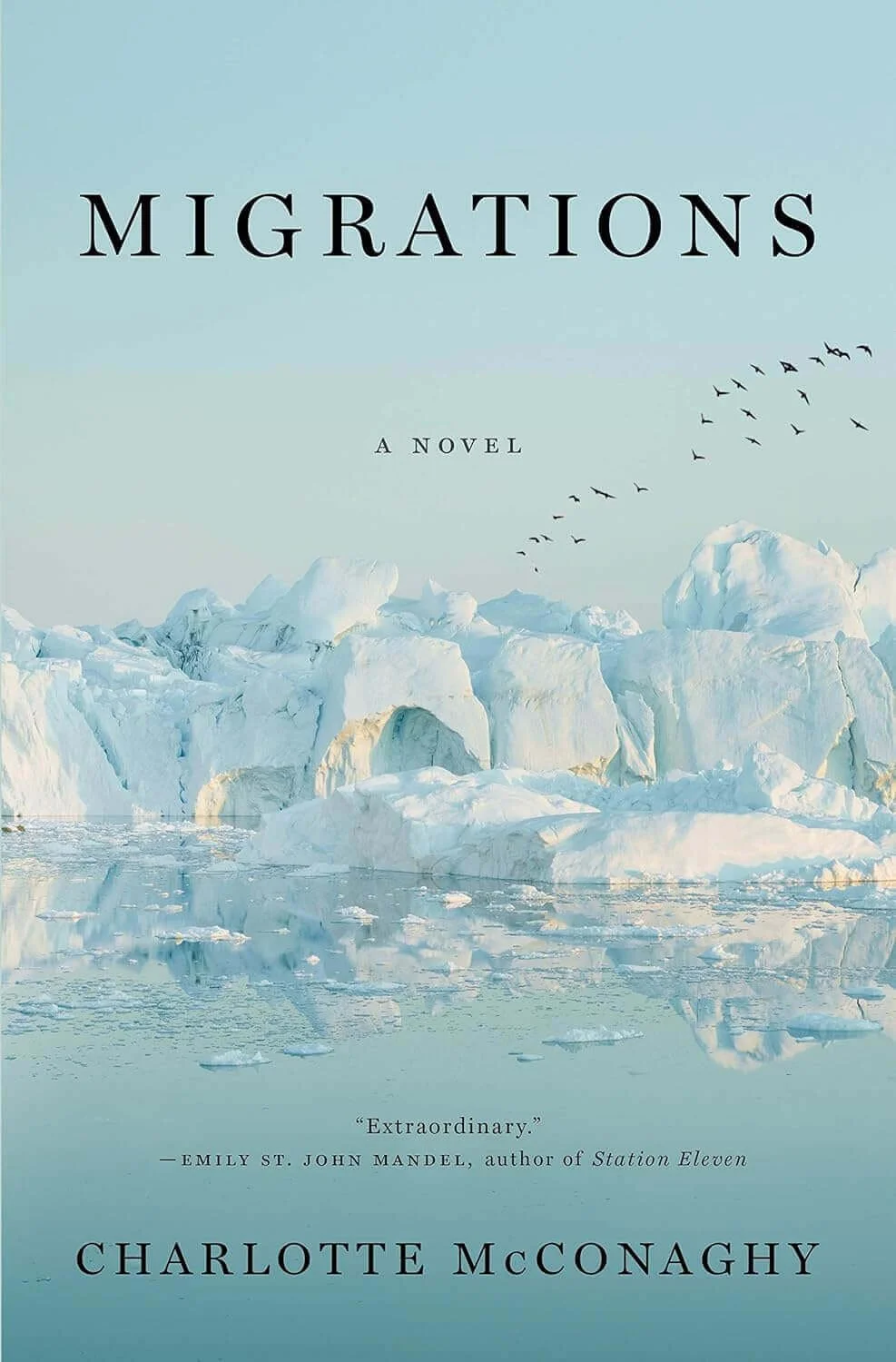
From roughly 2012-2018, she published YA fantasy and science fiction in Australia. Titles like the Avery series and other works explored magic, adventure, and coming-of-age themes.
Then in 2020, Migrations hit US shelves. Adult literary fiction. Climate themes. A woman tracking the last arctic tern migration while fleeing her own trauma.
Completely different from YA fantasy—on the surface.
But readers who loved her YA work could follow her to adult fiction because the core elements that made her writing distinctive remained consistent.
Once There Were Wolves (2021) continued the adult literary path: a biologist reintroducing wolves to Scotland, wrestling with violence and conservation.

Wild Dark Shore (2025) deepened that brand: a family isolated on an Antarctic island, climate collapse, secrets and survival.
Three adult novels, three different settings and plots—but all unmistakably Charlotte McConaghy.
The Through-Lines That Define Her Brand
So what stayed consistent when everything else changed?
Remote, Wild Settings
Whether it's arctic seas, Scottish Highlands, or subantarctic islands, McConaghy writes places that are beautiful, dangerous, and far from civilization.
This isn't just preference—it's brand. Readers pick up a McConaghy book expecting to be transported somewhere breathtaking and inhospitable.
Even her YA fantasy novels featured isolated, otherworldly settings. The specifics changed; the impulse toward remoteness remained.
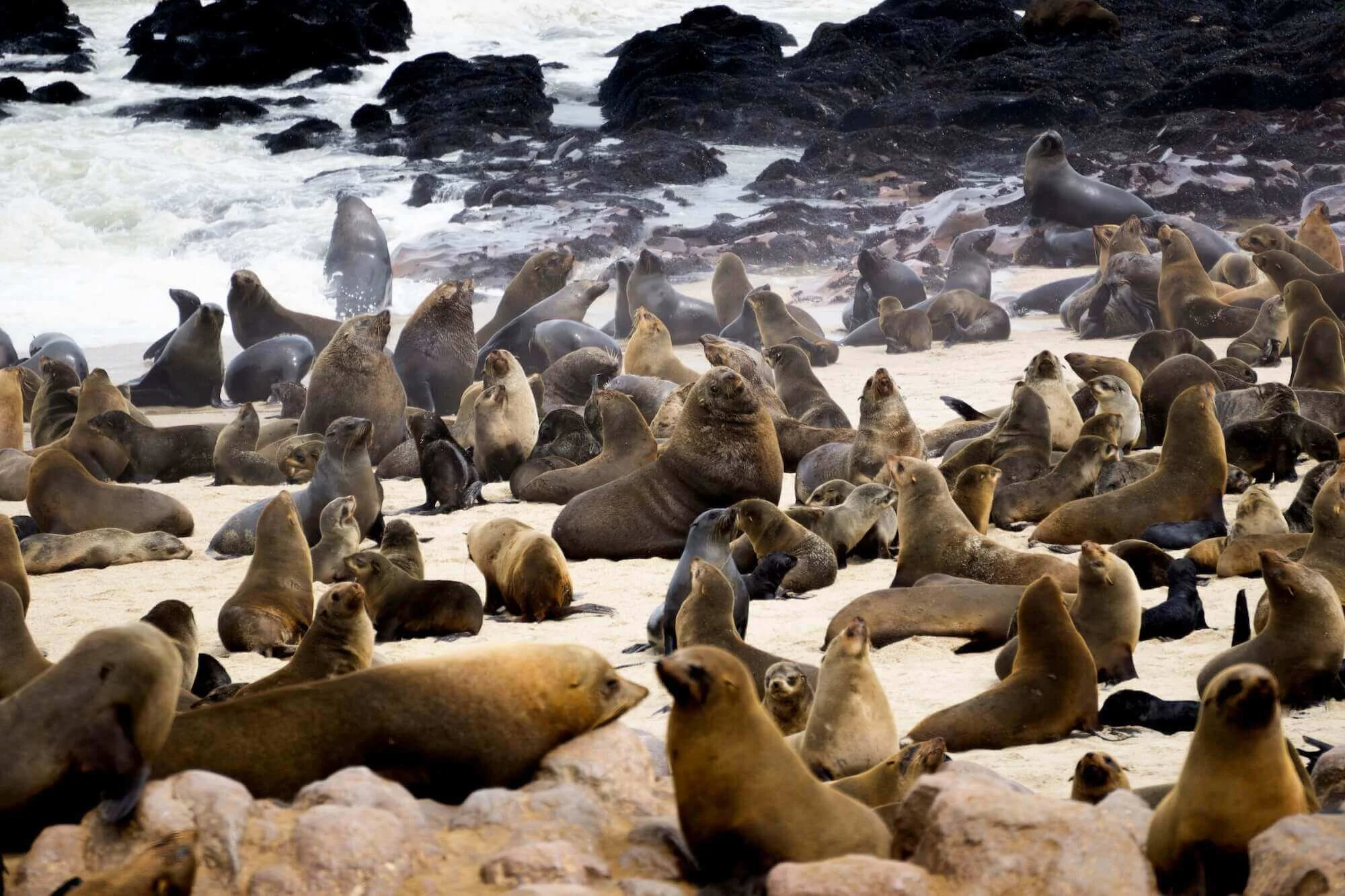
Deep Connection to the Natural World
Animals, landscapes, and ecosystems aren't backdrop in McConaghy's work—they're central.
Arctic terns. Wolves. Seals and penguins and albatross families. The natural world has agency in her stories.
This environmental consciousness threads through everything she writes, regardless of genre.
Readers know a McConaghy book will make them think about humanity's relationship with nature. That expectation transcends genre boundaries.
Emotionally Damaged Protagonists Seeking Connection
McConaghy writes characters carrying profound trauma who are simultaneously desperate for and terrified of connection.
Franny in Migrations is running from her past while following birds. Inti in Once There Were Wolves has mirror-touch synesthesia that makes her feel others' pain. Rowan in Wild Dark Shore has walled herself off after a devastating loss.
These aren't just plot devices—this is the kind of character McConaghy is drawn to exploring across all her work.

Sparse, Poetic Prose
McConaghy's writing style—visual, atmospheric, restrained—remains consistent whether she's writing YA or adult, fantasy or literary fiction.
She earned a Master's in Screenwriting, and that cinematic quality infuses everything. Short sentences. Evocative imagery. Trust in the reader to do emotional work.
Her prose is immediately recognizable, which is exactly what author brand should be.
Questions About Survival and Sacrifice
What does it mean to survive when you've lost everything? What are you willing to sacrifice for the people you love? How do you hope when the future looks bleak?
These questions appear in different contexts across her work, but they're the questions McConaghy keeps asking.
Readers who resonate with these explorations will follow her anywhere.
How to Identify YOUR Through-Lines
Now let's make this actionable for your career.
If you're only working on your first book, you might not see your through-lines yet—and that's okay. But if you've written multiple projects (even unpublished ones), you can start identifying patterns.

Look at your completed work and ask:
What settings do I gravitate toward repeatedly? Urban, rural, historical, fantastical, domestic, wilderness? There's a reason you keep returning to certain spaces.
What types of characters do I write over and over? The outsider, the caretaker, the rebel, the protector, the wounded healer? Your protagonists probably share core qualities.
What themes or questions fascinate me across different stories?
What does my prose style actually sound like? Am I funny, lyrical, sharp, contemplative, sensory, spare? How do I use language?
What emotional experience do I create for readers? Do I make them laugh, cry, think, feel unsettled, find hope? What do readers consistently say about reading my work?
Write down your answers. These are your through-lines—the elements that make your writing distinctly yours.
These are what you build your brand around, not your current book.
Building a Brand That Grows With You
Once you've identified your through-lines, you can create visual and verbal branding that represents WHO YOU ARE as a writer, not just what you've written.
This is exactly what I do with my author clients. We don't start with your book cover. We start with an in-depth discovery call about your work, your creative impulses, and where you see your career going.
Then we build a brand that has flexibility baked in.

Let's use a hypothetical example. Say you're a debut author with a dark fantasy novel, but you know you want to write contemporary thriller next.
If we build your brand around the fantasy elements—dragons, magic systems, medieval aesthetics—you're stuck when the thriller launches.
But if we identify that your through-lines are morally gray characters, claustrophobic tension, and explorations of power dynamics, we can create a brand that works for both books.
Maybe your color palette includes deep teals and charcoal grays—colors that feel dark and sophisticated but aren't locked into one genre. Maybe your typography is sharp and modern. Maybe your brand voice is unflinching and visceral.
Suddenly you have a cohesive author brand that can showcase a fantasy novel today and a thriller tomorrow without requiring a complete rebuild.
This is the power of understanding that your brand is bigger than your book.
McConaghy's Website: Consistency Without Sameness
Charlotte McConaghy's website (charlottemcconaghy.com) demonstrates this principle beautifully.
The overall aesthetic is clean, literary, and sophisticated.

The color palette is muted and natural—lots of whites, soft teals, and earth tones.
This works for arctic seas, Scottish forests, and Antarctic islands without forcing them all to look identical.
When her next novel releases—whatever it's about—her website won't need a complete overhaul. It will need updates, not demolition.
That's what good author branding looks like.
—> I'll be doing a full analysis of McConaghy's website design choices in an upcoming post, breaking down exactly what she gets right and what authors can learn from it.

Practical Steps for Your Author Brand
Ready to build a brand that can grow with your career? Here's where to start.
Step 1: Identify Your Through-Lines
Use the questions I outlined earlier. Look for patterns across everything you write. What stays consistent even when genre, plot, and characters change?
Step 2: Define Your Brand Elements
Based on those through-lines, what colors, fonts, imagery, and tone represent YOU as a writer? Not your current book—you.

If your through-lines are dark humor, suburban settings, and explorations of motherhood, your brand might use jewel tones, mid-century modern aesthetics, and witty, conversational copy.
If your through-lines are sweeping romance, historical settings, and lush prose, your brand might use romantic typography, rich colors, and elegant imagery.
The key is that these elements should work across multiple projects.
Step 3: Build Your Website Around Your Brand, Not Your Book
Your website should showcase your work, but the overall design should represent your authorial identity.
Book covers can rotate through a portfolio or featured section. But the site's bones—the colors, the fonts, the layout, the tone—should remain consistent.
This doesn't mean your website never changes. It means it evolves rather than gets demolished with each release.
Step 4: Think Long-Term
Where do you see your career in five years? Ten years? What kinds of stories do you want to tell?
Your brand should have room for that growth. If you know you might write in multiple genres, don't lock yourself into genre-specific imagery.
If you're planning a long series, make sure your brand can accommodate the series without being entirely defined by it.
Why This Matters for Your Career
Building your author brand around your through-lines instead of your current book isn't just about saving time on website redesigns (though that's nice).

It's about creating trust and recognition with readers.
When readers can articulate what to expect from your work—not the plot, but the experience—you've built a brand. They might not know what your next book is about, but they know it will have that quality that made them love your last one.
McConaghy's readers expect atmospheric prose, remote settings, environmental themes, and emotionally complex characters. The specific story is a surprise; the experience is reliably McConaghy.
That's what makes readers follow you from book to book, genre to genre, decade to decade.
It's also what makes agents and publishers take you seriously. A clear author brand signals that you understand yourself as a writer and can build a sustainable career.
Random books in random genres suggest you're still figuring it out. A cohesive body of work with recognizable through-lines suggests you're a professional with a vision.
The Freedom of a Flexible Brand
Here's the beautiful paradox: building your brand around your through-lines actually gives you MORE creative freedom, not less.
When your brand isn't locked to one book or genre, you can follow your creative impulses without worrying about "off-brand" projects.

McConaghy can write about arctic terns, wolves, or isolated islands. She could probably write about deserts or mountains or deep-sea exploration next, and it would still feel like a Charlotte McConaghy book.
Because her brand isn't "woman tracking birds"—it's "literary exploration of humanity's relationship with wild places."
That's expansive. That's sustainable. That's a career, not just a book.
What Authors Get Wrong About Branding
Let me address some common misconceptions I hear constantly.
"But my books are so different! How can I brand myself when I write romance AND horror?"
Look deeper. What connects them? Maybe you write intense emotion in both. Maybe your characters in both genres face impossible moral choices. Maybe your prose style is distinctive regardless of content.
Your through-lines exist even when your books seem wildly different.
"Won't a flexible brand make me seem unfocused or generic?"
The opposite. A clear brand based on your unique through-lines makes you MORE distinctive because you're branding what makes YOU special, not what makes this one book marketable.

Generic is trying to look like everyone else. Specific is understanding what makes your voice stand out.
"I'm a debut author. Shouldn't I just focus on this one book first?"
Yes, focus on making this book great—but think strategically about how you present yourself to the world.
Your debut won't be your only book (if you have anything to say about it). Build your foundation to support the career you want, not just the book you have.
Your Brand is Your Career
Charlotte McConaghy's evolution from YA fantasy to literary climate fiction didn't happen by accident.
She understood—consciously or instinctively—that her brand was bigger than any single book. She leaned into the elements that made her writing distinctive and let those elements guide her visual and verbal identity.
The result? A career that can grow, evolve, and sustain itself across genres and decades.

You can do the same. Start by identifying your through-lines. Build your brand around those. Create a website and presence that represents WHO YOU ARE as a writer, not just what you've most recently written.
Your current book will come and go. Your next book will too. But your author brand—built on the elements that make you uniquely you—can carry you through a long, successful career.
Because your brand isn't your book. It's you.
And the sooner you understand that, the sooner you can stop rebuilding your author presence with every release and start building something that lasts.
Ready to Build Your Author Brand?
If this resonates with you—if you're tired of feeling stuck in your current book's identity, or if you're ready to build something bigger than your debut—I can help.
I specialize in creating author brands and websites that grow with your career. We start with an in-depth strategy call to understand not just your current work, but where you're headed. Then we build a cohesive brand with flexibility baked in.
Whether you're pivoting genres like McConaghy, launching your debut, or rebranding after several books, there's a strategy that works for you.
Want to explore what that could look like? Let's talk.
If You Liked This Article, You’ll Also Love…
What Tamora Pierce's 30-Year Career Teaches Us About Author Brand Evolution
Why Author Branding Isn't Vanity—It's Survival: Professional Design in the Age of Digital Censorship
Wild Dark Shore by Charlotte McConaghy: A Complete Review & Analysis
Wild Dark Shore Book Club Guide: Discussion Questions + Author Career Insights
