How to Be Generous Without Burning Out: Boundaries for Authors in a Gift Economy
Article 4 in The Serviceberry Quartet
I used to say yes to everything.
Every request for a "quick chat" about web design. Every author who wanted free advice. Every networking coffee that someone else initiated. Every collaboration that sounded vaguely interesting.
I thought this was what generosity looked like.
After all, hadn't I just embraced gift economy principles? Wasn't I supposed to give freely, trust in reciprocity, and build community through abundance thinking?
Then I hit a wall.
Not a metaphorical wall—an actual, can't-get-out-of-bed, creative-energy-completely-depleted wall. I'd given so much that I had nothing left. Not for my clients who were actually paying me. Not for my own creative projects. Definitely not for myself.
That's when I learned the hard way that gift economy thinking doesn't mean being a martyr.
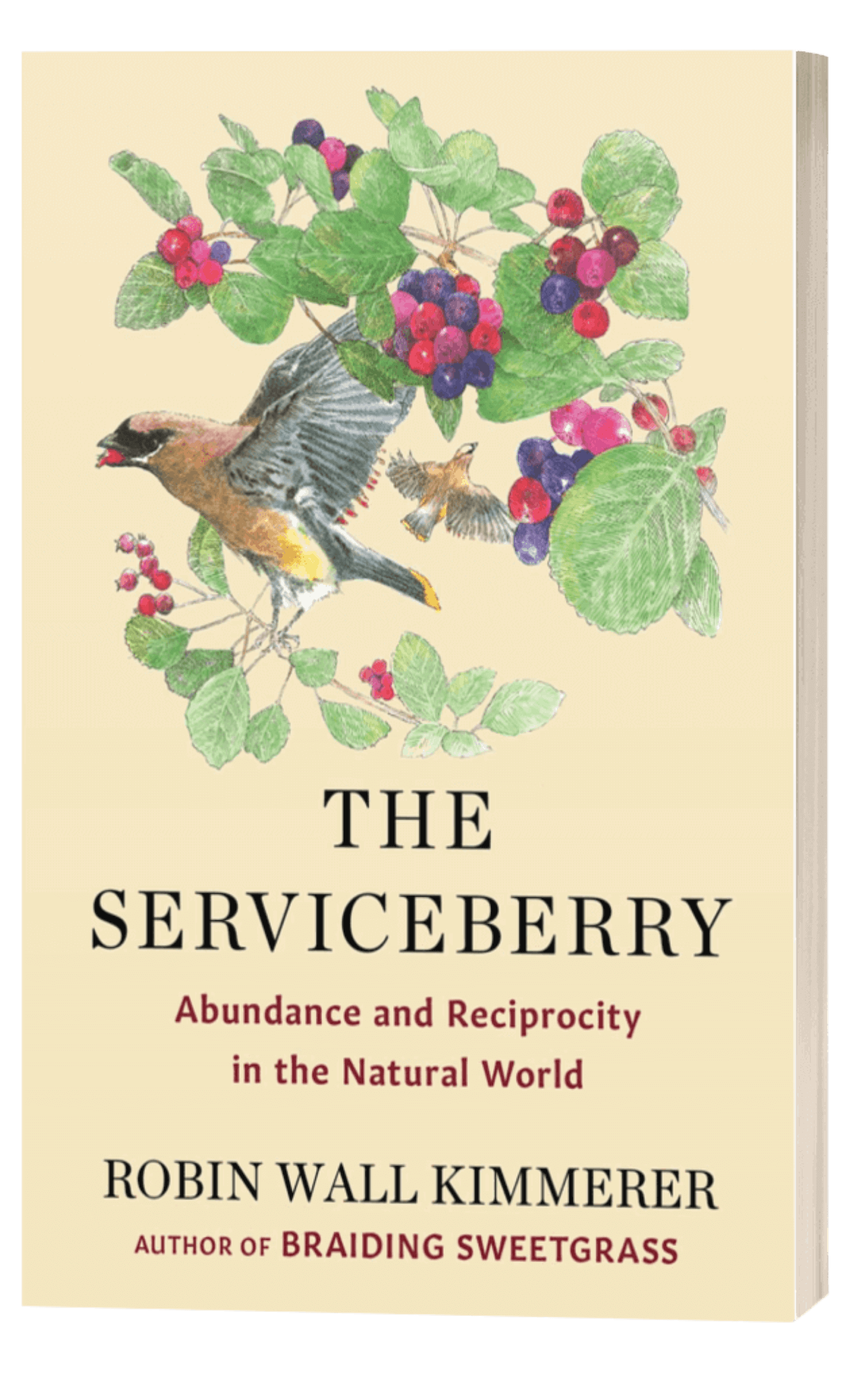
The same week I was lying in bed too exhausted to work, I read something in Robin Wall Kimmerer's The Serviceberry that stopped me cold.
Kimmerer wasn't advocating for endless self-sacrifice.
She was describing sustainable systems of reciprocity—ecosystems where everyone both gives and receives, where resources flow but don't get depleted.
The serviceberry tree gives abundantly, yes. But it also draws nutrients from the soil, drinks water from the rain, soaks up sunlight.
It gives from overflow, not from depletion.
I'd missed that crucial distinction. And I suspect a lot of generous authors do too.
So if you read my last piece about reciprocity and thought, "This sounds beautiful, but what about the people who will take advantage of me?"—this is for you.
Because learning to set gift economy boundaries is the difference between sustainable generosity and exhausting martyrdom.
→ New to the blog? Catch up on Article 1, “What Robin Wall Kimmerer's "The Serviceberry" Teaches Us About Supporting Authors.”

What Sustainable Generosity Actually Looks Like
Let me be really direct about something:
If your generosity is depleting you, you're not practicing gift economy principles. You're performing self-sacrifice.
Giving From Overflow, Not Depletion
There's a concept in airplane safety that's become a cliché, but it's cliché because it's true: you have to put on your own oxygen mask before helping others.
In creative work, this principle is even more critical. Your creativity isn't an infinite resource that magically replenishes no matter how much you drain it.

It's more like a well—it can provide abundantly, but only if you let it refill.
I learned this distinction through painful experience. When I was saying yes to everything, I thought I was being generous. In reality, I was:
Giving from depletion, which meant the quality of what I offered was poor
Resenting the people I was "helping," which poisoned the relationships
Neglecting my own creative work, which made me bitter
Modeling unsustainable practices for the very authors I was trying to support
That's not gift economy. That's martyrdom wearing a generosity costume.
Real gift economy generosity—the kind Robin Wall Kimmerer describes through the serviceberry's natural rhythms—looks different. It means:
Giving when you genuinely have something to offer
Recognizing when you're running low and need to receive
Maintaining practices that refill your creative well
Being honest about your capacity rather than overcommitting
One of my author clients put it perfectly:
"I can be generous with my writing community when my own writing is going well. When I'm blocked or struggling, trying to support everyone else just makes me resentful. So now I protect my writing time fiercely, and then I'm genuinely excited to help other authors from that full place."
That's sustainable generosity. Not endless self-sacrifice, but rhythms of giving and receiving that keep the whole system healthy.
Abundance Thinking Includes Recognizing Your Own Needs
Here's a misconception I see all the time: people think abundance thinking means pretending you have unlimited resources.

That's not abundance thinking. That's denial.
You only have so many hours in a day.
So much creative energy in a week.
So much emotional bandwidth in a season.
Abundance thinking means trusting that those resources will renew over time if you care for them properly.
It doesn't mean pretending they're infinite.
I think about this like forest management. A healthy forest can provide abundant firewood, but you can't just take and take and take without letting trees mature. Sustainable harvesting means taking some while protecting the rest, allowing for regeneration and growth.
Your creative energy works the same way.
You can give abundantly, but only if you're also protecting your capacity to regenerate.
This means:
Acknowledging when you're low on resources (energy, time, creativity)
Saying no to requests that would drain you past your recovery point
Maintaining practices that replenish you (writing time, nature walks, rest, whatever fills your well)
Recognizing that protecting your creative energy IS a form of generosity—to yourself and to your future work
The authors I know who sustain generous practices over years, not just months, are the ones who've figured this out.
They give freely, but they also protect their own creative ecosystems with clear boundaries.
The Difference Between Generosity and Self-Sacrifice
Let me get really specific about this distinction, because I think it trips up a lot of well-meaning authors:

Generosity feels energizing. Even when it takes time or effort, genuine generosity creates a sense of connection and fulfillment. You feel glad you did it.
Self-sacrifice feels depleting. Even when you think you "should" do something, martyrdom leaves you feeling drained, resentful, or bitter. You regret it afterwards.
Generosity is voluntary. You choose it freely because you want to contribute to your community or help someone specifically.
Self-sacrifice feels obligatory. You do it because you feel you "have to," or because you're afraid of what will happen if you don't, or because someone guilt-tripped you into it.
Generosity comes from fullness. You have something genuine to offer and you want to share it.
Self-sacrifice comes from emptiness. You're already running low, but you override that awareness because you think you should.
I've learned to check in with myself before saying yes to requests: Does this feel like genuine generosity, or am I performing an obligation? That distinction has saved me from countless situations that would have left me depleted and resentful.
Red Flags to Watch For
Okay, let's talk about the uncomfortable truth:
Not everyone operates from gift economy principles, and some people will absolutely take advantage of your generosity if you let them.
This isn't cynical—it's realistic.
Market economy thinking is so pervasive that many people default to extractive behavior without even realizing it. And a few people are intentionally manipulative.
Learning to recognize red flags isn't about becoming suspicious of everyone. It's about protecting your sustainable generosity so you can continue showing up for the people and communities that truly reciprocate.
→ Learn more about the inner workings of market economy versus the gift economy, and what drives them both, in Article 2, “Understanding Market vs. Gift Economy Through Robin Wall Kimmerer's Eyes.”
People Who Only Take, Never Give
The clearest red flag is someone who consistently receives support but never offers any. I'm not talking about someone going through a hard time who needs extra support temporarily.
I'm talking about the pattern of taking without reciprocating becoming their default mode.
Some examples I've seen in author communities:
The writer who asks for beta reads but is always "too busy" to read anyone else's work
The author who requests signal boosts but never promotes other people's books
The person who asks for advice constantly but disappears when you might need support
The community member who benefits from shared resources but never contributes anything
One-way relationships aren't reciprocity. They're extraction.
And honestly? You don't owe them your continued generosity. Gift economy doesn't mean being a bottomless resource for people who don’t give back to the community.
Guilt Trips When You Set Boundaries

People operating from genuine gift economy principles respect boundaries.
They understand that everyone has limits, that sustainable generosity requires saying no sometimes, and that your capacity is yours to manage.
People operating from extraction mentality see your boundaries as obstacles to what they want. They'll try to make you feel:
Selfish for protecting your time
Obligated because of past interactions ("But I helped you that one time")
Like you're betraying the community by not saying yes
Guilty for having needs of your own
I learned this lesson through a particularly painful experience. An author I'd helped early in my business came back a year later asking for extensive free work. When I explained I couldn't take on unpaid projects, she responded with a long email about how disappointing it was that I'd "abandoned my values" and "become just another business person chasing money."
That manipulation attempt told me everything I needed to know.
Someone genuinely grateful for past help would respect my current boundaries. Someone trying to extract would guilt-trip me for having them.
How to Recognize Extractive vs. Reciprocal Relationships
Let me give you a framework for evaluating whether a relationship is reciprocal or extractive:

Reciprocal relationships feel:
Energizing, even when they take effort
Balanced over time (not tit-for-tat, but generally mutual)
Safe to be honest about your limitations
Genuinely supportive in both directions
Extractive relationships feel:
Draining, with a sense of obligation
One-sided consistently over time
Unsafe to set boundaries (guilt or pushback when you try)
Supportive only when the other person wants something
Reciprocal people:
Express genuine gratitude
Offer support without being asked
Respect your no as much as they appreciate your yes
Remember you have needs too
Extractive people:
Take gratitude for granted or offer performative thanks
Only show up when they need something
Push back on boundaries or make you feel guilty
Seem unaware you have needs or constraints
This isn't about keeping score or calculating every interaction. It's about noticing patterns over time and trusting your gut when something feels off.
Robin Wall Kimmerer's Lesson on Sustainable Giving
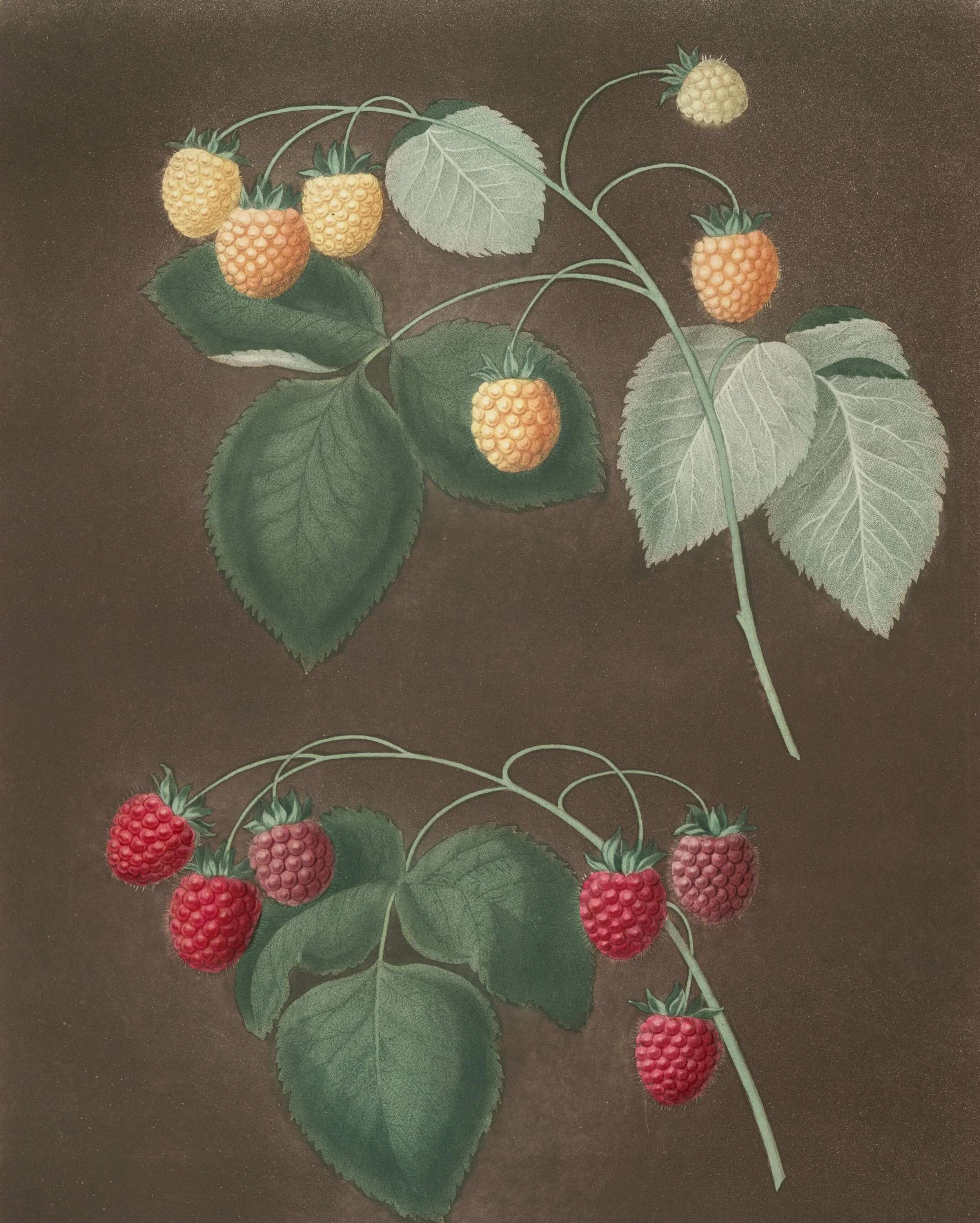
Here's what really struck me about The Serviceberry: Kimmerer doesn't just describe gift economy as an abstract ideal. She shows us how it actually works in nature as a sustainable system.
The serviceberry tree that Robin Wall Kimmerer describes in The Serviceberry doesn't just give away its fruit recklessly.
It maintains deep roots that draw nourishment from the soil. It has systems for renewal built into its very nature.
The tree gives abundantly during fruiting season, yes. But it also:
Draws water and nutrients through its root system
Absorbs sunlight through its leaves
Rests during winter, conserving energy
Maintains the conditions necessary for its own survival
This is the model for sustainable creative generosity.
Not endless giving without replenishment, but cycles of giving and receiving that keep the whole system healthy.
Learning to protect your creative energy while still being generous is an art. It requires both strategy and practice. But it's absolutely essential if you want to sustain gift economy principles over the long term.
Why Gift Economy Boundaries ARE Generosity
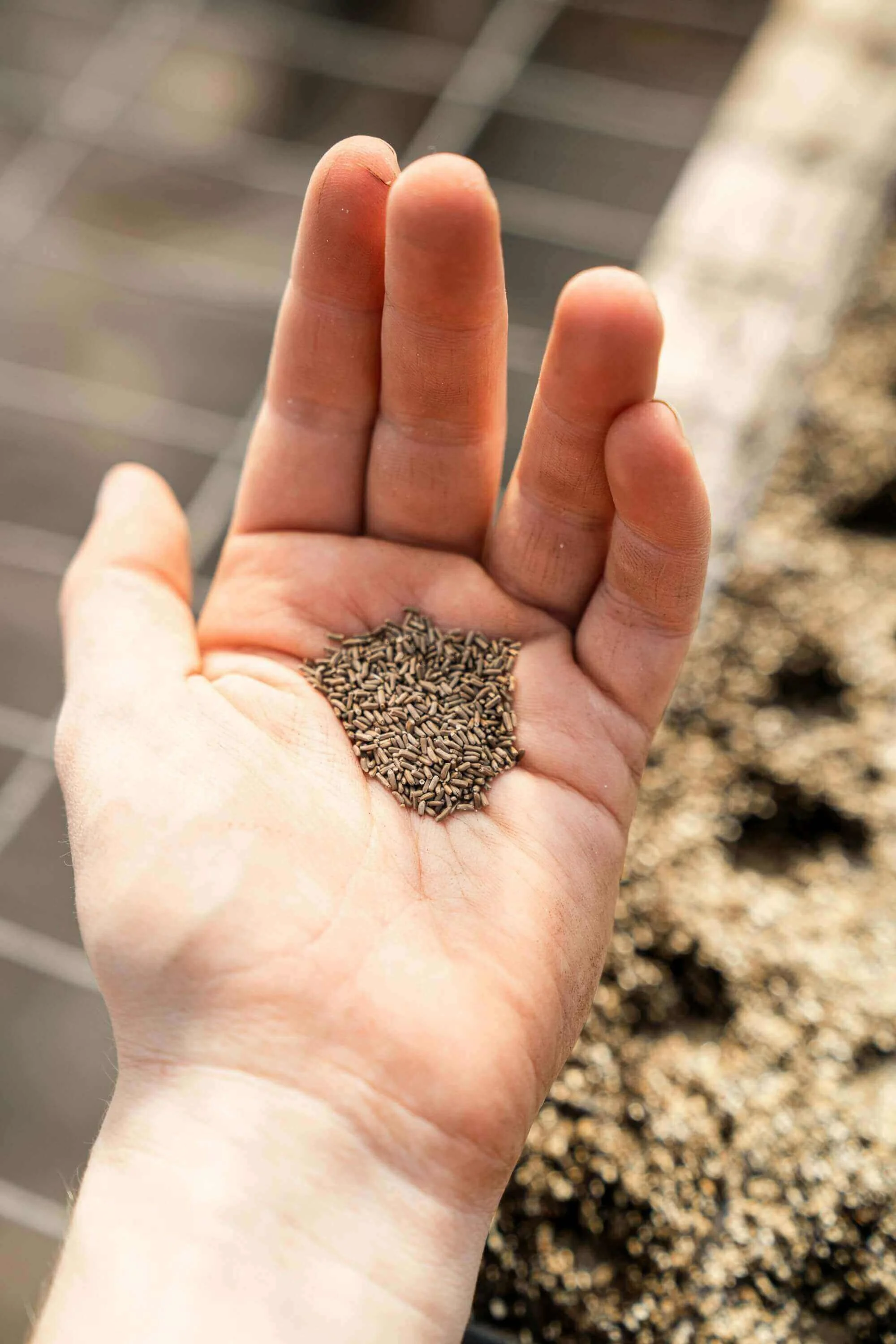
Here's the perspective shift that changed everything for me: boundaries aren't the opposite of generosity. They're what allow generosity to grow sustainably.
Without boundaries, you burn out. And burnout helps no one.
With boundaries, you can grow and give freely from a place of fullness for years and years.
Your boundaries protect your capacity to keep showing up.
Think about it this way: if you say yes to everything and burn out in six months, you've helped people for six months. If you set boundaries and sustain your practice for a decade, you've helped people for ten years.
Which is more generous in the long run?
Boundaries also model healthy gift economy practice for other authors. When you demonstrate that it's possible to be both generous and protective of your energy, you give other people permission to do the same.
Some boundaries that protect sustainable generosity:
Time boundaries: Specific hours for community engagement vs. creative work
Energy boundaries: Only saying yes when you have genuine capacity
Emotional boundaries: Not taking responsibility for others' reactions to your no
Financial boundaries: Charging for professional work while giving freely in other ways
Reciprocity boundaries: Limiting investment in consistently extractive relationships
The "Oxygen Mask Principle" for Creatives
Let me bring back that airplane metaphor, because it's so perfect for understanding what Robin Wall Kimmerer demonstrates in The Serviceberry about sustainable giving:
You can't help others if you're passed out from lack of oxygen.
For creative people, "oxygen" means:
Time and space to actually create your art
Rest and restoration between intensive periods
Relationships that energize rather than drain you
Practices that refill your creative well
Financial stability that lets you work sustainably
If you're giving away all your oxygen trying to help everyone else, you'll eventually pass out. And then you're useless to everyone, including yourself.
The authors who are still showing up generously five, ten, fifteen years later?
They're the ones who put their oxygen masks on first.
Practical Steps to Enter the Reciprocity Loop Sustainably

Okay, so you understand the principles. You've identified some boundaries you need to set. You're committed to sustainable generosity rather than martyrdom.
How do you actually practice this?
Start Small and Notice
Don't try to revolutionize your entire approach overnight. Gift economy practice is something you grow into gradually.
Start with one small, genuine act of generosity this week:
Promote an author's book you genuinely loved
Share a resource that helped you
Offer specific encouragement to a writer in your community
Connect two people who'd benefit from knowing each other
Then pay attention to how it feels.
Does it energize you or drain you? Does it feel like genuine generosity or performed obligation? Did you give from overflow or from depletion?
These observations will teach you more about sustainable generosity than any advice I could give.
Your own experience is the best teacher.
Build Relationships Before You Need Them
One pattern I've noticed: people who only show up in communities when they need something are immediately recognizable.
They appear right before their book launch asking for signal boosts. They join the Facebook group to promote their work. They reach out when they need a favor.
That's market economy networking disguised as community participation.
Gift economy practice means showing up consistently over time, contributing to your communities without immediately needing anything in return.
Some ways to do this:
Engage meaningfully in author communities during your non-launch seasons
Celebrate others' successes when you have nothing to promote
Share resources and knowledge before you need help with anything
Build genuine friendships with other writers, not just professional connections

By the time you actually need community support, you'll already be an established contributor.
People will want to help you because you've been helping others, not because you strategically showed up at the right moment.
This is the reciprocity loop in action: when you contribute to the ecosystem consistently, the ecosystem supports you naturally when you need it.
Trust the Process (Even When It's Slow)
You won't figure this out overnight.
You'll set boundaries that are too rigid, then too loose, before finding the right balance. You'll say yes to things you should decline and no to things you should accept. You'll overcommit and undercommit.
That's all part of learning.
This is ecological thinking applied to your creative life—exactly what Robin Wall Kimmerer teaches us through the serviceberry's natural cycles.
You're not trying to extract maximum results immediately—you're cultivating conditions for long-term thriving.
The Invitation
You don't have to sacrifice yourself to be generous. You don't have to burn out to prove your commitment to your creative community.
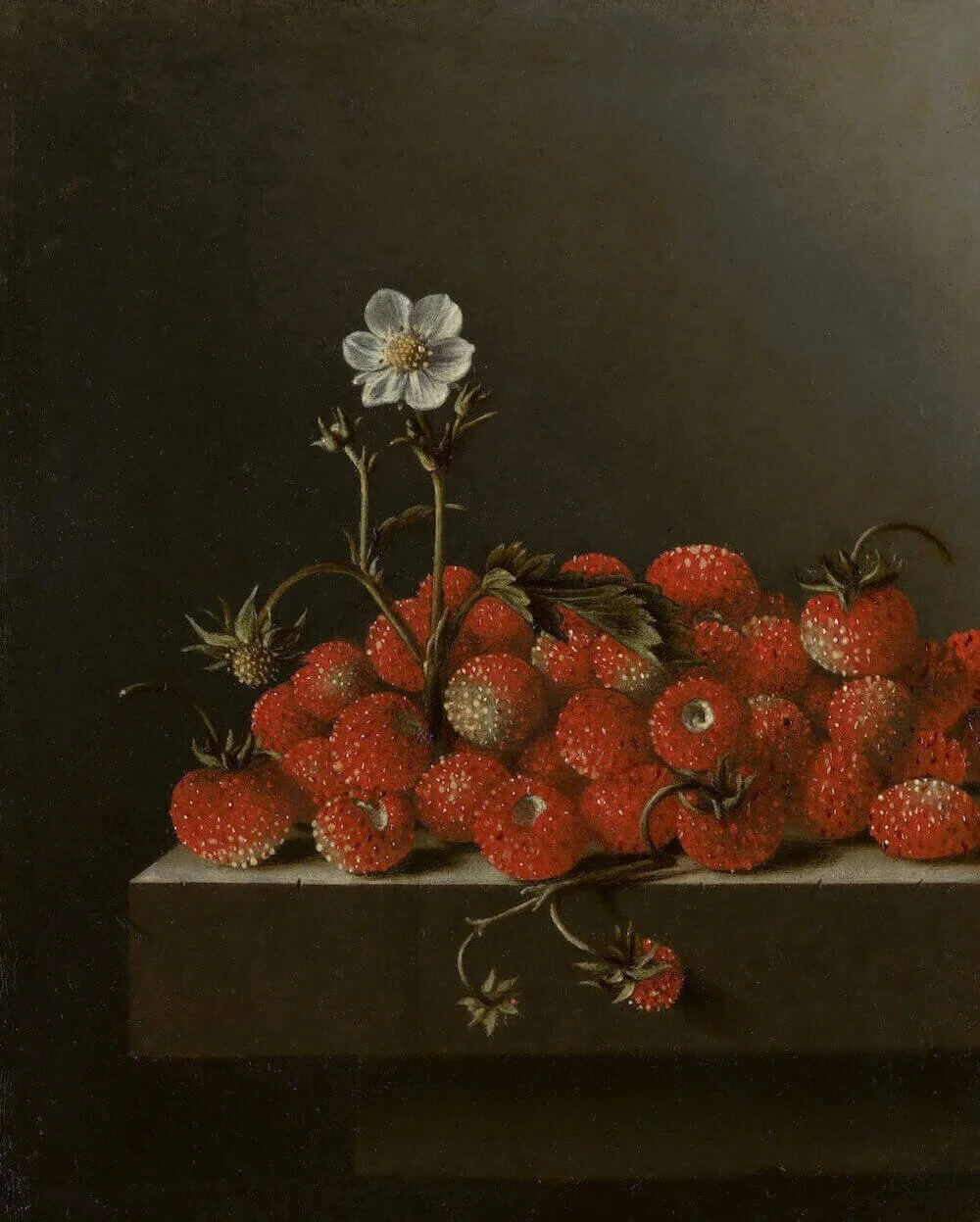
In fact, the most generous thing you can do is protect your creative energy so you can keep showing up for years to come.
This is what Robin Wall Kimmerer shows us in The Serviceberry: the tree gives abundantly, yes. But it also has deep roots that draw nourishment from the soil. It maintains the conditions for its own thriving so it can continue giving.
You can do the same.
Start with one boundary this week. Say no to one thing that would deplete you. Protect one block of creative time.
On the other hand, choose one relationship to invest. Answer a question from an author online. Give someone’s book a shout-out, without expecting anything in return.
Notice how it feels, then try it again next week.
Because the author community needs your long-haul presence way more than it needs your burnout.
Building a brand that reflects sustainable generosity starts with knowing yourself.
You've done the inner work to set boundaries and practice reciprocity—now it's time to build an author brand that supports your long-haul presence. A clear brand foundation helps you show up authentically in your community without burning out, so you can give from overflow instead of depletion.