The Complete Guide to Cozy Book Trends: 6 Subgenres Reshaping Publishing

Article 6 of The Cat Prescription Series
The Rise of Cozy Fiction
Walk into any bookstore today and you'll notice something remarkable happening:
Fantasy novels featuring magical bakeries instead of epic battles.
Romance stories focused on emotional healing rather than dramatic tension.
Literary fiction that comforts rather than devastates.
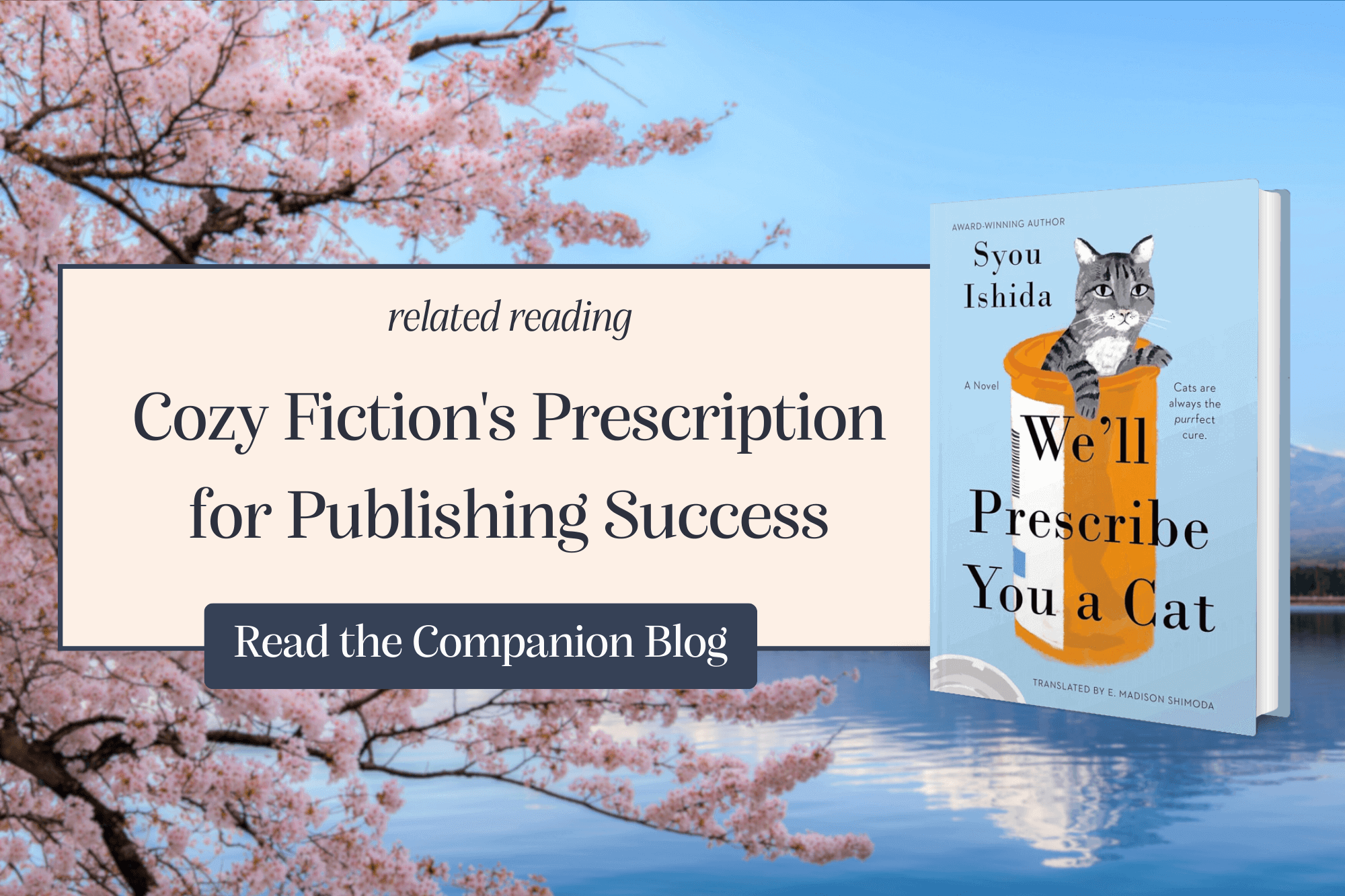
We explored why cozy fiction is a powerful prescription for publishing success in “Cozy Fiction's Prescription for Publishing Success,” but cozy isn't one-size-fits-all.

The cozy fiction revolution is expanding beyond traditional boundaries, transforming every major genre from fantasy to literary fiction.
BookTok creators build massive followings around hashtags like #cozyfantasy, #comfortreads, and #healingfiction.
Publishers are actively seeking manuscripts that incorporate "cozy elements"—healing over harm, connection over conflict, hope over despair.
Every genre can incorporate cozy elements when authors prioritize emotional healing over dramatic conflict.
This isn't about dumbing down complex genres or avoiding meaningful themes. It's about approaching universal human experiences—love, loss, growth, community—with gentleness rather than brutality, hope rather than cynicism.
The result? Six distinct cozy subgenres creating unprecedented opportunities for authors ready to serve readers' hunger for emotional restoration while maintaining the sophisticated storytelling each genre demands.
Understanding these subgenres—and how to write authentically within them—is key to thriving in today's publishing landscape.
The Cozy Revolution Across Genres

The cozy fiction movement represents a fundamental shift in what readers want from storytelling.
Instead of seeking additional stress and conflict, readers increasingly choose books that provide emotional safety while still offering meaningful character development and genuine stakes.
Cozy isn't a limitation—it's an approach that can enhance any genre while serving readers' emotional needs.
What makes any story "cozy" isn't the setting or plot structure—it's the approach.
Cozy stories prioritize healing over harm, resolve conflicts through connection rather than violence, and maintain hope that problems can be solved through care and community.
This approach works across all genres because it serves universal human needs: the desire for emotional safety, the hope that healing is possible, and the belief that kindness can triumph over cruelty.
—> For a complete exploration of why cozy fiction is reshaping publishing and how to write authentically within this movement, read our previous article: "Cozy Fiction's Prescription for Publishing Success."
Cozy Fantasy: Magic for Healing
The cozy fantasy subgenre has exploded in popularity, offering readers magical worlds focused on healing, community building, and everyday problem-solving rather than epic warfare and dark magic.
Cozy fantasy succeeds by asking 'How can magic make life better?' instead of 'How can magic win wars?'
Unlike traditional fantasy's focus on defeating dark lords or conquering kingdoms, cozy fantasy explores how magical abilities might solve ordinary problems.
Characters use magic to heal emotional wounds, build communities, create beautiful things, or simply make daily life more wonderful.
The key elements include gentle magic systems that enhance rather than endanger life, found family dynamics where characters create loving communities, and low-stakes conflicts that feel meaningful without being apocalyptic.
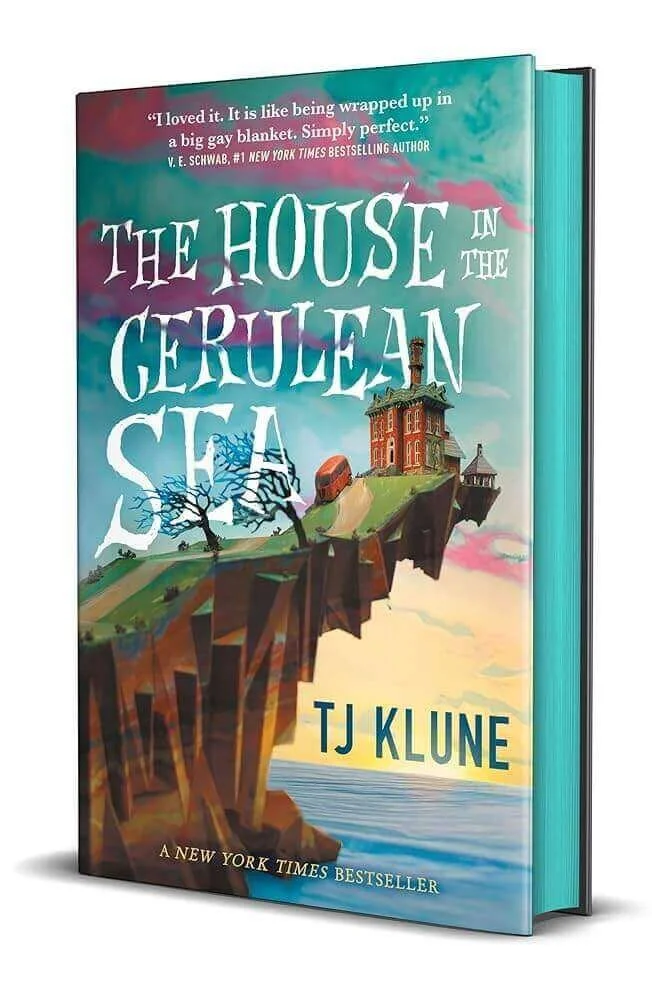
Popular examples like TJ Klune's The House in the Cerulean Sea feature magical creatures finding peace and acceptance rather than fighting for survival.
The cottage-core fantasy trend on social media celebrates magical domestic life—enchanted gardens, mystical cooking, and spells for everyday comfort.
This subgenre attracts both traditional fantasy readers seeking gentler stories and literary fiction readers drawn to magical elements that enhance rather than overwhelm realistic emotional development.
Writers approaching cozy fantasy should focus on magic as a tool for connection and healing. World-building emphasizes comfort and safety rather than danger and conflict.
Even when challenges arise, solutions come through cooperation, understanding, and creative use of magical abilities rather than combat.
The market opportunities are significant. Traditional fantasy publishers actively seek cozy fantasy manuscripts, recognizing the commercial appeal of magical stories that comfort rather than stress readers.
The subgenre also has strong crossover potential, attracting readers who typically avoid fantasy due to violence or complexity.
Cozy Mystery: Community-Centered Investigation

The cozy mystery subgenre has evolved far beyond its traditional roots, maintaining the genre's commitment to gentle stakes while expanding to include diverse protagonists, contemporary issues, and settings beyond small English villages.
Modern cozy mystery preserves the essential elements readers love: amateur sleuths, minimal violence, and community-focused storytelling.
But today's cozy mysteries feature protagonists from all backgrounds solving crimes in settings from urban bookshops to rural farms to international locations.
The best cozy mysteries solve crimes by strengthening community bonds, not by exposing them.
The investigation process emphasizes community involvement and relationship building.
Instead of isolated detectives uncovering dark secrets that destroy trust, cozy mystery protagonists work with their communities to solve problems that, once resolved, leave everyone stronger and more connected.

Louise Penny's Inspector Gamache series exemplifies this approach perfectly. Each mystery strengthens the bonds within the fictional village of Three Pines rather than tearing them apart. Characters grow and heal through the process of solving crimes together.
Contemporary cozy mysteries often feature protagonists who run community gathering places—bookshops, bakeries, libraries, craft stores—giving them natural reasons to know everyone and care about community wellbeing.
The genre's expansion includes diverse protagonists bringing fresh perspectives to traditional mystery elements.
Writers can explore how different cultural backgrounds approach community problem-solving while maintaining the genre's essential comfort and safety.
Market demand remains strong for cozy mysteries because they provide the intellectual satisfaction of puzzle-solving without the emotional devastation of violent crime stories.
Publishers actively seek diverse voices within the subgenre, creating opportunities for writers who can bring authentic cultural perspectives to community-centered mystery solving.
Cozy Romance: Emotional Safety in Love Stories
The cozy romance subgenre prioritizes emotional safety, healthy communication, and mutual growth, creating love stories that heal readers rather than stress them with toxic relationship dynamics or artificial drama.
Cozy romance prioritizes emotional safety over sexual tension, creating love stories that heal rather than stress readers.
Unlike traditional romance's emphasis on dramatic conflict and passionate intensity, cozy romance focuses on gentle relationship development, authentic communication, and partners who support each other's emotional growth.
Key elements include healthy relationship dynamics where conflicts are resolved through honest conversation rather than misunderstandings or dramatic gestures. Characters often help each other heal from past wounds while building new trust together.

Emily Henry's Beach Read exemplifies this approach perfectly—two writers with opposing worldviews help each other overcome creative blocks and emotional wounds through friendship that develops into love.
The conflict comes from internal growth challenges rather than manufactured relationship drama, and both characters become better versions of themselves through their connection.
The emotional safety extends beyond the central relationship to encompass supportive communities, found family dynamics, and settings where vulnerability is rewarded rather than punished.
Popular variations include friends-to-lovers stories that emphasize emotional connection before romantic development, second-chance romance where characters have matured and learned healthier relationship skills, and small-town contemporary romance featuring community support for the developing relationship.
Beach reads with emotional depth represent another successful approach—books that provide escapist pleasure while modeling healthy relationship dynamics and emotional growth.
Writers approaching cozy romance should focus on creating characters who bring out each other's best qualities rather than creating artificial obstacles.
Conflicts should arise from realistic external circumstances or internal growth challenges rather than manufactured misunderstandings or toxic behaviors.

The market appeal is significant, particularly among readers seeking hopeful love stories that demonstrate healthy relationship models.
Publishers report strong sales for romance that combines emotional depth with gentle storytelling, recognizing that many readers want love stories that inspire rather than exhaust them.
Cozy Literary Fiction: Character-Driven Healing
Cozy literary fiction applies sophisticated literary techniques to comforting themes, proving that profound storytelling doesn't require painful subject matter or devastating endings.
Cozy literary fiction proves that profound doesn't have to mean painful—the deepest truths can be gentle ones.
This subgenre maintains literary fiction's emphasis on beautiful prose, complex character development, and meaningful themes while focusing on human connection, personal growth, and ultimately hopeful outcomes.
Character-driven stories explore internal development through family relationships, community connections, and personal healing journeys.
The writing demonstrates literary quality through careful attention to language, structure, and emotional nuance rather than through deliberate difficulty or experimental techniques.
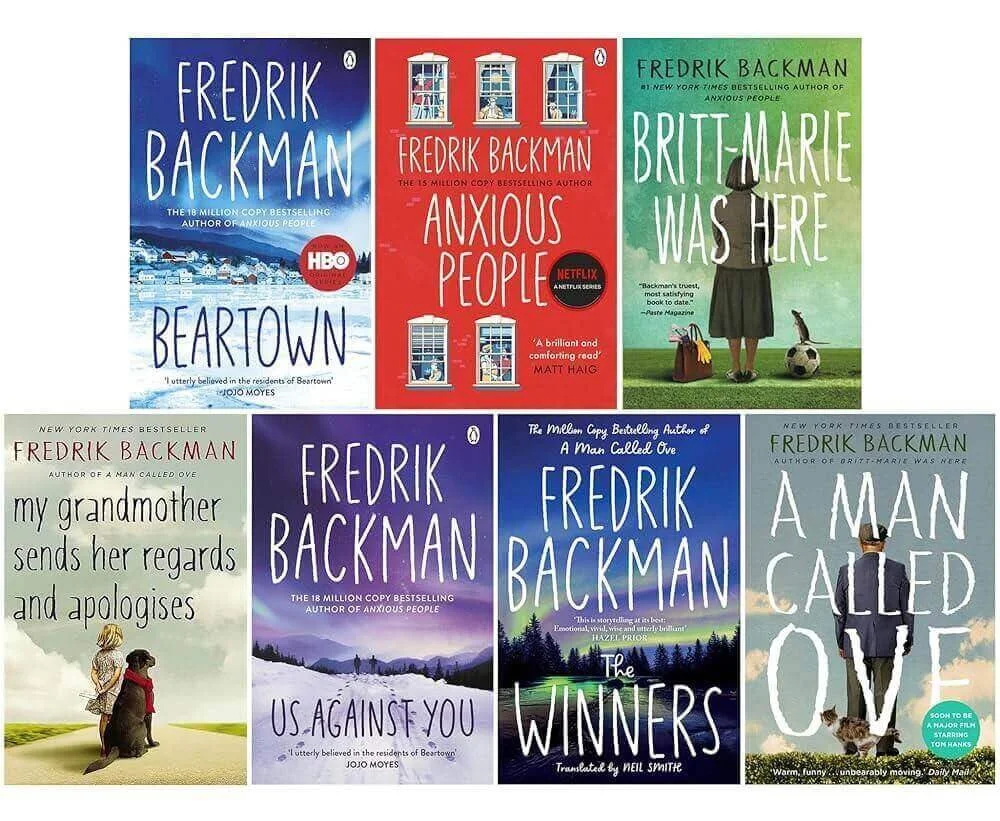
Fredrik Backman's works exemplify this approach, combining literary depth with accessible emotional truth. His characters face real challenges—grief, isolation, family conflict—but the stories maintain hope that healing and connection are possible through time, care, and community support.
Elizabeth Strout's linked story collections demonstrate how literary techniques can serve comforting themes. Her careful attention to character psychology and beautiful prose creates profound reading experiences that leave readers feeling understood rather than devastated.
Gentle family sagas represent another successful approach, exploring multi-generational relationships with literary sophistication while maintaining hope for reconciliation and growth.
The market position is strong because cozy literary fiction serves readers who want intellectual engagement without emotional punishment.
Book clubs particularly appreciate titles that provide rich discussion material while leaving members feeling hopeful rather than depressed.
Writers should focus on applying literary techniques—careful prose, complex characterization, meaningful themes—to stories about healing, growth, and human connection.
The goal is depth without despair, sophistication without cynicism.
Cozy Contemporary: Modern Life with Kindness
Cozy contemporary fiction addresses realistic modern challenges—career stress, family dysfunction, social isolation, economic anxiety—while demonstrating that these problems can be resolved through kindness, community, and human connection.
Cozy contemporary fiction shows readers that real-world problems can have real-world solutions rooted in human kindness.
Unlike contemporary fiction that emphasizes the harshness of modern life, cozy contemporary fiction maintains realistic settings and challenges while offering hope that positive change is possible through compassionate action and community support.
Stories often feature characters making significant life changes—career transitions, relationship healing, community building—that demonstrate practical approaches to common modern struggles.

Katherine Center's The Bookish Life of Nina Hill demonstrates this approach beautifully—a socially anxious woman discovers family she never knew existed and must navigate new relationships while dealing with modern challenges like social media, career pressure, and urban isolation.
Instead of dramatic family dysfunction, the story focuses on how patient communication and gradual trust-building can create genuine connections.
The key is balancing realistic acknowledgment of contemporary difficulties with genuine optimism about human capacity for growth and connection.
Characters face authentic challenges but discover solutions through persistence, community support, and willingness to prioritize relationships over material success.
Popular themes include healing from burnout through career changes that prioritize personal values, rebuilding family relationships through honest communication and mutual effort, and finding community through shared interests or mutual support.
Small-town settings often provide natural community frameworks, but urban cozy contemporary can work equally well by focusing on neighborhood connections, workplace relationships, or chosen family dynamics.
Writers should research contemporary issues thoroughly while focusing on characters who respond to challenges with hope rather than cynicism.
The goal is showing readers that modern problems, while real, can be approached with compassion and community support.
Market appeal is strong among readers seeking validation that gentle approaches to life's challenges can be effective.
Publishers recognize that many readers want contemporary fiction that acknowledges modern stress while providing hope for positive change.
International Cozy: Cultural Comfort Stories
International cozy fiction blends authentic cultural specificity with universal comfort themes, creating stories that educate readers about different cultures while providing the emotional restoration that defines cozy fiction.
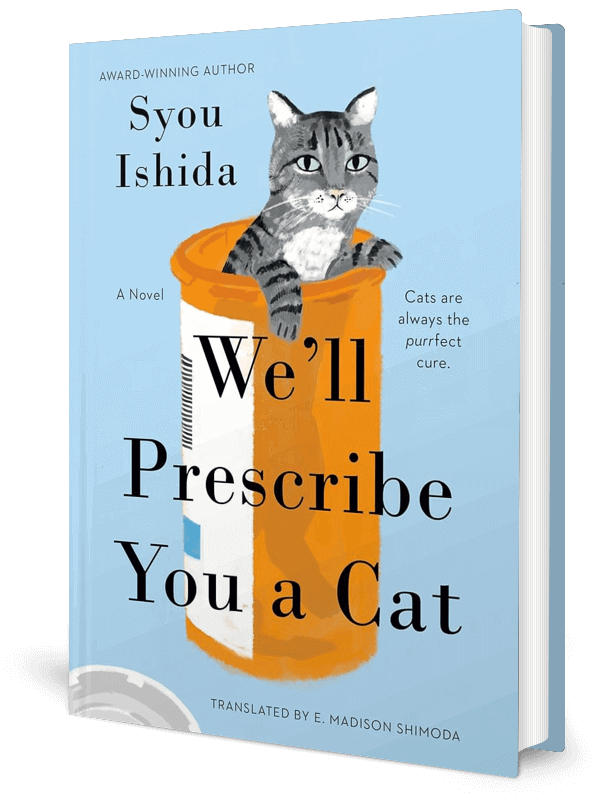
Syou Ishida's We'll Prescribe You A Cat perfectly exemplifies this approach, using specifically Japanese cultural elements—Kyoto geography, cultural attitudes toward healing, social expectations—to explore universal themes of loneliness, burnout, and the human need for connection.
International cozy fiction proves that comfort is a universal language—cultural specificity makes universal themes more authentic, not less accessible.
The key is authentic cultural representation that serves emotional truth rather than exotic appeal.
Writers draw from their own cultural backgrounds to ground universal experiences in specific, believable details that help readers understand both the culture and the common human emotions being explored.
Scandinavian hygge fiction represents another successful approach, using Nordic concepts of comfort and community to explore themes of simplicity, contentment, and work-life balance that resonate across cultures.

The Thursday Murder Club series uses British cultural specificity—retirement community dynamics, cultural attitudes toward aging, British humor—to explore universal themes about friendship, purpose, and community in later life.
Market opportunities are significant because international cozy fiction serves the growing demand for diverse reading while providing the comfort that defines the cozy market. Publishers actively seek authentic voices that can bridge cultural specificity with universal appeal.
Stories that ground universal emotions in specific cultural details often translate well because the emotional core remains accessible while the cultural elements provide interesting context.
The Future of Cozy Subgenres
The cozy fiction revolution shows every sign of continued growth and expansion.
As readers increasingly seek emotional restoration through their reading choices, new cozy subgenres will likely emerge while existing ones continue evolving.
Science fiction may develop cozy variations focusing on technology used for healing and community building rather than warfare and dystopia.
Historical fiction could emphasize stories of hope and human connection during difficult periods rather than focusing solely on historical trauma.

Digital reading platforms report increased searches for comfort-related keywords, and social media algorithms continue favoring content that provides emotional restoration over content that creates stress or outrage.
Global expansion seems inevitable as international publishers recognize the universal appeal of comfort-focused storytelling.
The movement represents more than a trend—it's a fundamental shift toward prioritizing reader emotional wellbeing alongside quality storytelling.
The cozy fiction revolution is just beginning—every genre offers opportunities for authors ready to prioritize healing over harm.
Conclusion & Next Steps
The six cozy subgenres—fantasy, mystery, romance, literary fiction, contemporary, and international—represent just the beginning of a publishing revolution that prioritizes emotional healing alongside quality storytelling.
Each subgenre offers unique opportunities for authors willing to approach their chosen genre with gentleness rather than harshness, hope rather than cynicism, connection rather than isolation.
The commercial viability is proven. The reader demand is genuine. The market opportunities continue expanding as publishers recognize that comfort-focused storytelling serves a real need in today's world.

Trust in the power of gentle storytelling.
Your readers are seeking exactly the kind of emotional restoration that cozy fiction provides, regardless of which genre serves as your foundation.
The future belongs to authors who understand that healing is as dramatically interesting as harm, that hope is as literarily sophisticated as despair, and that comfort reading can be as artistically meaningful as any other approach to storytelling.
Start where you are, in the genre you know best, and discover how cozy elements can enhance rather than limit your creative possibilities.
Ready to Find Your Place in the Cozy Fiction Revolution?
Understanding cozy subgenres is essential—but here's the challenge: if you brand around one subgenre, you limit your entire career. This free guide shows you how to identify the core elements that make your work recognizably yours, whether you're writing cozy fantasy today or dark romance tomorrow.