
What Tom Felton's Beyond the Wand Teaches About Author Vulnerability
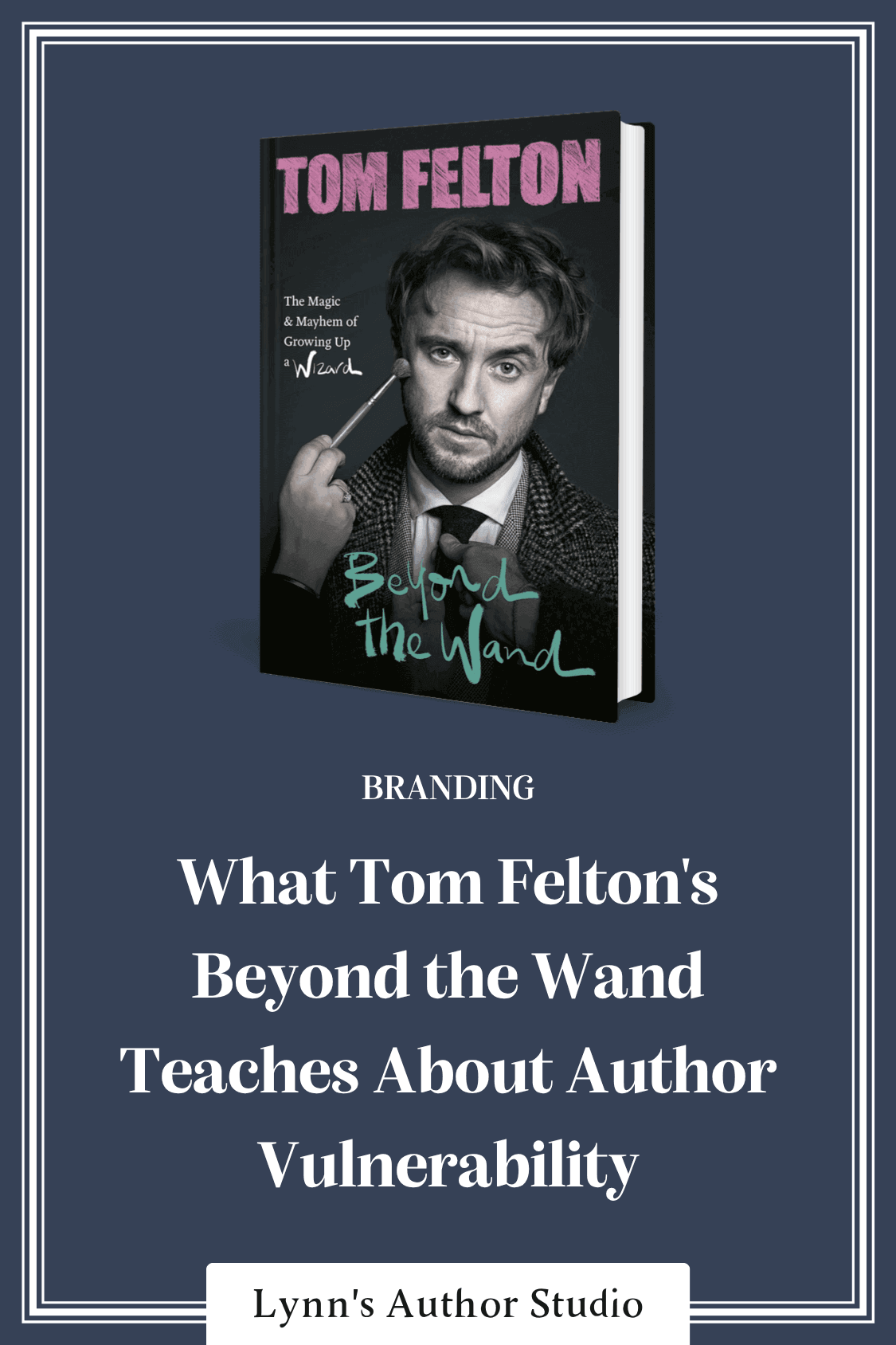
Part 1 of Beyond the Icon: Author Authenticity in Public Life
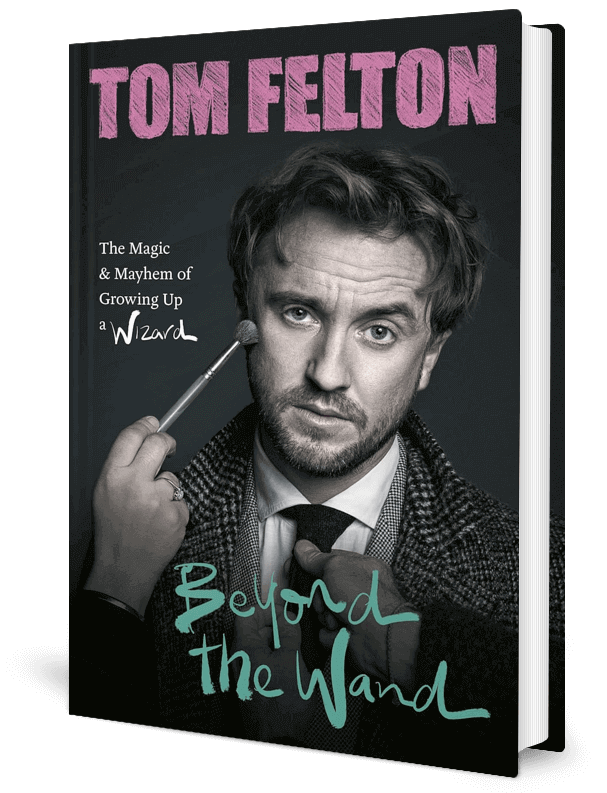
Tom Felton doesn't apologize for his drinking problem in Beyond the Wand.
He doesn't ask for sympathy. He doesn't perform his recovery like a redemption arc designed to win back public favor.
He just tells you what happened. The alcoholism. The depression. The years of struggling to be seen as something other than Draco Malfoy.
He owns it with the kind of clear-eyed honesty that makes you trust him more, not less.
Here's what's remarkable: sharing these struggles didn't damage his brand. It strengthened it.
And that's the question every author wrestles with, isn't it?
Should I share my mental health journey? My publishing rejections? My imposter syndrome?
Won't admitting these things make me look unprofessional? Won't it undermine my credibility?
Tom Felton's memoir proves that strategic transparency builds trust rather than undermining it.
The difference between vulnerability that strengthens your author brand and oversharing that sabotages it comes down to one thing: intentionality.
Let me show you what Beyond the Wand teaches authors about vulnerability done right.
The Line Between Vulnerability and Oversharing
Vulnerability and oversharing look similar on the surface.
Both involve revealing personal struggles. Both require courage. Both make you feel exposed.
But the impact is completely different.
Vulnerability is strategic.
It's processed, purposeful, and serves your audience. When you're vulnerable, you've done the internal work first. You understand what happened to you and what it means.
You're sharing from a place of strength, offering your experience as a gift to help others navigate similar challenges.

Oversharing is reactive.
It's raw, unprocessed, and serves you more than your audience. When you overshare, you're still in the middle of the crisis.
You're using your audience as a therapist, dumping your emotions without context or meaning. You're seeking validation rather than offering value.
Here's how Tom Felton demonstrates the difference throughout Beyond the Wand:
He doesn't share his struggles while he's actively spiraling. He writes from the other side, with enough distance to understand what he went through and what it taught him.
When he describes his drinking, he's not asking you to fix him or feel sorry for him.
He's just telling you: this happened. This is me.
That's the energy that builds trust.
For authors, this distinction matters enormously. Your author brand isn't just about your books—it's about who you are as a professional.
Agents, editors, and readers want to work with people who are self-aware, trustworthy, and emotionally mature.
Strategic vulnerability signals all of these qualities. Oversharing signals the opposite.
→ Break the industry silence in “Tom Felton on Mental Health: What Authors Don't Talk About”

Controlling Your Narrative
Tom Felton made a choice.
He could wait for someone to write an unauthorized biography exposing his struggles. He could hope his drinking stayed private. He could let other people define him as "troubled" or "washed up" or whatever narrative the tabloids wanted to spin.
Or he could tell his own story first.

Proactive transparency is power.
When you control your narrative, you decide how your story is told, what context it's given, and what it means.
You're not defending yourself against someone else's version of events. You're simply presenting the truth on your own terms.
This is exactly what several contemporary authors have done brilliantly:
Matt Haig has built an entire platform around his experience with depression and anxiety. He doesn't hide it or apologize for it. He writes about mental health with honesty and humor, and it's made him one of the most trusted voices in his space.
Roxane Gay has written extensively about her weight, her trauma, and her experience as a Black woman in America. Her vulnerability is unflinching but never self-pitying. She owns her story completely.
Elizabeth Gilbert shared her divorce and subsequent life transformation publicly, even though it contradicted the happy ending of Eat, Pray, Love. She didn't hide from the messiness. She leaned into it.
What do all these authors have in common?
They shared strategically, from a place of self-awareness, with clear intention.
They didn't wait for someone else to expose them. They spoke first.
The alternative is giving away your power.
If you hide something you're ashamed of, you live in fear of exposure. If someone else reveals it, they control how it's framed.
Neither option serves your author brand.
→ Learn to tell your story first in “Beyond the Wand: Why Authors Should Own Their Story First”

The "This Is Me" Test
So how do you know if you're sharing strategically or oversharing? Tom Felton's approach offers a framework.
What made his disclosure work:

1. He wasn't asking for sympathy.
There's no victim narrative in Beyond the Wand. Felton doesn't position himself as someone who was wronged by fame or damaged by playing Draco. He takes full ownership of his choices and their consequences.
2. He wasn't seeking attention.
The memoir isn't a dramatic tell-all designed to generate headlines. It's thoughtful and measured. He shares what's relevant without sensationalizing it.
3. He wasn't apologizing.
This is crucial. Felton doesn't grovel or engage in performative self-flagellation. He doesn't say, "I'm so sorry I was such a mess." He just says, "I struggled with this, here's what I learned."
4. He WAS owning it.
Clear-eyed honesty. No excuses, no deflection, no spin. Just the truth. That combination—honesty without self-pity, ownership without apology—creates trust.
→ See this framework in action in “4 Things Tom Felton Didn't Do (And Why Authors Should Pay Attention)”
Here's how to test if you're ready to share something:
Questions to ask yourself:
Have I processed this privately first? (Therapy, journaling, time).
Am I sharing to help others or to get validation?
Would I regret this tomorrow?
Does this serve my audience or just serve me?
Am I comfortable with this becoming part of my permanent brand?
Red flags you're oversharing:
You're still actively in crisis.
You're looking for the audience to make you feel better.
You haven't decided how you feel about it yet.
It feels performative.
You'd be embarrassed if this came up in a professional setting.
The "This Is Me" test is simple: Can you share this story with the energy of "this is who I am" rather than "please tell me I'm okay"?
If yes, you're probably ready. If no, wait.
→ Get the full self-assessment framework in “5 Questions to Ask Before Sharing Your Author Story CTA”
Strategic Vulnerability for Different Career Stages
Not all disclosures are equal. What's appropriate to share changes depending on where you are in your author journey.
Aspiring Authors (Pre-Publication):
At this stage, you're building credibility and demonstrating your commitment to craft.
Safe to share:
Writing struggles, craft journey, learning from rejection, the emotional ups and downs of working on a manuscript
Risky to share:
Bitter rants about agents who rejected you, specific complaints about industry gatekeepers, anything that makes you seem difficult to work with

Pre-Published Authors (Agented/On Submission):
You're a professional now, but not yet public. You're building relationships in the industry.
Safe to share
The emotional reality of the waiting game, imposter syndrome, what it's like to navigate the business side of publishing
Risky to share
Specific details about your submission process, negative opinions about publishers who passed, complaints about your agent
Published Authors:
You're established. Your brand is public.
Safe to share
Post-publication anxiety, the reality of disappointing sales, sophomore slump fears, the pressure to perform
Risky to share
Complaints about your publisher, regrets about your book, frustration with your editor, sales numbers (unless they're good)
The principle across all stages: Share the internal journey. Be careful with external specifics.
Talk about how publishing makes you feel. Share your emotional growth and self-awareness.
But think twice before naming names, sharing numbers, or complaining about specific people or companies in your professional ecosystem.
Tom Felton does this beautifully. He talks about the emotional reality of being typecast without blaming anyone. He discusses his struggles without making it anyone else's fault.
He owns his experience completely.
→ Understand the unique pressure in “Life After Draco Malfoy: What Authors Can Learn About Post-Debut Pressure”

What This Looks Like in Practice
So what does strategic vulnerability actually look like when authors do it well?
The pattern is consistent. Authors who share effectively have all done the same work:
1. They processed it first.
They went to therapy. They journaled. They talked it through with trusted friends. They gave themselves time to understand what happened and what it meant before they made it public.
2. They found the meaning.
They don't just share trauma for shock value. They share what they learned, how they grew, what changed because of it.
3. They shared from strength, not desperation.
By the time they write about it, they're on the other side. They're not asking the audience to save them. They're offering their experience as a resource.
4. They made it useful.
Their vulnerability serves the reader. It offers hope, perspective, or practical wisdom. It's not just catharsis—it's contribution.

Examples:
Matt Haig doesn't just say "I had depression." He writes entire books about what helped him, what didn't, and how others might navigate similar struggles. His vulnerability has a purpose beyond himself.
Roxane Gay doesn't just share her trauma. She contextualizes it within larger conversations about body image, assault, and healing. Her personal experience becomes a lens for examining cultural issues.
This is what Tom Felton teaches authors: You can be fully human AND fully professional.
You don't have to choose between authenticity and credibility. Strategic vulnerability is the bridge between them.
Your struggles don't make you less professional. They make you human. And handled well, they make you trustworthy.
→ Master the craft of writing about struggle in “Beyond the Wand: 5 Memoir Techniques for Writing Dark Material”

The Bottom Line
Your struggles don't undermine your professionalism—hiding them or weaponizing them does.
Tom Felton's memoir proves that honesty builds trust when it's:
Proactive (you control the narrative)
Processed (you've done the work privately first)
Purposeful (serves the audience, not just you)
Self-aware (no victim narrative or attention-seeking)
For authors navigating the publishing industry, this matters more than you might think. The literary world values emotional intelligence.

Agents want to represent authors who can handle rejection with grace.
Publishers want to work with writers who understand themselves.
Readers want to connect with real human beings, not polished personas.
You don't have to be perfect. You have to be honest.
And there's a huge difference between being honest and being an open wound.
The question isn't "Should I share my struggles?"
The question is "Have I processed this enough to share it strategically?"
When the answer is yes—share.
Your readers, your agent, your publisher, and your career will all benefit from seeing the real, self-aware, emotionally mature you.
Just make sure you're sharing from a place of "this is me," not "please validate me."
That's the difference between vulnerability that strengthens your brand and oversharing that undermines it.
And now you know how to tell them apart.
Ready to build an author brand that reflects who you really are?
You've developed the self-awareness to share strategically—now it's time to show the publishing world you're a professional worth taking seriously. A well-designed author website signals that you understand your brand, respect your readers, and approach your career with the same intentionality you've applied to your personal growth.

If You Liked This Article, You’ll Also Love…
What Tamora Pierce's 30-Year Career Teaches Us About Author Brand Evolution
Why Author Branding Isn't Vanity—It's Survival: Professional Design in the Age of Digital Censorship
Building Your Author Brand Like Charlotte McConaghy: From YA to Literary Thriller
Robert Louis Stevenson's Author Brand: 5 Lessons for Modern Writers
