
Beyond the Wand: Why Authors Should Own Their Story First
Part 6 of Beyond the Icon: Author Authenticity in Public Life
Tom Felton didn't wait for a tabloid to expose his drinking problem. He didn't let someone else break the story of his depression. He didn't hope no one would find out.
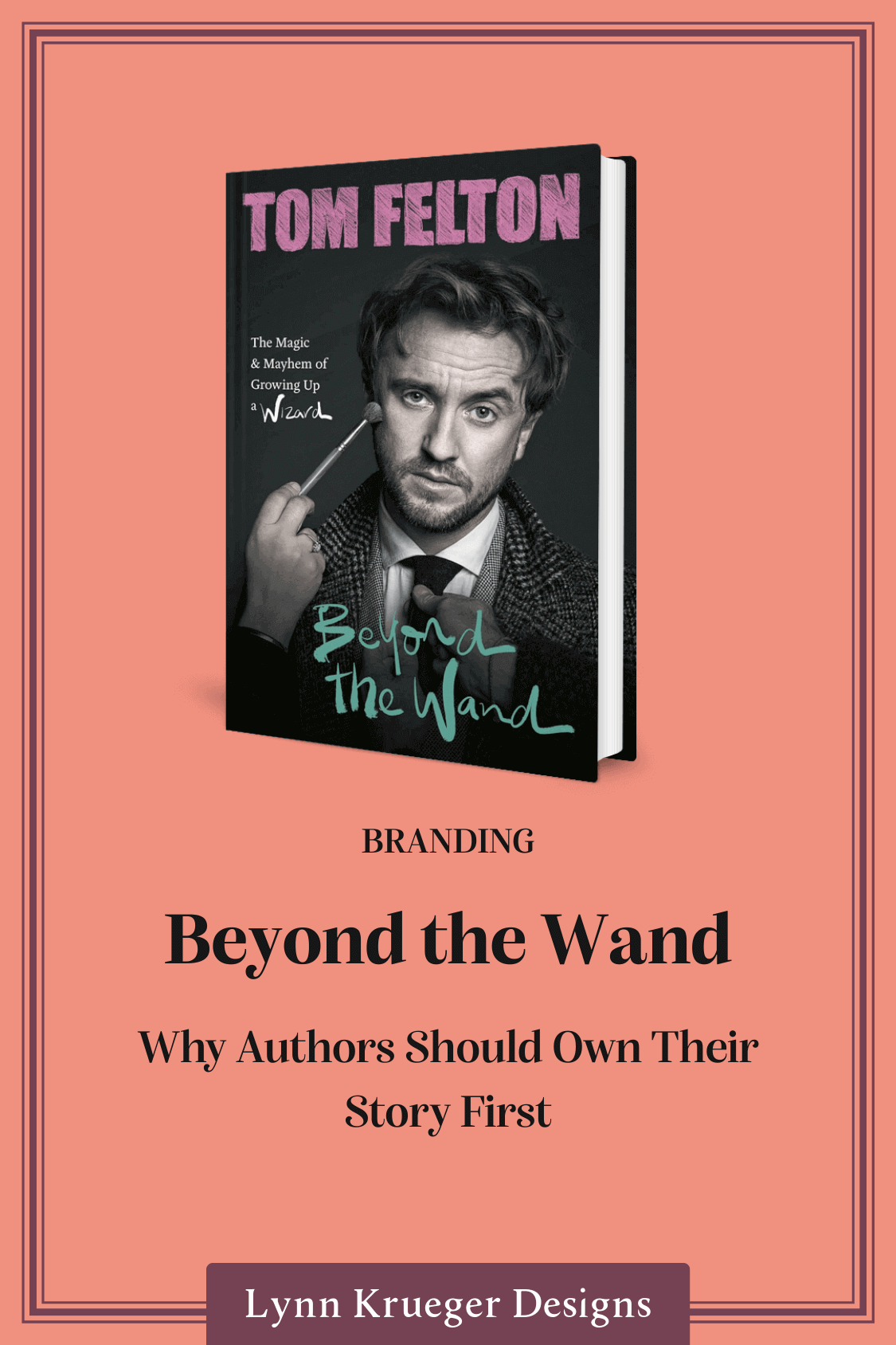
He wrote about it himself, in his own words, on his own timeline, in his own book: Beyond the Wand: The Magic and Mayhem of Growing Up a Wizard.

That's strategic transparency.
When you own your story—when you share it proactively rather than reactively—you control the narrative.
You decide what gets shared, how it gets framed, and what it means.
When someone else tells your story, they decide all of that. And they rarely get it right.
In this article, you'll learn why proactive transparency protects your author brand, what happens when you don't own your story first, and how to share strategically to maintain control of your narrative.
→ New to the series? See the complete vulnerability framework in What Tom Felton's Beyond the Wand Teaches About Author Vulnerability

Why Controlling Your Narrative Matters
In publishing, your story will come out eventually.
Success makes you visible. Visibility invites scrutiny. Scrutiny uncovers things you might prefer to keep private.
You can't control whether your story becomes public. But you can control who tells it first.
The person who tells the story first controls how it's understood.
If you share your struggles proactively—before anyone else can—you get to frame them. You decide what details matter. You provide the context. You explain what it means.
If someone else shares your struggles first—a journalist, a former colleague, an anonymous source—they frame it.
They choose the details. They provide the context (or don't). They decide what it means.
One version positions you as someone with self-awareness and honesty. The other positions you as someone with secrets that got exposed.
The facts might be identical. The perception is completely different.
The Power of Going First

Felton's memoir works partly because he chose to share.
He wasn't forced. He wasn't exposed. He wasn't backed into a corner by gossip or rumors.
He made a strategic decision to tell his own story, and that decision gave him power.
Proactive sharing signals strength. Reactive sharing signals damage control.
When you share something difficult before anyone asks, it demonstrates:
Self-awareness (you understand yourself clearly)
Confidence (you're not ashamed)
Control (you're managing your own narrative)
Honesty (you're not hiding)
When you only share after you're forced to—after rumors circulate, after someone else breaks the story, after you're cornered—it looks like you were hiding it because you're ashamed.
The same information shared proactively vs. reactively creates completely different impressions.
Examples of Proactive Transparency
Matt Haig built his entire author brand around mental health before anyone asked. He wasn't responding to exposure. He was choosing to lead with vulnerability.
Result: He's known as an advocate and expert, not as someone with shameful secrets.

Glennon Doyle wrote about her marriage ending, her sexuality, her struggles with addiction—all on her own terms, in her own books, with her own framing.
Result: She controls her narrative completely. No tabloid can "expose" anything because she's already shared it herself.
Roxane Gay wrote about her weight, her trauma, her experiences with violence in Hunger—not because she was forced to, but because she chose to.
Result: She owns her story so completely that no one else can weaponize it against her.
The pattern: These authors share proactively, not reactively. They go first. They control the framing. They own their narratives.
What Happens When You Don't Own Your Story
When you hide something—hoping no one will find out, waiting for it to go away—you give away your power.
You live in fear of exposure. You wonder when someone will discover your secret. You worry about how it will be framed when it inevitably comes out.

Hiding creates anxiety. Hiding creates vulnerability to exposure. Hiding gives other people power over you.
And here's the thing: in publishing, almost everything comes out eventually. Success brings visibility. Visibility brings investigation. People talk. Records exist. The internet never forgets.
If you have something in your past that could affect your author brand—a public failure, a scandal, a struggle—you have two choices:
Share it proactively on your terms
Wait for someone else to find it and share it on theirs
Option two is always worse.
When Exposure Happens First
When someone else breaks your story:
You're on the defensive immediately
You look like you were hiding something
They control the framing and context
You're forced to respond to their version
Your explanation looks like damage control
Even if you tell the truth, even if you provide context, you're always playing catch-up. The initial framing sticks.
The first version of a story is the one people remember.
If that first version comes from someone else—especially someone with an agenda or without full context—you're fighting an uphill battle to correct the record.
When to Share Proactively vs. When to Wait

Proactive sharing doesn't mean sharing everything immediately. It means making strategic decisions about what to share and how and when.
Some things are worth sharing proactively. Some things aren't worth sharing at all. The key is knowing the difference.
Share proactively when:
The information is likely to come out anyway. If it's a matter of public record, if other people know about it, if it's discoverable—get ahead of it.
The information affects your credibility or platform. If it contradicts your brand, if it's relevant to your expertise, if people would feel misled not knowing it—share it.
You've processed it enough to own it. If you can talk about it with clarity and self-awareness, if you know what you learned, if you're not drowning in shame—you're ready.
→ Assess your readiness in “5 Questions to Ask Before Sharing Your Author Story.”
Don't share proactively when:
It's truly private with no public relevance. Some things are just yours. If it doesn't affect your work, your brand, or your credibility—you don't owe anyone access to it.
You haven't processed it yet. If you're still in crisis, still figuring it out, still overwhelmed—wait. Proactive doesn't mean premature.
Sharing it would harm others. If your story involves other people who haven't consented to being part of your public narrative—protect their privacy.
The principle: Share what's likely to come out anyway, what affects your credibility, or what serves your audience. Keep private what's genuinely personal and irrelevant to your platform.
How to Own Your Story Strategically

Owning your story doesn't mean oversharing. It means sharing strategically—with purpose, clarity, and control.
Step 1: Decide what needs to be shared
Not everything requires public disclosure. Ask yourself:
Is this likely to be discovered or exposed?
Does this affect my credibility or platform?
Would my audience feel misled not knowing this?
If the answer is yes to any of these, consider proactive sharing.
Step 2: Process privately first
Don't share while you're still in crisis. Do the therapy, the journaling, the private work. Get clear on what happened, what it means, and what you learned.
You can only own your story when you understand it yourself.
Step 3: Choose your platform and framing
Decide how and where you'll share. A memoir? A personal essay? A social media post? An interview?
The platform matters. More permanent platforms (books, essays) give you more control over framing than interviews or social media.

Step 4: Share on your timeline
Don't wait for someone else to force the issue. But don't rush either. Share when you're ready, when you've processed it, when you can own it fully.
Step 5: Own it completely
Once you share, stand by it. Don't apologize for having the experience. Don't back away from what you said. Don't qualify or hedge.
You chose to share this. Own that choice.
The Freedom of Transparency
Here's what's powerful about proactive sharing: Once you've told your story, no one can threaten you with it.
The information that felt like a weakness becomes neutral. You've defused it by sharing it yourself.
Secrets give other people leverage over you. Transparency removes that leverage.
Felton can't be threatened with exposure about his drinking. He already told everyone. He owns it completely. It's not a weapon someone can use against him—it's just part of his story that he's already integrated into his public narrative.

That's freedom. That's power.
When you own your story, you protect yourself from being controlled by fear of exposure. You're not wondering if someone will find out. You're not worried about how it will be framed.
You already framed it yourself.
Bottom Line
Tom Felton controlled his narrative by sharing his struggles in his own book, in his own words, on his own timeline.
He didn't wait to be exposed. He didn't let tabloids break the story. He didn't hide and hope no one would find out.
He went first. He owned it. He controlled the framing.
You can do the same thing. You can decide what to share, when to share it, and how to frame it. You can tell your own story before someone else tells it for you.
Proactive transparency isn't about oversharing everything. It's about strategically owning the parts of your story that are likely to come out anyway or that affect your credibility.
When you share proactively, you signal strength. When you share reactively—after being exposed or forced—you signal damage control.
The person who tells the story first controls how it's understood.
Be that person. Own your story. Control your narrative.
Because the alternative—hoping no one finds out, living in fear of exposure, letting someone else frame your truth—gives away all your power.
And your story is too important to hand over to someone else.
Ready to take control of your author narrative?
You've learned why proactive transparency protects your reputation. But here's the strategic piece most authors miss: your brand itself should be built to accommodate your full story—including the chapters you'll share later. This free guide shows you how to create a foundation that evolves with you, so when you're ready to own something publicly, your platform already has room for it.

If You Liked This Article, You’ll Also Love…
What Tamora Pierce's 30-Year Career Teaches Us About Author Brand Evolution
Why Author Branding Isn't Vanity—It's Survival: Professional Design in the Age of Digital Censorship
Building Your Author Brand Like Charlotte McConaghy: From YA to Literary Thriller
Robert Louis Stevenson's Author Brand: 5 Lessons for Modern Writers
