
Missing content? Oh my!
Looks like that has relocated. Hmm…
Let’s see if we can search up what you were looking for.
Or Explore the Latest on the Blog ⤵

How did Shelby Van Pelt make Remarkably Bright Creatures funny AND devastating? Here's the craft behind the tonal balance — and what authors can learn from it.
Who is Shen Tao? Meet the author of The Poet Empress, and discover what her ten years and eight unsold manuscripts can teach you about getting published.
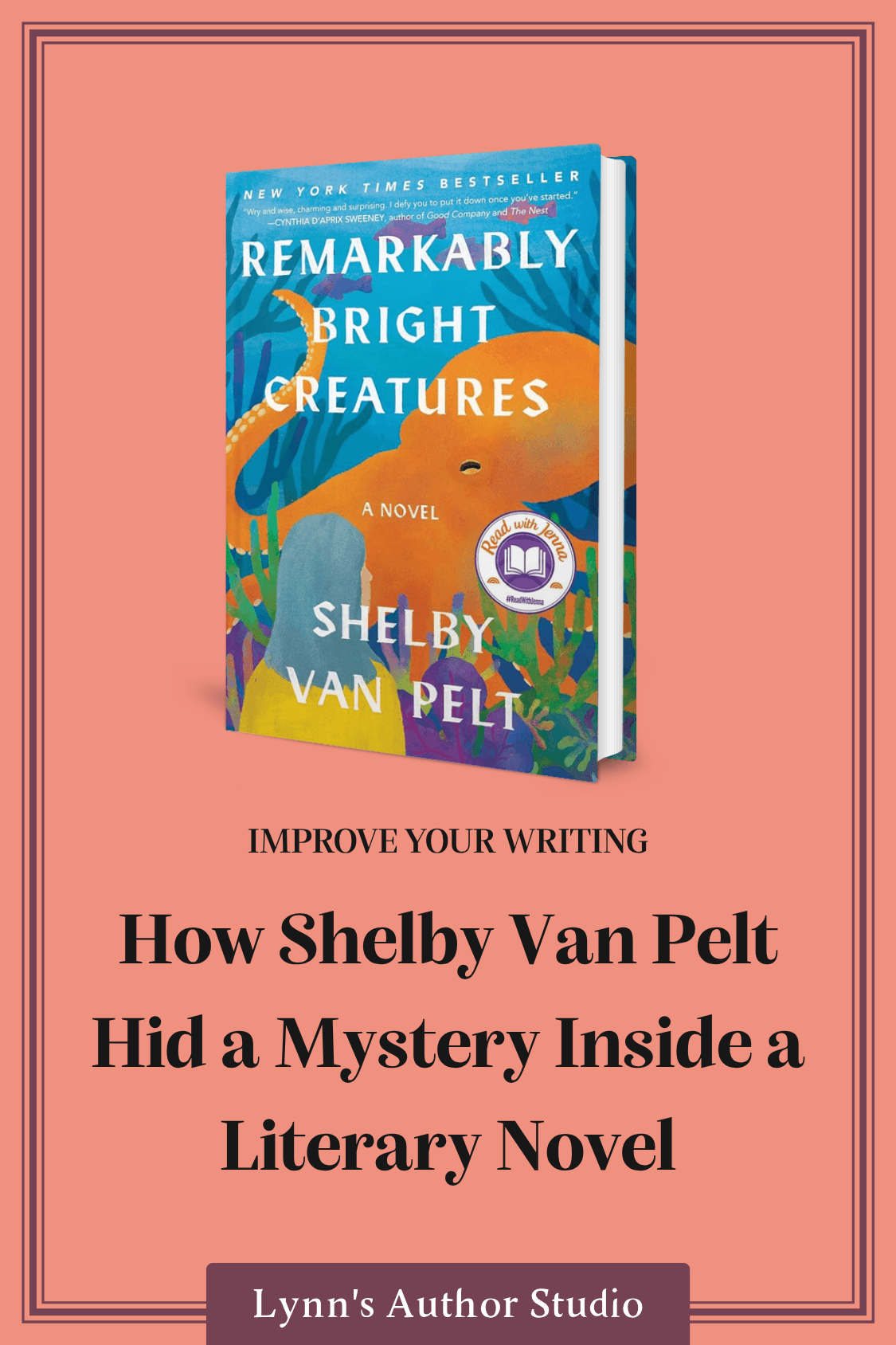
Remarkably Bright Creatures is a literary novel hiding a mystery structure. Here's how Shelby Van Pelt built it — and what authors can learn about plot and emotional depth.
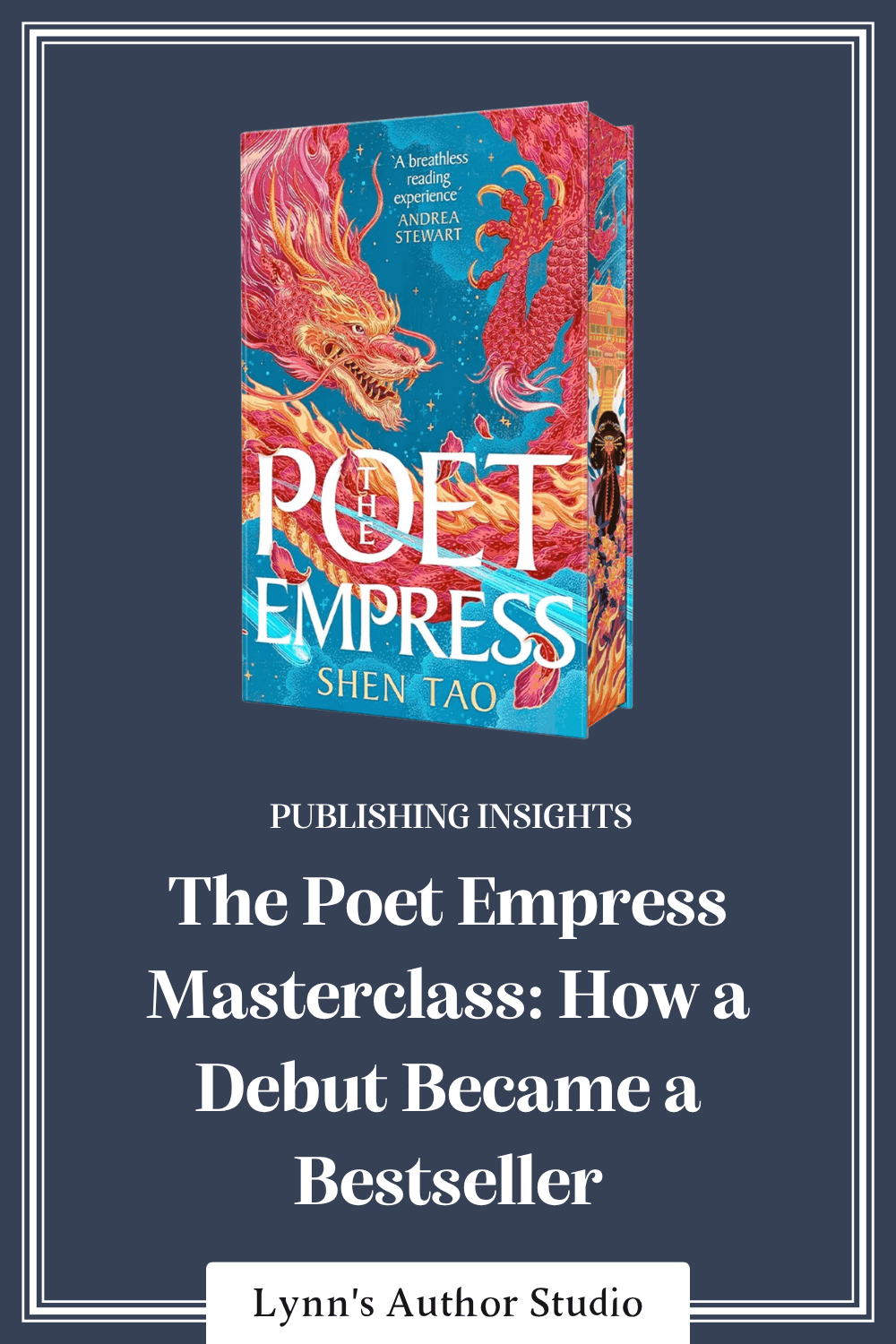
What made The Poet Empress a breakout bestseller? A craft and career breakdown of Shen Tao's debut, and what it means for building a lasting career.
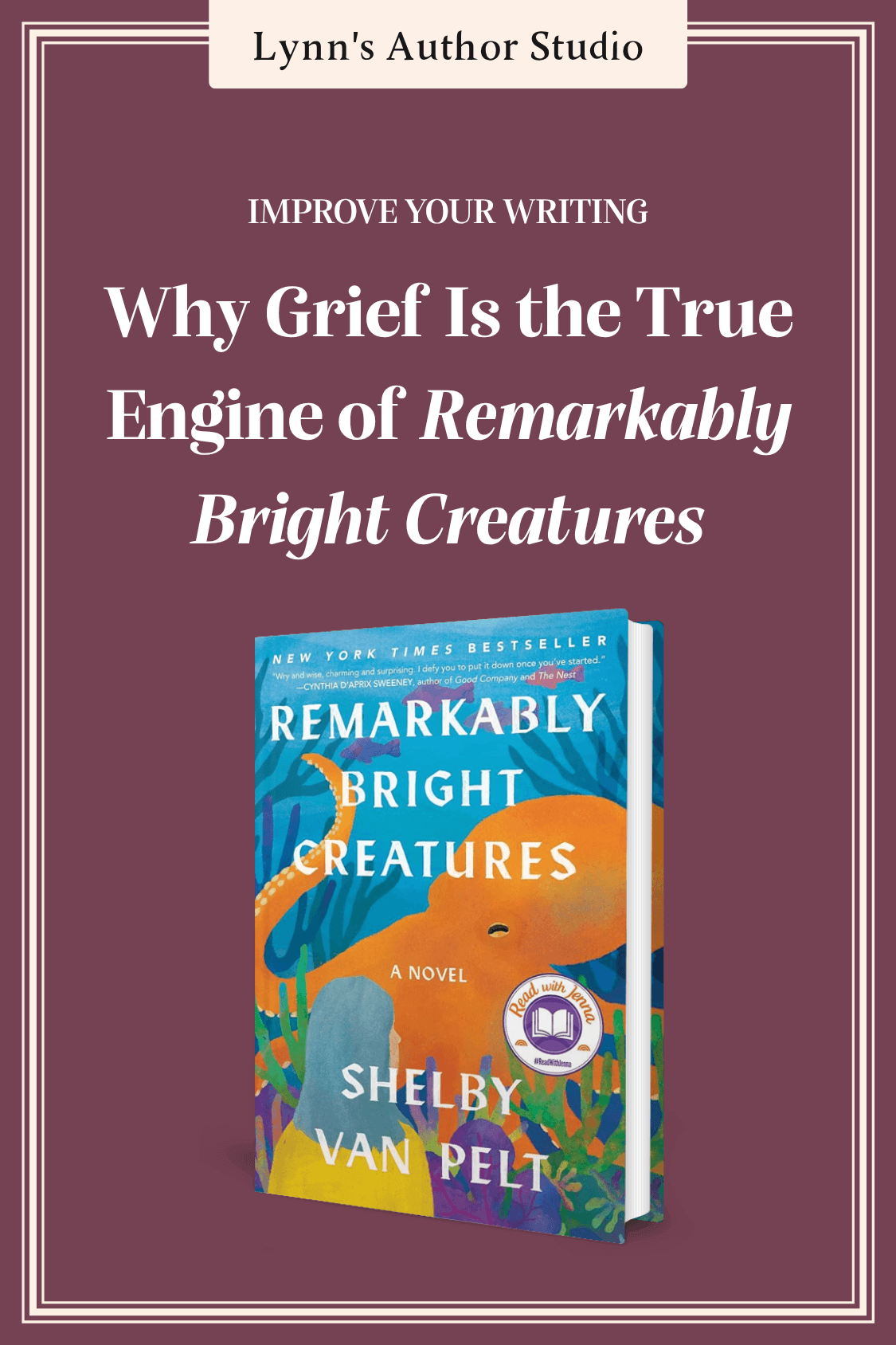
Remarkably Bright Creatures isn't a viral hit because of the octopus. It's a grief novel with a precise emotional engine. Here's what debut authors can learn from how Van Pelt built it.
What makes the Remarkably Bright Creatures cover design work? Break down 5 packaging lessons debut authors can use — from illustration choice to thumbnail performance.

How did "For fans of A Man Called Ove" help sell Remarkably Bright Creatures? Discover what comp titles really do — and how to find the right one for your debut novel.

Tom Felton broke publishing's silence on depression and imposter syndrome. Discover what author mental health struggles are normal—and why no one admits them.
How did Remarkably Bright Creatures go viral on BookTok — and what can debut authors actually control? Discover the real conditions behind the phenomenon.

Tom Felton controlled his narrative by sharing his story first. Learn why proactive transparency protects your author brand better than hiding or waiting.
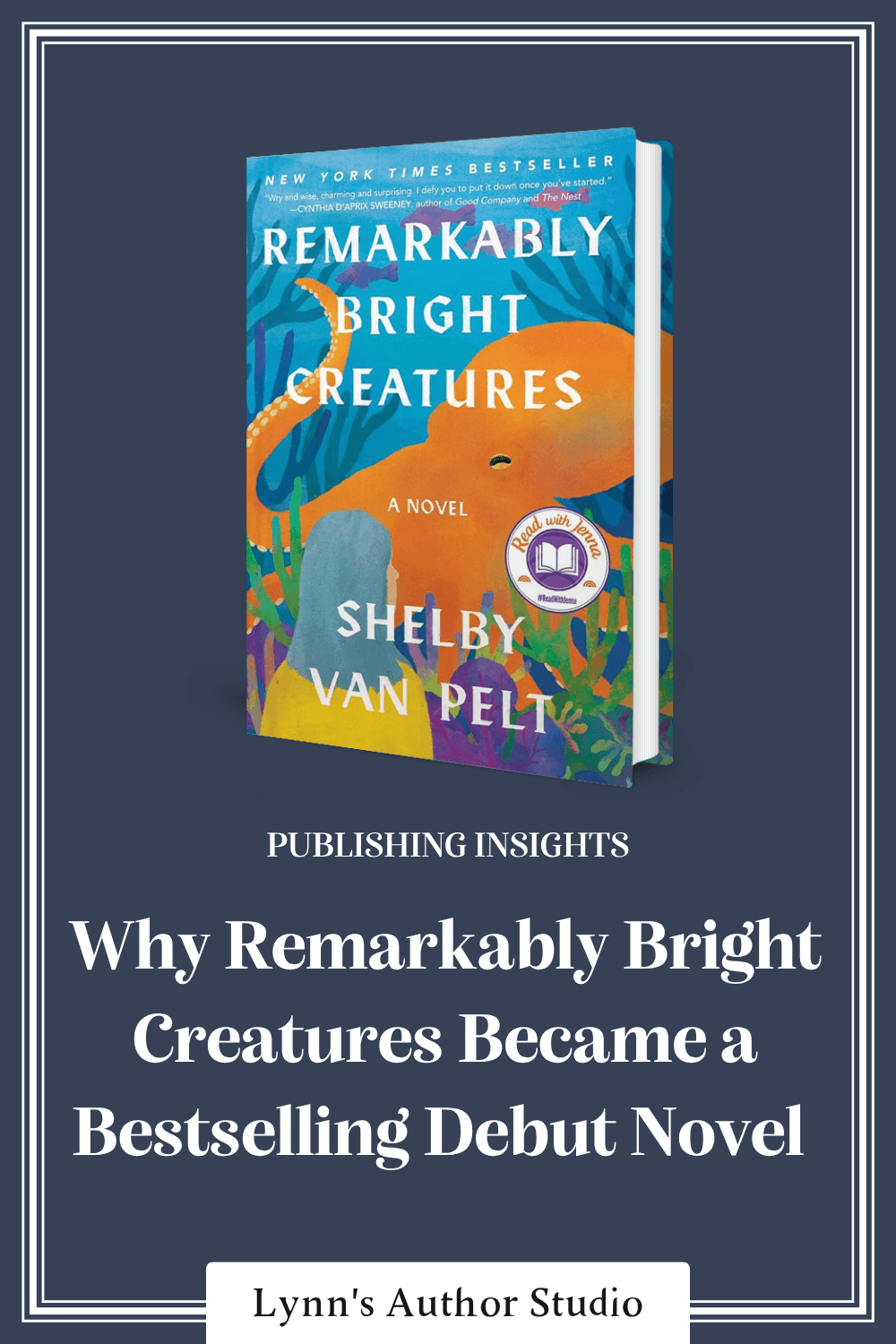
Why did Remarkably Bright Creatures become a bestselling debut novel? It wasn't just the octopus. Discover the real engines behind Shelby Van Pelt's breakout success — and what debut authors can learn from them.

Discover how Tom Felton writes about alcoholism and depression without melodrama. Master 5 memoir techniques for crafting honest, powerful dark material.