Navigating Publishing Industry Egos: How to Deal with Difficult Personalities Without Sabotaging Your Career

Article 5 of The Author's Emotional Toolkit Series
Navigating Publishing Industry Egos
Sarah had dreamed of working with her editor for months.
Six weeks into the editing process, her excitement had turned to dread.
Her editor dismissed every suggestion Sarah made, talked over her during phone calls, and demanded unilateral changes to her manuscript without discussion.
When Sarah tried to ask questions, her editor responded: "Trust me, I've been doing this a lot longer than you have."

Sarah felt trapped. This was her dream editor, her big break. But working with her was making Sarah question her own judgment and talent.
Just like all industries, the publishing world is full of difficult personalities you can't avoid.
In our previous articles, we've explored how to manage your own emotions, recognize near enemy behaviors in yourself, overcome imposter syndrome, and reset your emotional state when needed.
But emotional intelligence isn't just about managing yourself—it's about navigating other people's emotions, egos, and difficult behaviors.
After all, what happens when your career success depends on relationships with people who have oversized egos?
Today, you'll learn how to identify different types of difficult personalities in publishing and develop strategies for working with them—or protecting yourself from them—without sabotaging your career.
—> If you're new to this series, start with "The Complete Guide to Emotional Intelligence for Authors" to understand the foundation we're building on.

Part 1: The Power Dynamics Problem
Why This Matters Beyond Personal Comfort
Publishing relationships aren't just about getting along with people. They're about survival and opportunity in an industry where relationships determine everything.
The stakes are higher, because publishing is a “small world.”
One burned bridge can close doors across multiple publishing houses.
One positive relationship can open opportunities you never knew existed.
One toxic professional relationship can derail years of career progress.
So what happens when you're dealing with someone else's unchecked ego?
Unlike your own emotions, you can't control other people's behavior—you can only control your response.
The Power Dynamics Challenge

The biggest complication in dealing with difficult publishing personalities is power imbalance.
Difficult peer relationships, such as fellow authors or writing group members, offer more flexibility. You can set firm boundaries, limit interaction, or walk away entirely without major career consequences.
Difficult gatekeeper relationships, such as agents or publishing houses, require more strategic thinking. When people control access to opportunities and career advancement, setting boundaries becomes more difficult—and frankly, more frightening.
When someone controls access to your dreams, normal boundary-setting can feel like career suicide.
The emotional challenge is maintaining your integrity and mental health while not torpedoing opportunities that might never come again.
The goal isn't to become a doormat—it's to become strategically intelligent about when and how to protect yourself.
Some battles are worth fighting. Others are worth surviving.
Emotional intelligence helps you tell the difference.
How Power Imbalances Affect Your Options

When you're dealing with someone who has power over your career, your emotional responses become complicated by fear, hope, and financial pressure.
When someone controls your opportunities, their difficult behavior feels more threatening and your own emotions feel more dangerous.
You might find yourself second-guessing normal reactions, tolerating behavior you wouldn't accept from friends, or suppressing legitimate concerns because you're afraid of being labeled "difficult to work with."
This is where the emotional intelligence skills from our previous articles become crucial. You need to distinguish between your emotions (which are valid) and your actions (which should be strategic).
Part 2: Defining the Personality Landscape
Atlas of the Heart Definitions
Understanding the difference between these personality traits will help you choose the right response strategy in your career.
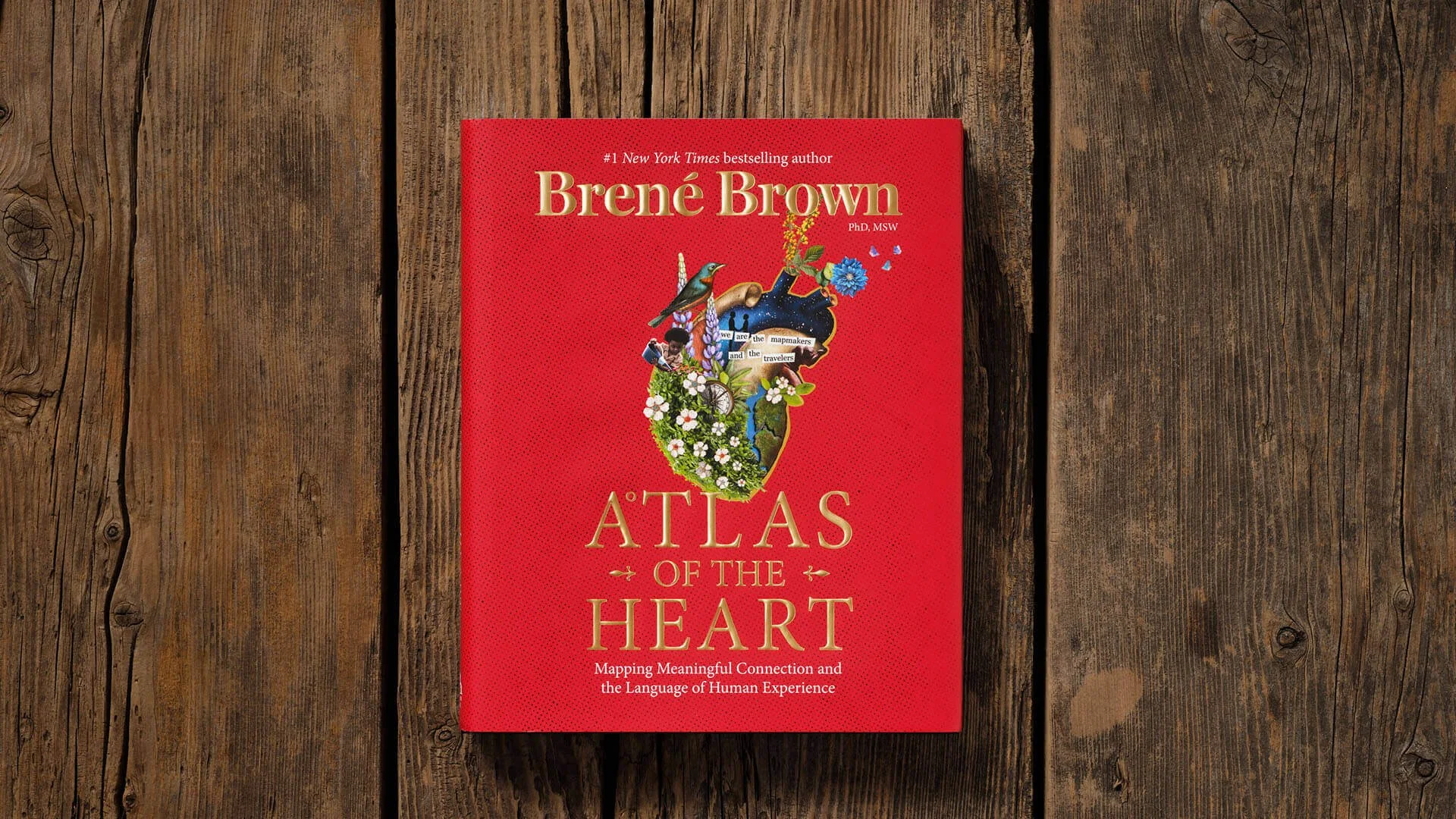
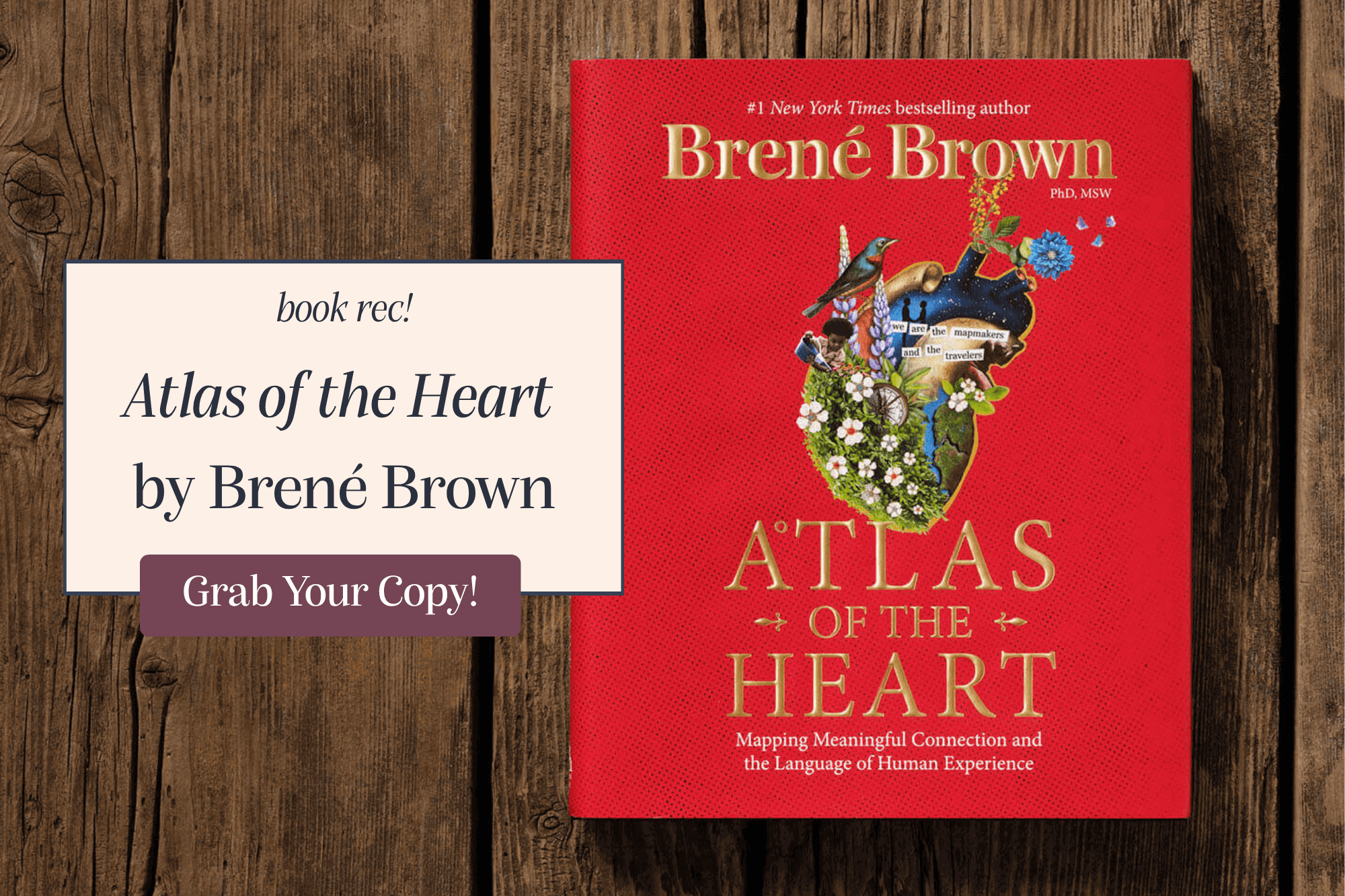
The categories below come from Brené Brown's "Atlas of the Heart," which maps 87 emotions and experiences with remarkable precision.
For authors, this book is invaluable—it provides the emotional vocabulary needed to understand both real people and fictional characters with much greater nuance.
Brown's research-based approach helps distinguish between emotions that can feel similar but are very different. I highly suggest you give her book a read - it’s one of my favorites!
Pride
Pride is a form of appropriate confidence and celebration in one’s achievements and abilities. It’s considered by experts to be a healthy emotion.
People who experience pride are confident in their abilities, but still open to feedback and growth. They can admit mistakes and learn from them.
Pride says "I'm good at this," not "I'm better than everyone."
In publishing, healthy pride looks like agents who are confident in their judgment but still consult with clients, or editors who take credit for their contributions while acknowledging the author's work.
Hubris
Hubris is excessive pride that blinds people to their limitations and makes them dismissive of others' input.

Hubris believes its own hype and stops listening to (and learning from) others.
Hubris says, "I can do no wrong" and "Rules don't apply to me." It’s not based on actual achievement, but on a need to have an inflated sense of importance.
In publishing, hubris might look like an agent who doesn't return calls because they're "too important" or an author who dismisses feedback from their seasoned editor after one successful book.
Humility
Humility involves an accurate assessment of both strengths and limitations. It’s not looking down on oneself, or being a doormat.
Humble people stay curious and open to learning.
They understand their expertise while recognizing they don't know everything. They can celebrate their achievements without putting others down.
Humility says "I'm skilled but still growing."
In publishing, humility looks like experienced professionals who mentor newcomers, successful authors who remain gracious with fans, or agents who explain their reasoning when passing on projects.
—> Don’t be fooled—imposter syndrome is not humility. Learn the difference and how to overcome it in “Overcoming Imposter Syndrome with Emotional Awareness.”
Narcissism
Narcissism is different from hubris—it's deeper, more manipulative, and less responsive to reason.
Narcissists need constant admiration and react poorly to criticism.
Narcissistic people have a grandiose sense of self-importance combined with a lack of empathy for others. Everything becomes about them and their needs.
Narcissism says, "I'm special and everyone should recognize it."
Narcissists need constant admiration and become angry or vindictive when they don't receive it. They manipulate situations to make themselves look good and others look bad.
In publishing, narcissism might look like someone who takes credit for others' ideas, spreads rumors about people who don't praise them sufficiently, or uses their position to humiliate or punish people.
Part 3: Navigation Strategies by Personality Type
Dealing with Hubris
Recognition Signs
People operating from hubris often dismiss feedback or suggestions from people they consider "lesser" in the industry hierarchy.
They talk more than they listen, especially about their own achievements.
They make decisions without consulting others who will be affected by those decisions. They often believe their success in one area makes them an expert in all areas.
They may interrupt frequently, dismiss concerns without consideration, or make pronouncements rather than having discussions.
Working with Hubris
We’ve all had to work with someone who is hubristic, regardless of our profession or industry. When faced with this, consider the following suggestions.

Appeal to their ego: Frame suggestions as ways to enhance their reputation. Instead of "This idea won't work," try "What if we enhanced this approach to really showcase your expertise?" Make them the hero of any solution you propose.
Give them ways to save face when they're wrong. Use "What if" questions instead of direct contradictions. "What if readers react differently than we expect?" feels less threatening than "Readers will hate this."
Find allies who can influence them when you can't. Sometimes a peer or superior can suggest the same idea you proposed and have it accepted. When necessary, enlist someone’s help.
When to Disengage
When they consistently ignore professional boundaries or make unilateral decisions that affect your work without consulting you.
If they're damaging your reputation or mental health.
When they demand you compromise your ethics or integrity to support their ego.
If working with them requires you to become someone you don't recognize.
If you find yourself lying, hiding information, or treating other people poorly to manage their ego.
Dealing with Narcissism
Recognition Signs

Conversations always circle back to them, their achievements, their problems, or their opinions.
They cannot handle any criticism, even constructive feedback.
They lack empathy for others' situations or feelings. They may acknowledge your problems intellectually but can't connect emotionally or offer genuine support.
They expect special treatment and become angry when they don't get it.
They manipulate situations to make themselves look good, often at others' expense. They may take others' ideas and present them as their own.
They take others' ideas and present them as their own.
They punish people who don't provide sufficient admiration through gossip, exclusion, or professional sabotage.
Working with Narcissism
When faced with working with a narcissist, consider the following suggestions.
Keep interactions brief and documentation detailed.
Never expect them to consider your perspective or needs. Structure interactions around what they want or how they benefit.
Give credit generously—they need the admiration to function.
Find ways to make your success beneficial to their image.
Frame your achievements as reflecting well on them: "Thanks to your guidance, I was able to..."
Gray rock method: Be boring and uninteresting to avoid becoming a target. Give minimal responses, don't share personal information, and avoid emotional reactions. When narcissists become bored, they usually move on.

When to Disengage
Narcissistic relationships are often more damaging than beneficial. Here’s when you know you need to make changes:
When they're actively undermining you or spreading false information about you to others.
If you find yourself constantly walking on eggshells around them.
When the emotional cost outweighs any career benefit. Your mental health and integrity are worth more than any single professional relationship.
Trust your gut: If something feels wrong, it probably is.
Narcissistic people are skilled at making you question your own perceptions. If you consistently feel confused, drained, or anxious after interactions with someone, trust that feeling.
Dealing with False Humility/Manipulation
Recognition Signs
Unsure if someone’s humility is real or a manipulation. When faced with this, look for the following:

They use self-deprecation to fish for compliments or manipulate others into doing their work.
"I'm just a nobody, but..." followed by strong opinions or demands.
They play victim when challenged or held accountable. Everything difficult that happens to them is someone else's fault.
They use "humility" to manipulate others into doing their work.
They engage in passive-aggressive behavior disguised as helplessness. "I guess I'm just not smart enough to understand" when they disagree with something.
They make others feel guilty for not helping or accommodating them.
They consistently fail to take responsibility for their commitments, mistakes, or professional obligations.
Working with False Humility
Don't take the bait—don't rush in to reassure or rescue.
Respond to their actual requests, not their emotional manipulation. If they say "I'm terrible at this," don't spend energy convincing them otherwise.
Set clear expectations and stick to them regardless of guilt trips.
Stay professional and document interactions. Focus on deliverables and deadlines, not feelings.
Be clear and firm in your communication. "The deadline is Friday" is more effective than "I know you're busy, but could you maybe try to..."

When to Disengage
When you realize you're doing their emotional labor in addition to your professional responsibilities.
If you're constantly managing their feelings instead of working.
When they consistently fail to take responsibility for their commitments and always have someone else to blame.
Red flag: You dread interactions that should be routine.
If checking email or answering their calls fills you with anxiety, the relationship has become toxic regardless of their intentions.
Part 4: Post-Interaction Decompression Routine
Celebrating Your Courage
First, acknowledge what you just did: You navigated a difficult professional situation.
Whether you set a boundary, survived a toxic interaction, or stood up for yourself, you demonstrated real courage.
Standing up for yourself, setting boundaries, or simply surviving a toxic interaction takes real courage.
Many people avoid difficult conversations entirely or compromise their integrity to avoid conflict. You chose to engage professionally even when it was emotionally challenging.
Give yourself credit for protecting your career and integrity simultaneously.
This balance isn't easy. You managed to advocate for yourself while maintaining professional relationships. That's a sophisticated skill that deserves recognition.
Energy Discharge Routine (When You Feel Activated/Shaky)

If you're feeling emotional, shaky, angry, or wired after a difficult interaction, your nervous system is in fight-or-flight mode and needs to discharge energy.
When this happens, take a vigorous 5-minute walk, do 20 jumping jacks, try wall push-ups, or literally shake out your arms and legs.
We want to move the energy through and out of your body rather than suppress it.
If you are unable to move around, try this breathing technique instead: Take a sharp inhale through your nose, then force a fast exhale through your mouth. Repeat 10 times. Let yourself make noise if it helps.
Your body builds up tension during your conversation—now help it release.
The goal is to physically discharge the stress hormones and nervous energy so they don't get stuck in your body.
Grounding Routine (When You Feel Shut Down/Dissociated)
If instead you feel numb, disconnected, or like you're floating outside your body, then your nervous system has protected you by shutting down.
Your nervous system protected you by numbing—now is time to gently reconnect.
First, use the 5-4-3-2-1 technique: Name 5 things you can see, 4 things you can touch, 3 things you can hear, 2 things you can smell, and 1 thing you can taste.
Next, try some gentle movement: slow neck rolls, shoulder shrugs, or light stretching. Hold a warm cup of tea or coffee, or place your hands on your heart to reconnect with physical sensations can also help.
The goal is coming back into your body safely.
Don't rush this process and don’t judge yourself. Your nervous system shut down for your protection. Thank it for doing a wonderful job, and reassure it that you're safe now.
Explore "10 Emotional Reset Rituals for Authors" for additional techniques that may be helpful after an intense encounter. (Coming Soon!)
Conclusions
Dealing with difficult personalities isn't about becoming tougher or developing thicker skin—it's about becoming more emotionally intelligent about human behavior and power dynamics.
You can't control their behavior, but you can control your response.
The people who thrive long-term in publishing aren't necessarily the most talented—they're the ones who understand how to navigate complex personalities and power structures without losing themselves.
Professional survival sometimes requires strategic emotional intelligence.
This doesn't mean becoming manipulative or fake.
It means understanding that different situations require different approaches, and that your integrity can be maintained even when your tactics change.

Your career is a marathon, not a sprint—act accordingly.
The agent who dismisses you today might represent you in five years. The editor who's difficult now might recommend you for opportunities later. The author who's competitive now might become a valuable ally.
Remember that every successful author has dealt with difficult personalities, survived toxic relationships, and learned to navigate industry politics.
You're not alone in this challenge, and developing these skills will serve you throughout your career.
Most importantly, never let someone else's difficult behavior convince you that you're not talented, worthy, or meant to be in publishing. Their ego problems are about them, not about you.
Now for something more fun—learn how to use these insights about personality types to create compelling characters in "Using Near vs Far Enemies for Character Development: How Emotional Nuance Creates Unforgettable Characters.” (Coming Soon!)
Not sure if your website positions you as someone worth working with?
Your emotional intelligence helps you navigate industry relationships—your website should do the same. I create author websites that signal the professionalism and maturity that makes agents want to work with you.