The Cat Prescription Method: Why One-Size-Fits-All Websites Fail Authors

Article 2 of The Cat Prescription Series
Part I: The Cat Prescription Method
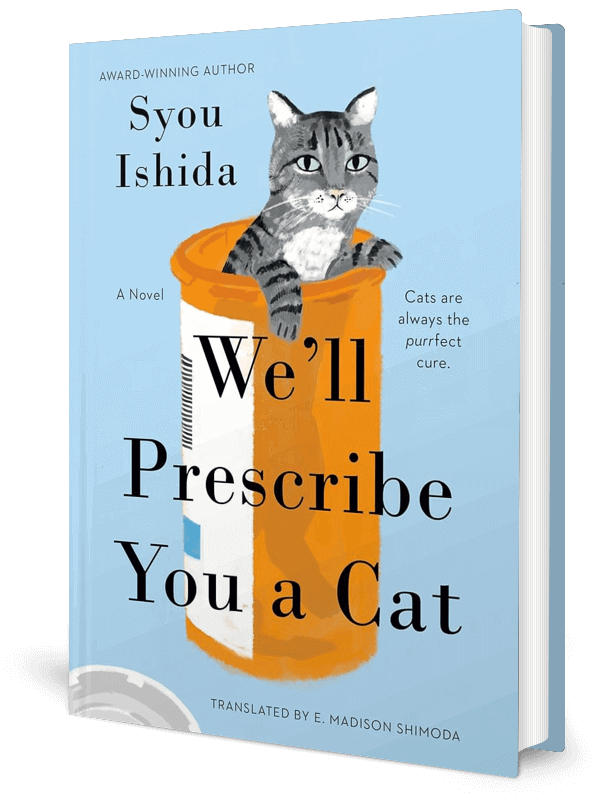
Back at the Kokoro Clinic, Dr. Kokoro never reaches for the same solution twice.
When a burned-out businessman walks through his door, he doesn't grab the first available cat from the back room. Instead, he carefully considers the patient's specific symptoms, personality, and life circumstances.
Then he selects the perfect feline match—perhaps a playful tabby who will force the businessman to rediscover joy, or a calm older cat who will teach him the value of slowing down.
As we explored in our previous post about author branding, your healing power is unique—and your website should be too.
Yet walk through the digital landscape of author websites, and you'll see the same mistake repeated thousands of times. Even authors who invest in custom website design end up with identical structures: Homepage, About, Books, Blog, Contact.
Every. Single. Time.
Just like every patient needs a different cat, every author needs a different website prescription.
The one-size-fits-all approach fails authors. Your readers aren't coming to your website because they love seeing the same website again and again.
They're coming because they have a specific problem that your books solve—and your website structure either helps or hinders that healing process.
→ Missed article 1 in The Author Prescription Series? Catch up here with Your Author Brand Isn't Your Genre—It's Your Healing Power.

The Custom Design Trap That Nobody Talks About
Here's what happens in 99% of custom author website design projects:
The designer says, "Great! Let's build you a beautiful custom website. You'll need a homepage, an about page, a books page, a blog, and a contact page. Maybe we'll add an events page too."
Sound familiar?
The author nods along because this sounds professional and complete. The designer creates stunning visuals, beautiful typography, and flawless functionality.
But underneath that gorgeous custom design lies the exact same structural skeleton as every other author website on the internet.
Even custom designers are prescribing the same basic treatment to every author, regardless of their specific business needs.

This cookie-cutter approach ignores the fundamental truth that different genres cultivate different types of relationships between authors and readers.
Literary fiction readers have completely different expectations than romantasy fans.
Debut authors need different website strategies than established authors with massive backlists.
The standard author website structure assumes every author wants to blog regularly, every reader wants extensive author information, and every author-reader relationship looks identical.
But some authors write slowly and prefer to focus on craft rather than content creation.
Some readers want deep fan engagement while others respect authorial distance.
Some authors need to build platform from scratch while others already have established audiences.
The one-size-fits-all structure serves none of these relationships well.
Part II: Reader-Author Relationship Types
Let's shift perspective.
Instead of asking "What pages should my author website have?" let's ask "What type of relationship do I want to build with my readers?"
Just like Dr. Kokoro matches different cats to different patients based on their personalities and needs, successful author websites match their structure to the ideal relationship between that specific author and their specific readers.
→ I’ll Prescribe You A Cat” is a masterclass on websites and magical realism. Explore Syou Ishida’s worldbuilding techniques in The Magic of Subtle Worldbuilding.

Relationship Type 1: The Craft-Focused Connection
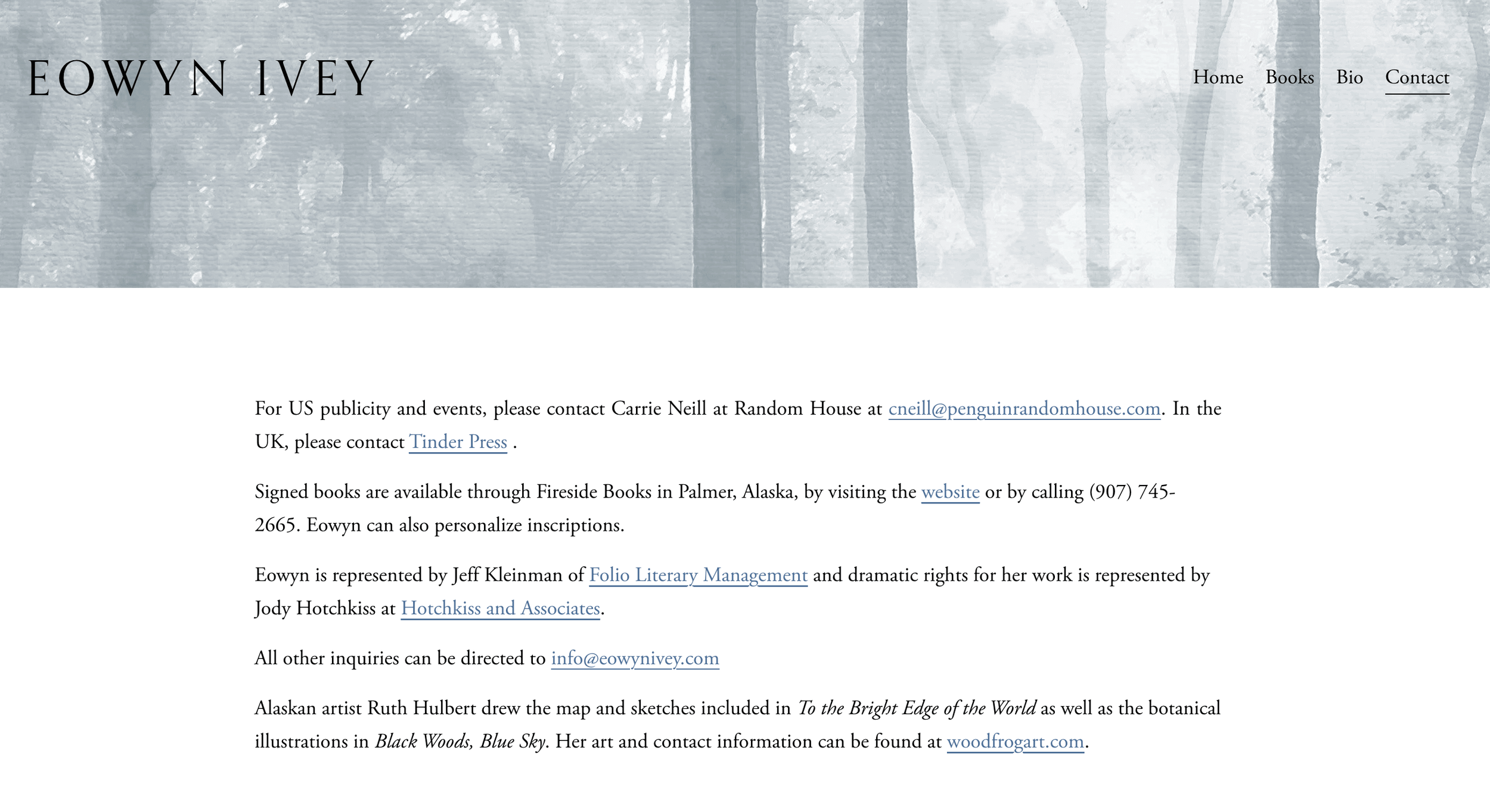
Consider Eowyn Ivey, who writes literary fiction that wins awards and takes years to craft.
Her readers understand that quality literature requires time and deep focus.
These readers don't want daily blog posts from their authors. They don't need behind-the-scenes content or personal updates.
They respect the artistic process and prefer their authors to spend time writing rather than creating marketing content.
Eowyn's website reflects this relationship perfectly:
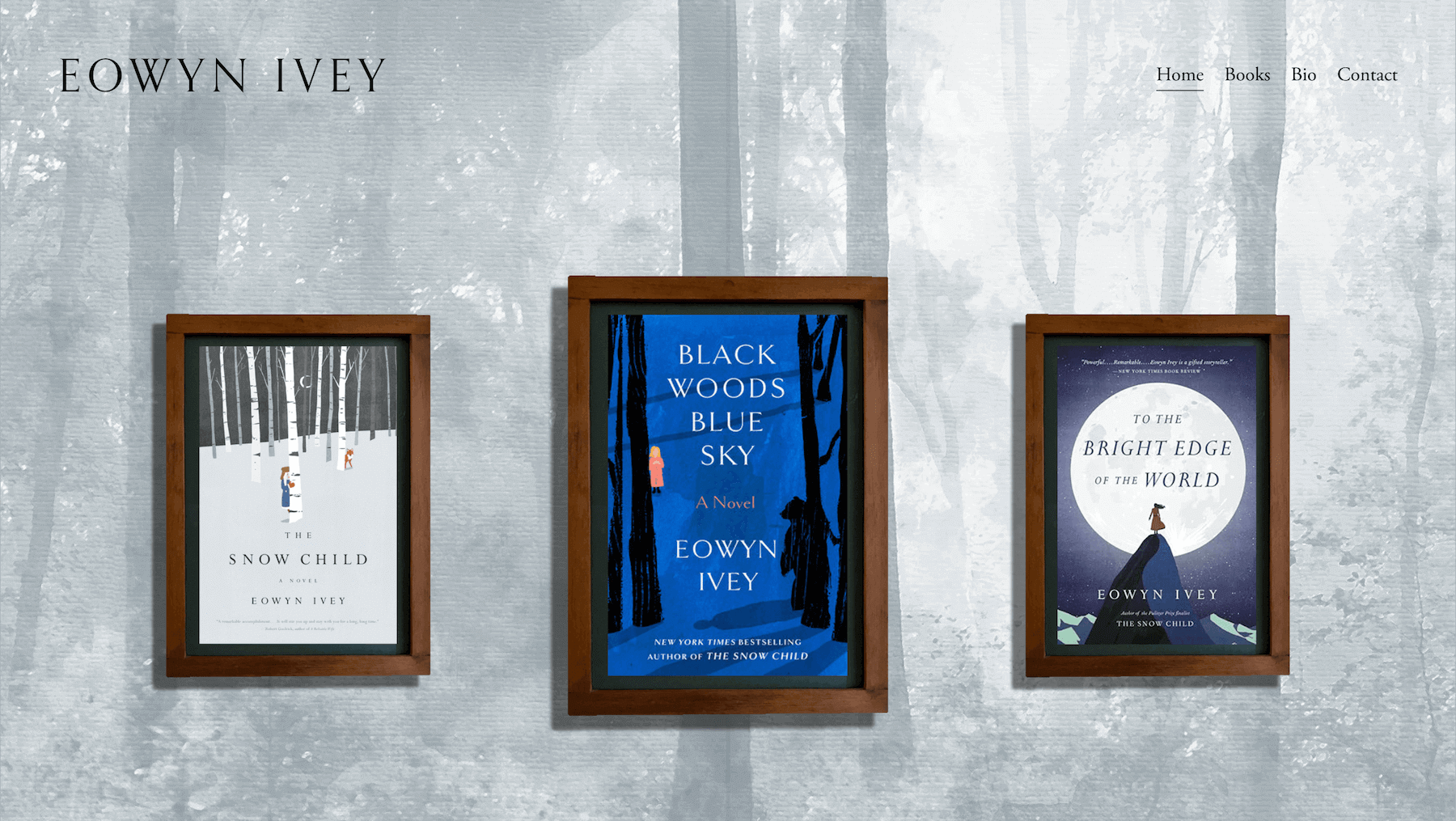
Clean, minimalist design that gets out of the way. Essential information presented efficiently. No blog demanding constant updates. No social media feeds creating pressure for daily content.
Her readers can find her books, understand her literary credentials, and make purchase decisions without needing extensive author engagement.
The website's restraint actually communicates respect for both the craft and the reader's intelligence.
Relationship Type 2: The Fan Engagement Connection

Now consider Sarah J. Maas.
Romantasy readers want to dive deep into fictional worlds and build personal connections with their favorite authors.
These readers crave extensive content.
They want reading guides, character details, behind-the-scenes insights, and ways to engage with both the author and other fans. They're willing to invest significant time exploring an author's digital world.
Sarah's website serves this relationship beautifully.
Comprehensive book information, FAQs, fan quizzes, a reading guide, and extensive author interaction opportunities. The website becomes a destination, not just a book catalog.
Relationship Type 3: The Platform-Building Connection

Next, consider Destiny Howell, a newer author looking to convert casual website visitors into lifetime fans while also building her broader creative platform.
Readers are still discovering her work, so they need quick access to essential information.
Who she is, what she writes, which book to start with, and where to buy it…but she also offers other creative work that helps readers discover her and builds her overall platform.
Destiny's website structure serves this relationship perfectly.
Her homepage contains all essential author information—no hunting through multiple pages required.
But she also has a dedicated page for her other creative endeavors like podcasting, which gives her additional ways to connect with potential fans.
New visitors can make quick purchase decisions from her homepage, while interested readers can explore her broader creative work to deepen their connection.
All Author-Reader Relationships Are Unique
The key insight is that your website structure should support your ideal reader-author relationship, not fight against it.
Just because Sarah J. Maas has an extensive website, it does not mean every romantasy author has to have one.
When building a healthy author-reader relationship, your needs and readers’ wants are balanced.
Perhaps your romance readers are hungry for more content, but your author personality is more in line with Eowyn Ivey’s. In that case, a simpler website is the best fit.
Authenticity always wins. What feels right for you will be right for your readers.
Think about it: if you exhaust yourself trying to create new content for your website out of obligation rather than excitement, that will have a negative impact on your writing.
Some writers are energized by creating content and engaging with readers. Some are not. Neither is right, neither is wrong.
The question is: does your website structure support the relationship YOU want to build with your readers?
→ A daily routine can improve your writing. Get ideas for yours in Finding Your Author Rhythm: The Healing Power of a Daily Writing Routine.
Part III: The Diagnostic Process
Finding Your Authentic Relationship Prescription
So how do you determine which reader-author relationship type serves both your authentic self and your readers' needs?
Just like Dr. Kokoro carefully evaluates each patient's personality before designing their treatment plan, you need to systematically analyze what will work for your unique situation.
Step 1: Assess Your Personal Energy and Communication Style

Start with brutal honesty about what energizes versus drains you.
Do you light up when creating behind-the-scenes content and engaging with readers?
Or do you prefer focusing your creative energy on writing itself?
Some authors genuinely love building fan communities and creating regular content. Others find extensive reader engagement overwhelming and prefer to let their books speak for themselves.
Neither approach is superior—they're just different, and your website should support your authentic communication style.
Step 2: Understand Your Genre's Relationship Norms (But Don't Feel Bound by Them)
Different genres have different relationship expectations, but these are guidelines, not rules.
Romance readers often expect author accessibility, but if you're a private person, you can still write romance with a more reserved author presence.
Fantasy readers might expect world-building content, but if you prefer focusing on writing your next book, minimalist approaches can work beautifully.
Understanding your genre's norms helps you make informed decisions about when to meet expectations and when to authentically diverge from them.
Step 3: Evaluate Your Current Life and Career Capacity

Be realistic about how much time and energy you can sustainably dedicate to website content and reader engagement.
Are you a full-time author or do you have a day job?
Do you have family obligations?
Are you naturally introverted or extroverted?
Do you have other creative projects competing for attention?
Your website structure should support your actual life, not create additional stress that ultimately hurts your writing.
Step 4: Find the Balance Point Between Your Needs and Reader Expectations
This is where the magic happens—finding the sweet spot where your authentic communication style meets your readers' core needs.
Maybe your romance readers want extensive engagement, but you prefer privacy.
You might choose a middle ground: personal author letters rather than daily social media, or detailed book content rather than behind-the-scenes lifestyle sharing.
Maybe your literary fiction readers expect authorial distance, but you actually enjoy engaging.
You might choose sophisticated, craft-focused content rather than complete minimalism.
Maybe your fantasy readers expect extensive bonus content, but you prefer channeling your creative energy into writing your next book.
You might choose a middle ground: rich book descriptions that satisfy world-building curiosity without requiring separate content creation.
Alternatively, you might try reader-generated content sections, such as a fan art section or a space where fans can share their own character analyses and world theories.
No matter what you decide, your website prescription should feel sustainable and exciting, not obligatory and draining.
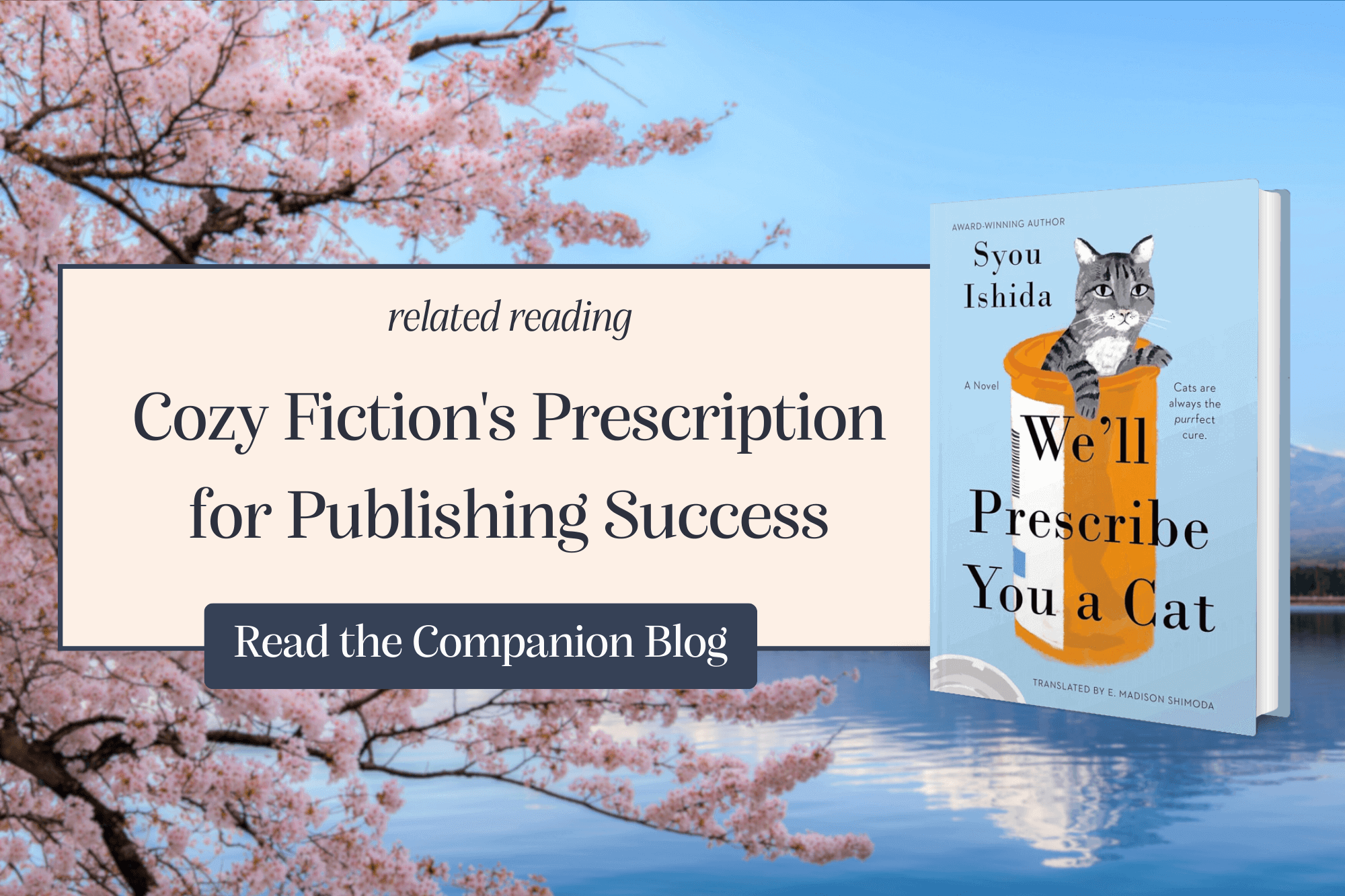
→ Are you a cozy fiction writer looking to connect with your readers? Learn more about the changes happening in your genre in Cozy Fiction’s Prescription for Publishing Success.
Authentic Relationship Prescriptions in Action
Let me show you how this balance between authenticity and reader service leads to completely different structural solutions.
The Authentic Craft-Focus: Eowyn Ivey's Choice

Eowyn's minimalist approach isn't just about genre conventions—it's an authentic choice that serves both her creative process and her readers' respect for literary craftsmanship.
Her structural prescription eliminates content obligations that would drain energy from her writing. No blog means no pressure for regular posts. Essential pages provide necessary information without oversharing personal details.
This works because her authentic preference for privacy aligns with her readers' respect for artistic focus.
When authors try to copy this approach without sharing Eowyn's genuine preference for minimal engagement, their website can feel cold or lazy rather than respectfully restrained.
The Authentic Fan-Builder: Sarah J. Maas's Energy
Sarah's comprehensive engagement isn't just about meeting genre expectations—it reflects her genuine enthusiasm for world-building and fan interaction.
Her structural prescription channels authentic excitement about reader engagement into sustainable systems. Detailed world content, fan quizzes, and reading guides serve readers who want to go deeper while utilizing her natural strengths.
This works because her authentic enjoyment of fan engagement aligns with her readers' desire for extensive content.
When authors try to copy this approach without sharing Sarah's genuine enthusiasm for content creation, they burn out quickly and readers sense the obligation rather than excitement. This lack of authenticity backfires and sours the author-reader relationship.
The Authentic Platform-Builder: Destiny Howell's Strategy

Destiny's dual-page approach reflects authentic excitement about both her books and her broader creative work, while acknowledging her current content limitations as a newer author.
Her structural prescription creates efficiency where needed (book information on homepage) while providing expansion space for other creative passions (dedicated page for additional projects).
This works because her authentic multi-creative interests align with her readers' openness to discovering her through multiple channels.
When authors try to copy this approach by forcing creative work that lies outside of their books, their focus becomes scattered. Not only does this negatively impact their novels, but the additional content fails to attract new fans because it lacks authentic excitement.
The Lesson?
Every structural choice should feel like a natural expression of your authentic author personality.
Readers can always tell authentic versus forced engagement.
When your website structure matches your genuine communication style and energy levels, maintaining it feels like a natural extension of your creative work rather than an additional marketing burden.
When your website and communication style are mismatched, the lack of authenticity will hinder any attempts to connect with your reader base.
Common Authentic Relationship Prescription Errors
Even authors who understand the principle of authenticity-focused website architecture often make predictable mistakes when implementing their relationship prescription.
Here are some common errors to watch out for.
The Genre Conformity Error

This author ignores their authentic communication style to copy what "successful authors in their genre" are doing.
The introverted romance author forces themselves to blog daily because other romance authors do it. The extroverted literary author maintains distant minimalism because that's the literary "standard."
Fighting your authentic communication style exhausts you and confuses readers who can sense when engagement feels forced.
The Reader-Pleasing Overextension Error
This author tries to meet every possible reader expectation rather than finding the balance point between authenticity and service.
They create extensive content despite preferring to focus on writing. They maintain complex engagement systems despite being naturally private. They say yes to every reader request despite limited capacity.
A website that demands more than your authentic self can provide serves no one well.
The Authenticity Excuse Error
This author uses "authenticity" to justify providing inadequate reader service or refusing to stretch beyond their comfort zone.
They claim they're "just not a marketing person" while providing no useful information about their books. They insist on extreme privacy and offer no way for interested readers to connect with their work.
Authenticity means being genuinely yourself within the bounds of serving your readers' actual needs. Sometimes, getting out of your comfort zone is not inauthenticity—it’s necessary growth.
The Static Authenticity Error

This author assumes their authentic communication style will never evolve and locks themselves into rigid approaches.
Your authentic relationship prescription should evolve as you grow and change, not constrain your natural development.
If your reader relationships begin to feel strained, it’s time to check in and see what aspects of your website and engagement need to be adjusted.
Part IV: The Professional Authenticity Advantage
At this point, you might be wondering whether you can diagnose and implement your own authentic relationship prescription, or whether you need professional help.
The honest answer depends on your ability to honestly assess your own communication style and create systems that support your authentic approach long-term.
Many website designers focus on copying successful examples rather than understanding what makes each author-reader relationship work authentically.
But professional author website design services that specialize in authenticity-based relationship strategy offer advantages that go beyond aesthetic design.

Just like the Kokoro Clinic's doctor understands that different patients need different cats based on their personalities, experienced relationship-focused designers understand how to match authors with their authentic engagement prescriptions.
Strategic designers ask about your genuine communication preferences and energy patterns before suggesting any website structure.
They want to understand what excites versus drains you, what feels natural versus forced, and what you can maintain long-term.
They've seen how different authentic approaches affect author sustainability and reader satisfaction.
They understand which structural choices support genuine engagement versus which create unsustainable obligations.
Most importantly, they can help you find balance points between authenticity and reader service that you might not discover on your own.
When evaluating professional author website design services, look for designers who spend significant time understanding your authentic communication style and personal capacity before proposing structural solutions.
Consider the investment perspective: your website structure should support your authentic creative life for years.
Getting your authenticity-reader service balance right from the beginning prevents burnout and builds genuine reader relationships.
Implementation Strategy
Whether you're implementing your authentic relationship prescription yourself or working with a professional, follow a systematic approach to ensure sustainable results.

Phase 1: Audit Current Structure
Evaluate every page and feature of your current website against your honest assessment of what you can maintain with genuine enthusiasm.
Which elements feel natural and energizing?
Which create obligation and drain?
Which serve readers well while supporting your authentic communication style?
Document specific areas where your current structure fights against your natural patterns, creates unsustainable demands, or feels constraining.
Phase 2: Identify High-Impact Authenticity Improvements
Focus on changes that will create the biggest improvement in both sustainability and reader service.
If you're burning out trying to maintain a blog you don't enjoy, retiring or removing it might improve both your writing focus and your readers' experience of your genuine communication.
If you love showcasing fan engagement but your current structure doesn't showcase that passion, consider adding a fan page or section on your website.
Start with 1-2 ideas for change, rather than looking to completely reinvent overnight. Taking on too much too fast can cause overwhelm. We’re looking to eliminate stress, not create it.
Phase 3: Plan for Sustainability
Look at your ideas and consider how much time they’ll take to implement consistently. If you’re looking at starting a blog or newsletter, how often do you want to commit? Once a week, once a month?
Avoid overcommitting to future capacity you can't predict. As an author, you live a busy life. Better to start slow and ramp up if it feels good, than overcommit and feel stuck creating more content.
Starting slow allows for natural development rather than jumping into the deep end and then feeling trapped by unsustainable expectations.
Phase 4: Test and Refine

Just because you had an idea for reader engagement, does not mean you’re stuck with it forever.
Monitor both reader response and your own energy levels. The perfect prescription should feel sustainable for you while serving your readers effectively.
Pay attention to what feels natural versus forced. Adjust based on what works in practice, not what you think should work in theory.
Sometimes a strategy can work well for years, then suddenly it doesn’t feel right anymore.
People grow and change. Your reader relationships can, too.
You’re not letting your readers down if you change or even scale back your engagement strategy. Keeping yourself mentally healthy and authentically engaged serves your reader base, too.
The Long-Term Authenticity Perspective
Like the perfect cat prescription, your website structure should feel inevitable—as if it was designed specifically for your authentic communication style and reader service goals.
When readers encounter your perfectly prescribed website, they should sense immediately that this feels genuinely like you.
They should feel comfortable with the engagement level because it reflects authentic enthusiasm rather than marketing obligation.
Your website becomes the natural beginning of relationships with readers who appreciate your authentic approach to author-reader connection.
That's the power of the right authenticity prescription: it transforms your website from a marketing burden into a natural expression of your creative identity that serves readers who genuinely connect with your authentic self.
→ Now that your brand foundation and website structure support your authentic reader relationships, let's dive into the craft itself. Learn how Syou Ishida creates a believable magical world through subtle details in, The Magic of Subtle Worldbuilding: Why Less is More in Magical Realism.
Ready to Find Your Perfect Website Prescription?
Like the Kokoro Clinic's doctor, I don't believe in one-size-fits-all solutions. I specialize in diagnosing your authentic communication style and prescribing website structures that feel natural to maintain while genuinely serving your readers. Let's create a website that transforms from marketing burden into a natural expression of your creative identity.